In This Article
Picture this: you’re cruising down the M25 on a crisp Saturday morning, wind rushing past, when suddenly your helmet shifts uncomfortably. That niggling pressure point above your ear has transformed into a full-blown headache, and you’re still 50 miles from home. Sound familiar? You’re not alone.
Getting the right helmet fit isn’t just about comfort—it’s literally a matter of life and death. According to research cited by the Royal Society for the Prevention of Accidents, wearing a properly fitted motorcycle helmet can increase your chances of surviving an accident by over 40% and reduce the risk of brain injuries by nearly 70%. Yet astonishingly, thousands of UK riders are still wearing incorrectly sized helmets without even realising it.
Here’s what many riders don’t grasp: a helmet that’s too loose can rotate or come off entirely during an impact, whilst one that’s too tight will cause distracting discomfort that compromises your concentration. Neither scenario is acceptable. This motorcycle helmet sizing guide will walk you through everything you need to know—from measuring your head circumference to identifying your head shape, understanding break-in periods, and spotting those telltale pressure points before they become problems. Whether you’re a complete beginner picking up your first lid or an experienced rider upgrading to the latest ECE 22.06-certified model, you’ll find practical advice that actually works in the real world of British riding conditions.
Quick Comparison Table: Helmet Size at a Glance
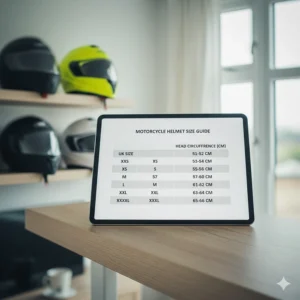
| Head Circumference | UK Size | EU Size | Hat Size | Common Head Shape |
|---|---|---|---|---|
| 53-54cm | XXS | 53-54 | 6⅝ – 6¾ | Long/Intermediate Oval |
| 55-56cm | XS | 55-56 | 6⅞ – 7 | Intermediate Oval |
| 57-58cm | S | 57-58 | 7⅛ – 7¼ | Intermediate/Round Oval |
| 59-60cm | M | 59-60 | 7⅜ – 7½ | Intermediate Oval |
| 61-62cm | L | 61-62 | 7⅝ – 7¾ | Intermediate/Round Oval |
| 63-64cm | XL | 63-64 | 7⅞ – 8 | Round Oval |
| 65+cm | XXL | 65+ | 8⅛+ | Round Oval |
💬 Just one click – help others make better buying decisions too! 😊
Top 7 Motorcycle Helmets: Expert Analysis for UK Riders
1. Bell Custom 500 – The Timeless Classic with Modern Safety
Available on Amazon.co.uk from £79.99-£189.99, the Bell Custom 500 represents outstanding value for riders seeking vintage aesthetics without compromising on contemporary safety standards. This iconic open-face helmet traces its lineage directly back to Bell’s original 1954 design, yet incorporates ECE 22.06 certification for complete UK road legality.
Key Specifications:
- Lightweight fibreglass composite shell (5 shell sizes)
- IONIC+ antibacterial padding with moisture management
- Weight: approximately 1,200 grams
- Integrated 5-snap pattern for aftermarket accessories
UK buyers consistently praise the Custom 500‘s comfortable fit after a proper break-in period. One Brighton-based rider noted the helmet “fits like a glove after the first week, gets compliments everywhere I ride.” The custom-quilted interior offers a plush feel whilst the multi-density EPS liner enhances energy absorption during impacts.
✅ Pros: Authentic retro styling, excellent build quality, widely available aftermarket accessories
✅ Five shell sizes ensure optimal fit across head sizes
✅ Both ECE and DOT certified for international versatility
❌ Cons: Heavier than some modern alternatives at 1.2kg
❌ No integrated sun visor (must purchase separately)
Best for: Café racer enthusiasts, urban commuters, and riders prioritising classic aesthetics with modern protection.
2. HJC C10 – ECE 22.06 on a Budget
The HJC C10 breaks new ground as one of the first ECE 22.06-certified helmets available under £100 on Amazon.co.uk (£89.99-£119.99). Korean manufacturer HJC has leveraged over 50 years of helmet-making expertise to deliver a polycarbonate full-face helmet that punches well above its price point.
Key Specifications:
- Advanced polycarbonate shell (multiple shell sizes)
- Advanced channelling ventilation system
- Quick-release visor mechanism
- Weight: approximately 1,400 grams
Testing by BikeSocial reviewers found the C10 impressively well-designed for budget-conscious riders, though it lacks the drop-down sun visor found on pricier models. The removable, washable comfort liner maintains freshness even through British summer commutes, whilst the double D-ring closure ensures secure retention.
✅ Pros: Outstanding value for ECE 22.06 certification
✅ Comfortable fit for extended riding sessions
✅ Good ventilation despite entry-level pricing
❌ Cons: No integrated sun visor
❌ Slightly heavier than premium alternatives
Best for: New riders, commuters on a budget, or those wanting a high-quality spare helmet.
3. Shoei GT-Air 3 – Premium Sport-Touring Excellence
For riders willing to invest in premium protection, the Shoei GT-Air 3 (£499.99-£599.99 on various UK retailers, limited Amazon availability) represents the pinnacle of sport-touring helmet design. This flagship model combines advanced safety features with touring-focused comfort elements.
Key Specifications:
- AIM+ shell (Advanced Integrated Matrix)
- Integrated drop-down sun shield with CWR-1 Pinlock-ready visor
- Micrometric ratchet fastener
- Weight: approximately 1,680 grams (Medium)
The GT-Air 3 excels in ventilation through its sophisticated inlet and outlet system. UK riders appreciate the helmet’s ability to handle everything from motorway slogs to spirited B-road carving whilst maintaining comfort. The internal sun shield deploys effortlessly—invaluable during those low autumn sun moments that catch every British rider out.
✅ Pros: Exceptional build quality and comfort
✅ Excellent noise reduction for long-distance riding
✅ Outstanding ventilation system
❌ Cons: Premium pricing
❌ Heavier than some competitors
Best for: Long-distance tourers, all-weather riders, and those prioritising maximum comfort.
4. HJC RPHA 12 – Race-Inspired Performance
The HJC RPHA 12 (£429.99-£499.99) brings MotoGP-derived technology to the street at a more accessible price point than comparable Shoei or Arai models. This Premium Integrated Matrix (PIM) shell helmet achieves an impressive balance between protection and weight reduction.
Key Specifications:
- Carbon/fibreglass/aramid PIM shell
- Emergency quick-release system
- RapidFire II shield replacement system
- Weight: approximately 1,495 grams (Medium)
Reviewers note the RPHA 12 as a decent sequel to its predecessor, maintaining HJC’s reputation for offering premium features at mid-range pricing. The aggressive styling appeals to sports bike riders, whilst the sophisticated ventilation keeps things comfortable even during spirited summer rides.
✅ Pros: Lightweight yet protective construction
✅ Excellent aerodynamics at higher speeds
✅ Wide range of graphic options
❌ Cons: Can feel slightly snug for round-headed riders
❌ Premium price point (though competitive in category)
Best for: Sports bike riders, track day enthusiasts, and performance-focused street riders.
5. AGV K3 SV – Italian Flair Meets MotoGP Heritage
AGV’s racing pedigree shines through in the K3 SV (£229.99-£299.99), a full-face helmet that brings MotoGP-inspired design to the street at an accessible price. The Italian manufacturer’s decades of experience protecting world champions translates into a helmet that balances style, safety, and affordability.
Key Specifications:
- Thermoplastic resin shell (2 shell sizes)
- Integrated ventilation with 5 front vents
- Ultravision visor with 190° horizontal visibility
- Weight: approximately 1,500 grams
UK riders value the K3 SV for its distinctive Italian styling and the confidence that comes from AGV’s race-proven heritage. The helmet’s wide field of vision proves particularly beneficial in British traffic conditions, where defensive riding requires constant situational awareness.
✅ Pros: Excellent visibility and field of view
✅ Strong AGV racing heritage
✅ Competitive mid-range pricing
❌ Cons: Only two shell sizes (less precise fit)
❌ Can be slightly noisy at motorway speeds
Best for: Style-conscious riders, sports bike owners, and those valuing Italian design.
6. LS2 Storm II – Feature-Packed Budget Option
The LS2 Storm II (£129.99-£159.99 on Amazon.co.uk) demonstrates that budget-friendly doesn’t mean feature-poor. This polycarbonate full-face helmet includes amenities often reserved for pricier models, including an integrated sun visor and Pinlock anti-fog insert.
Key Specifications:
- High-performance thermoplastic shell
- Integrated drop-down sun visor
- Pinlock Max Vision anti-fog system included
- Weight: approximately 1,550 grams
Testing revealed the Storm II offers good value with its sun shield and Pinlock insert, though some UK riders report ventilation could be improved for summer conditions. The helmet’s emergency release system and washable interior demonstrate LS2’s commitment to practical features.
✅ Pros: Excellent value with included Pinlock
✅ Integrated sun visor adds versatility
✅ Wide range of colours and graphics
❌ Cons: Ventilation can feel limited in hot weather
❌ Heavier than some premium alternatives
Best for: Budget-conscious riders wanting premium features, commuters, or those seeking a well-equipped spare helmet.
7. Arai Quantic – The ECE 22.06 Pioneer
The Arai Quantic holds the distinction of being the first helmet sold in the UK meeting the new ECE 22.06 standard, priced from £499.99-£599.99. This premium Japanese manufacturer continues its reputation for exceptional build quality and rider-focused design.
Key Specifications:
- Proprietary PB-SNC2 shell (5 shell sizes)
- Fully removable VAS (Variable Axis System) interior
- Extensive ventilation with 7 intake/4 exhaust vents
- Weight: approximately 1,600 grams (Medium)
The Quantic represents Arai’s philosophy of creating helmets that protect through innovative shell design rather than simply meeting minimum standards. UK riders investing in this premium lid report exceptional comfort during all-day touring sessions and confidence in its protective capabilities.
✅ Pros: Leading-edge ECE 22.06 certification
✅ Exceptional ventilation system
✅ Five shell sizes ensure precise fit
❌ Cons: Premium pricing
❌ Conservative styling may not appeal to all
Best for: Serious riders prioritising maximum protection, long-distance tourers, and those wanting the latest safety technology.
✨ Don’t Miss These Exclusive Deals!
🔍 Take your motorcycle safety to the next level with these carefully selected helmets. Click on any highlighted item to check current pricing and availability on Amazon.co.uk. These helmets will help you create authentic riding confidence your fellow bikers will notice!
Understanding Head Shapes: The Foundation of Proper Helmet Fit
Before you even think about measuring your head, you need to understand something crucial: not all heads are created equal. Your skull shape plays a more significant role in helmet comfort than most riders realise, and it’s why your mate’s favourite helmet might feel terrible on you.
The Three Primary Head Shapes
Long Oval This head shape is distinctly longer front-to-back (from forehead to the back of your skull) than side-to-side (ear to ear). If you’ve ever felt painful pressure on your temples or cheeks whilst the front and back of a helmet felt loose, you probably have a long oval head. Brands like Arai typically cater well to this shape.
Intermediate Oval The most common head shape in the UK, intermediate oval heads are slightly longer front-to-back than side-to-side. Most motorcycle helmets fall into this category as it’s the most common head shape, which is why they’re often the default if a manufacturer doesn’t specify shape compatibility. HJC, Bell, and Shoei generally design for this shape.
Round Oval Round oval heads are nearly equal in all dimensions, creating a more circular shape when viewed from above. If standard helmets create pressure at the front and back whilst feeling loose on the sides, you likely have a round head shape. AGV and some Shark models accommodate round heads particularly well.
Why Head Shape Matters More Than Size
Here’s the uncomfortable truth: wearing a size Large helmet designed for a long oval head when you have a round oval head—even if the circumference matches perfectly—will create painful hot spots that no amount of break-in time will fix. You’ll experience concentrated pressure in specific areas whilst other parts of the helmet float uselessly away from your skull.
This mismatch doesn’t just cause discomfort; it compromises safety. During an impact, a poorly shaped helmet can rotate excessively or even come off entirely. The protection you’ve paid for becomes virtually useless.
How to Measure Head for Helmet: Step-by-Step Circumference Measurement Technique
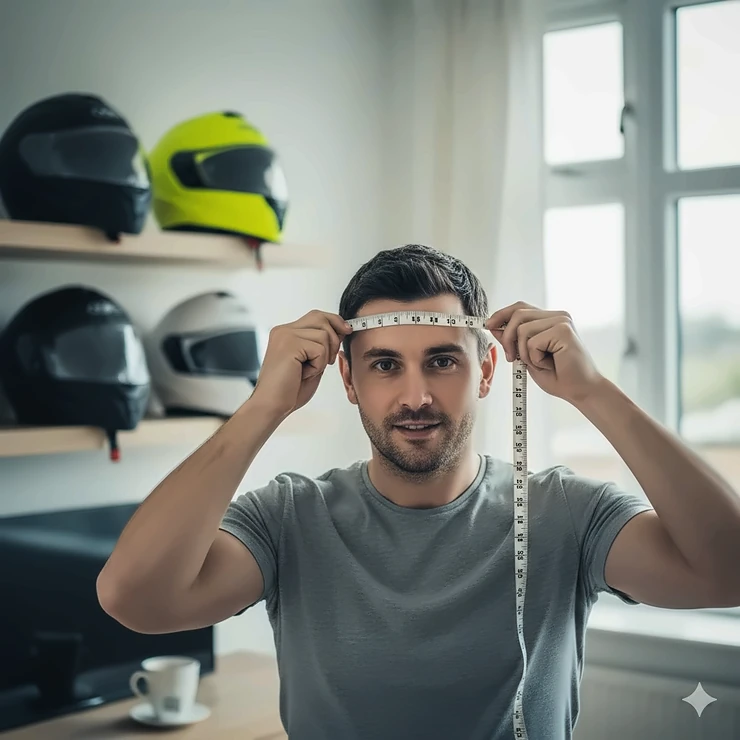
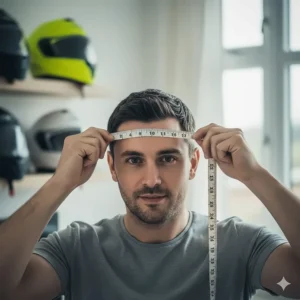
Measuring your head for a motorcycle helmet isn’t rocket science, but doing it properly makes all the difference between ordering the right size first time and enduring multiple returns. Grab a soft cloth measuring tape (or a non-stretchy piece of string and a ruler) and follow these steps carefully.
The Proper Measurement Method
- Position the Tape Correctly Wrap the measuring tape around the fullest part of the head—this will be just above the ears and about a half-inch above the eyebrows for most people. This isn’t arbitrary; it’s where your helmet will actually sit on your head.
- Ensure Level Placement The tape should run horizontally around your head, passing just above your ears and across the prominent bump at the back of your skull (the occipital bone). If the tape tilts up or down, your measurement will be inaccurate.
- Apply Proper Tension Pull the tape snug but not tight. You’re measuring bone structure, not trying to compress your skull. The tape should sit firmly against your head without digging in or leaving marks.
- Get Help if Possible Whilst you can measure yourself using a mirror, having a friend assist ensures the tape stays level and positioned correctly. It’s worth the minor inconvenience for an accurate reading.
- Measure Multiple Times Don’t trust a single measurement. Take at least three readings and use the largest one. Your head’s circumference can vary slightly depending on tape placement, so the largest measurement ensures you don’t order too small.
- Record in Centimetres Most helmet manufacturers use metric sizing, so note your measurement in centimetres. A typical adult male head measures between 57-60cm, whilst women typically measure 55-58cm, though individual variation is enormous.
Common Measurement Mistakes to Avoid
Measuring Over Hair If you have long hair, don’t measure over it in its normal style. Either measure with hair flattened or consider how you’ll wear it inside the helmet. That extra centimetre from a thick ponytail could lead you to order a size too large.
Using an Inflexible Tape A rigid tape measure won’t conform to your head’s shape, leading to inaccurate readings. Invest £2 in a proper soft measuring tape—it’s worth it.
Measuring When Rushed Take your time. Rushing this process almost guarantees you’ll order the wrong size, leading to expensive returns and delays.
Choosing Correct Helmet Size: Interpreting Size Charts Accurately
You’ve measured your head carefully and have a precise circumference figure. Job done, right? Not quite. This is where many riders go wrong because they treat all size charts as universal standards. They’re absolutely not.
Why Manufacturer Size Charts Vary
Each manufacturer has sizing which is specific to its own models, so only rely on the size chart produced for the motorcycle helmet being considered. Some variance occurs even between different models from the same manufacturer. A size Medium HJC C10 might fit differently than a size Medium HJC RPHA 12, despite coming from the same company.
This isn’t manufacturers being deliberately awkward; it’s because different helmet designs require different internal volumes. A race-focused helmet with minimal padding might size differently than a touring helmet with plush comfort liners.
Reading Size Charts: The Details Matter
When you look at a manufacturer’s size chart, you’ll typically see:
- Hat size equivalents (6⅞, 7⅛, etc.)
- Measurements in both centimetres and inches
- Sometimes EU numeric sizing (55, 56, 57, etc.)
UK-Specific Considerations Most helmets sold in the UK use European sizing conventions. A 58cm measurement typically corresponds to a Medium, but always verify against the specific helmet’s chart. British retailers increasingly list both metric and imperial measurements, though metric remains standard.
The Between-Sizes Dilemma
What if your measurement falls exactly between two sizes? If it easily fits [a finger between the helmet interior and head], try a smaller size. Most experts recommend sizing down when between sizes because helmets will break in and loosen slightly with wear.
However, there’s a critical exception: if sizing down creates painful pressure points, size up instead. A helmet that’s slightly loose can be improved with thicker cheek pads; a helmet that’s crushing your skull cannot be made larger.
Helmet Fit Guide Beginners: Testing Your Helmet’s Fit Properly
You’ve ordered a helmet based on careful measurements and manufacturer recommendations. It’s arrived, and now comes the crucial moment: does it actually fit? Testing fit properly requires more than just putting the helmet on and looking in a mirror.
Initial Fit Assessment
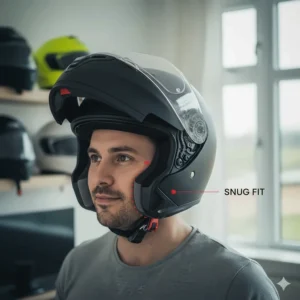
The First Impression When a new helmet is first worn, it should actually be slightly tight, with the interior coming into contact with most of the head. If you can put the helmet on effortlessly without any resistance, it’s probably too large. A proper-fitting new helmet requires gentle but firm pressure to get on.
The Cheek Test With the helmet on, your cheeks should be gently compressed. You should be able to speak clearly but notice your cheeks pushing inward slightly. If you can fit more than one finger between the cheek pads and your face, the helmet’s too large.
The Pressure Point Check Close your eyes and focus on how the helmet feels against your skull. There should be no “hot spots”—places where the helmet’s interior puts pressure on specific points of the skull or face. Any sharp, localised pain indicates either wrong sizing or incompatible head shape.
Dynamic Fit Tests
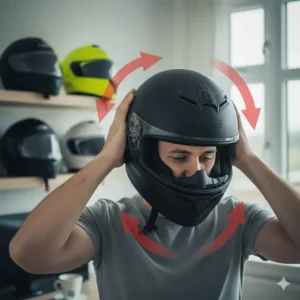
The Shake Test With the chin strap unfastened, lean forward and shake your head vigorously side to side. The helmet should move with your head as a single unit. If it shifts independently or feels like it might come off, it’s too large.
The Roll Test Place both hands on the helmet’s sides and try to rotate it forwards and backwards. You should be able to move the scalp skin, but the helmet shouldn’t rotate excessively on your head. Minimal movement is acceptable; significant rotation indicates poor fit.
The Chin Strap Test Fasten the chin strap (it should allow only one or two fingers between strap and chin) and try to roll the helmet off from the back by pushing up under the chin bar. A properly fitted helmet with a correctly adjusted strap should resist removal.
The 30-Minute Wear Test
This is the test most riders skip—and the one that matters most. Wear the helmet for at least half an hour whilst sitting comfortably, preferably watching TV or reading. A helmet that feels fine for five minutes might reveal discomfort after extended wear.
During this test, note:
- Any developing pressure points
- Whether your ears fold uncomfortably
- If the padding causes any numbness
- Whether the weight feels balanced
If you experience increasing discomfort rather than adjustment, the helmet likely isn’t right for you, regardless of what the size chart suggested.
Break-In Period Expectations: What Changes and What Doesn’t
New riders often make one of two mistakes: they either expect a helmet to fit perfectly immediately, or they assume that extreme discomfort will magically resolve during the mythical “break-in period.” The truth lies somewhere in between, and understanding realistic expectations prevents costly mistakes.
What Actually Changes During Break-In
Foam Compression With time, a helmet adjusts to match the shape of the rider’s head as it is worn. The EPS (Expanded Polystyrene) liner and comfort padding gradually compress where they contact your head most, creating a customised fit. This process typically takes 15-30 hours of riding time.
Material Softening The interior fabrics soften slightly with use and moisture from your scalp. This minor change can make a marginally tight helmet more comfortable, but we’re talking millimetres of difference, not centimetres.
Realistic Timeline Most helmets complete 80% of their break-in within the first month of regular use (assuming you ride at least several times weekly). The remaining changes occur gradually over the helmet’s lifetime but become increasingly subtle.
What Doesn’t Change
Shell Size The rigid outer shell won’t expand. If the helmet feels like it’s crushing your skull because it’s physically too small for your head shape, break-in won’t fix this. The shell dimension is fixed.
Head Shape Compatibility A helmet designed for a long oval head won’t magically become suitable for a round oval head, no matter how long you wear it. The fundamental shape mismatch will persist and likely worsen as the padding compresses in the wrong areas.
Severe Pressure Points Sharp, painful pressure on specific points of your skull indicates structural incompatibility. This won’t improve with wear—it’ll just damage the padding in those areas whilst causing you considerable discomfort.
Break-In Best Practices
To optimise your helmet’s break-in:
- Wear it regularly rather than sporadically
- Start with shorter rides and gradually increase duration
- Don’t over-tighten the chin strap initially
- Allow the helmet to dry naturally between uses
- Consider replacing cheek pads if needed after break-in
From January 2024, helmet manufacturers can only get approval for new designs which comply with UN ECE R22-06, and these modern helmets often feature improved comfort padding that breaks in more predictably than older designs.
Pressure Point Identification: Solving Common Fit Problems
Even with careful measurement and proper sizing, many riders experience pressure points that make riding uncomfortable or even painful. Learning to identify the source and solution for these problems separates comfortable riders from those who dread longer journeys.
Common Pressure Point Locations
Temple Pressure Concentrated pain at the temples typically indicates either a helmet designed for a longer head shape than yours, or cheek pads that are too thick. This is one of the most common complaints and fortunately one of the most solvable—many manufacturers sell thinner cheek pad sets.
Forehead Pain A band of pressure across the forehead suggests the helmet’s internal shape doesn’t match your head’s front-to-back dimension. Sometimes this resolves during break-in, but persistent forehead pain usually means wrong head shape compatibility. According to SHARP’s official guidance, proper helmet fit is crucial for the protection ratings to be meaningful.
Crown Pressure Pain at the top of your head indicates either insufficient internal height or improperly adjusted crown padding. Check if your helmet model allows crown pad adjustment before assuming it’s the wrong size.
Ear Discomfort Folded or compressed ears are a sizing issue, not something that improves with break-in. Your ears should sit naturally in the ear pockets without bending. Different manufacturers position these pockets differently, so trying alternative brands often helps.
Solutions That Actually Work
Adjustable Padding Many modern helmets offer interchangeable cheek pads and crown padding in various thicknesses. If your helmet feels slightly loose in some areas but perfect elsewhere, different padding combinations might create the ideal fit.
Professional Fitting UK motorcycle retailers increasingly offer professional helmet fitting services. Technicians experienced with multiple brands can often identify subtle fit issues you’d miss and recommend solutions or alternative models.
Manufacturer-Specific Features Some manufacturers include fit customisation systems. For example, Alpinestars’ A-Head system allows vertical and fore-aft adjustment, whilst Arai’s VAS (Variable Axis System) permits extensive internal modification.
When to Admit Defeat
Sometimes a helmet simply isn’t right for you. If you experience:
- Persistent pain after 30 days of regular use
- Vision problems due to helmet positioning
- Neck strain from excessive weight in your specific helmet/head combination
- Inability to achieve secure retention without discomfort
…it’s time to try a different model or manufacturer, regardless of how much you love the graphics or how good the price was.
UK Helmet Safety Standards: ECE 22.06 vs ECE 22.05 Explained
Understanding UK motorcycle helmet regulations isn’t just about legality—it’s about knowing what protection you’re actually buying. With the new ECE R22-06 standard now mandatory for new helmet designs from January 2024, riders need to understand what’s changed and whether their existing helmets remain legal.
What ECE Certification Means
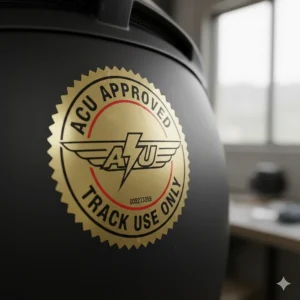
The Economic Commission for Europe (ECE) sets the safety standards that all motorcycle helmets sold in the UK must meet. Despite the European-sounding name, ECE does not mean this is a European only standard; it is a global standard set by the UN, so Brexit hasn’t affected these requirements.
ECE 22.05: The Previous Standard
Implemented in 2005, ECE 22.05 served UK riders for nearly two decades. ECE 22.05 helmets are still perfectly legal on UK roads, so don’t panic if your current helmet bears this marking. You can continue using it safely and legally.
ECE 22.06: The New Benchmark
The new tests that helmets have to pass are more akin to real-world accidents and take into account the different types of injuries sustained in both high-speed crashes and low-speed tumbles. Key improvements include:
Enhanced Impact Testing ECE 22.06 introduces oblique impact testing, which simulates the rotational forces your brain experiences when your helmet strikes an object at an angle. Previous standards only tested straight-on impacts, despite angled impacts being far more common in real accidents.
Multiple Impact Speeds Impact speeds include 6.0m/s, 7.5m/s and 8.2m/s (8.5m/s for the oblique test) to cover a range of lower and higher speed impacts, providing more comprehensive protection across various accident scenarios.
Stricter Visor Requirements New for 22.06 is the impact testing of visors to ensure they can resist penetration. A 6mm steel ball fired at 80m/s (180mph) at the visor must not penetrate through, and if the visor breaks, it shouldn’t shatter into dangerous shards.
Functional Ventilation Under ECE 22.06 regulations, vents must be effective in acting as vents, not just decorative elements. This ensures the ventilation you’re paying for actually works.
Hearing Protection Balance Helmets cannot dangerously affect the wearer’s ability to hear, which means you’ll never find a truly silent ECE 22.06 helmet. This ensures riders maintain situational awareness through auditory cues.
UK Legal Requirements
To be considered roadworthy, a motorcycle helmet must meet specific safety standards: either British Standard (BS6658:1985) and carry the BSI Kitemark, or meet the UNECE Regulation 22.06 standard. The GOV.UK official guidance on motorcycle equipment confirms these legal requirements for UK riders. In practice, virtually all modern helmets sold through reputable UK retailers meet ECE standards.
Riding without a legal helmet in the UK carries penalties of up to £500, but more importantly, it can impact insurance claims and be considered contributory negligence in the event of an accident.
SHARP Rating System
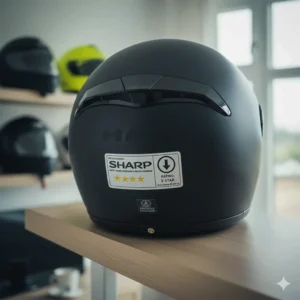
Beyond mandatory ECE certification, the UK government operates the SHARP (Safety Helmet Assessment and Rating Programme) testing scheme, which provides independent safety ratings from 1 to 5 stars. This voluntary testing goes beyond minimum requirements and helps riders make informed choices about relative helmet safety. The NHS provides guidance on preventing motorcycle injuries that emphasises the critical role of properly fitted safety equipment.
Helmet Types and Sizing Differences
Different helmet styles can fit differently even when they’re the same size on paper. Understanding these variations helps you set realistic expectations when switching between helmet types.
Full-Face Helmets
The most popular choice among UK riders, full-face helmets provide complete head and face protection. Their enclosed design means sizing is most critical around the cheeks and chin bar area. A full-face that’s too large will allow excessive movement, whilst one that’s too small creates painful pressure on your jaw.
Most manufacturers design full-face helmets for intermediate oval heads, making them the easiest style to fit for most UK riders. Expect slight visibility restrictions compared to open-face designs, but superior protection and weather resistance for British riding conditions.
Modular (Flip-Up) Helmets
Modular helmets typically run slightly larger than equivalent full-face models from the same manufacturer due to their hinged chin bar mechanism. The additional hardware adds weight, particularly at the front, which can make a poorly fitted modular feel unbalanced.
Even with ECE testing in place, a modular will only be legal to ride with as a full-face helmet according to the new regulations, so don’t rely on the open-face configuration for primary use despite the convenience it offers at petrol stations.
Open-Face (Jet) Helmets
Open-face helmets typically feel more forgiving in sizing because they lack the chin bar that causes fit issues in full-face designs. However, this doesn’t mean sizing is less important—a loose open-face helmet is even more likely to come off during an impact than a poorly fitted full-face.
Pay particular attention to how the helmet grips the sides of your head. The comfort liner should create gentle but firm contact around your entire skull, not just rest on top of your head.
Adventure Helmets
Adventure lids often incorporate visors (peaks) that can create aerodynamic forces during riding. These helmets need particularly secure fitting because the visor acts like a sail at speed, trying to lift the helmet. Size carefully and ensure the retention system provides solid anchoring.
Adventure helmets typically accommodate glasses wearers better than race-focused designs, with extra clearance around the temples. This makes them popular for commuting even amongst riders who never venture off tarmac.
Special Fitting Considerations for UK Riders
British riding conditions create unique requirements that affect helmet selection and sizing beyond the basics covered by manufacturers’ generic guidance.
All-Weather Performance
Unlike our European neighbours who can rely on predictable riding seasons, UK motorcyclists face “four seasons in one day” conditions. Your helmet needs to perform in torrential rain, scorching sun (occasionally!), and biting cold—sometimes within the same journey.
Consider how your head size might vary with temperature. Some riders find their heads slightly swell during hot summer rides, making a helmet that fits perfectly in February feel tight in July. If you’re between sizes and ride year-round, the larger size might prove more versatile.
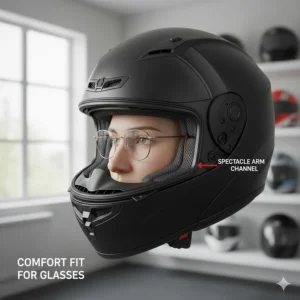
Glasses Compatibility
According to recent surveys, approximately 40% of UK motorcyclists wear glasses whilst riding. If you’re among them, helmet fit becomes exponentially more complicated. The temples of your glasses create additional pressure points, and many helmets simply don’t accommodate spectacles properly.
When trying helmets with glasses:
- Put your glasses on before donning the helmet
- Check for pressure on your temples
- Ensure the cheek pads don’t force your glasses uncomfortably into your face
- Verify you can remove the helmet without your glasses being ripped off
Some manufacturers design specific glasses-friendly features, including wider temple channels and softer cheek pad materials in the ear area.
Communication Systems
Modern riders increasingly use Bluetooth communication systems, and these devices affect helmet fit. The speakers sit precisely where your ears go, and some communication units add bulk to the helmet’s exterior that can catch wind.
If you plan to install a comm system, try the helmet with the system fitted if possible. Some helmet manufacturers now design models with recessed speaker pockets and communication system mounting points, ensuring the device integrates seamlessly without compromising fit.
Hair Considerations
Long hair, dreadlocks, or voluminous hairstyles significantly affect helmet sizing. If you have hair longer than shoulder-length, consider how you’ll wear it whilst riding. A ponytail might require a size larger than your measurements suggest, whilst wearing hair loose inside the helmet might work with your measured size.
Similarly, riders who frequently change hairstyles (particularly those who sometimes shave their heads and sometimes grow hair out) might need to account for these variations in their sizing choice.
Common Helmet Sizing Mistakes and How to Avoid Them
Even experienced riders occasionally make sizing errors that compromise safety and comfort. Learning from others’ mistakes saves you time, money, and potential headaches—both literal and figurative.
Mistake 1: Trusting “Universal” Sizing
Perhaps the most dangerous assumption riders make is that helmet sizes work like clothing sizes. A Medium is a Medium, right? Absolutely wrong. One head that measures 58cm can be very different to another, and different manufacturers’ Medium helmets can vary by centimetres in their actual dimensions.
Solution: Always measure your head and check the specific helmet model’s size chart. Never assume your size based on previous helmets, even from the same manufacturer.
Mistake 2: Ordering Based on Clothing Size
“I wear Large t-shirts, so I probably need a Large helmet.” This logic leads countless riders to order the wrong size. Your head size has no correlation whatsoever with your clothing size. A 6-foot tall, 16-stone rider might need an XS helmet, whilst a 5-foot-6 rider might require XXL.
Solution: Measure your head circumference objectively and trust the numbers, not assumptions based on other garments.
Mistake 3: Ignoring Break-In Period Guidance
Some riders order too large, expecting the helmet to somehow shrink to fit. Others accept painful pressure points, convinced the helmet will magically expand. Both approaches compromise safety.
Solution: A new helmet should feel snug but not painful. If it easily fits [a finger between helmet and head], try a smaller size. Expect slight loosening during break-in, but don’t count on dramatic changes.
Mistake 4: Prioritising Graphics Over Fit
That Marc Márquez replica helmet looks incredible, but if it’s designed for a head shape different from yours, you’ll regret the purchase. Style should never trump fit.
Solution: Find your correct size and head shape compatibility first, then choose among helmets that actually fit you properly. Many models offer multiple graphic options, so you needn’t sacrifice style entirely.
Mistake 5: Skipping the Dynamic Fit Tests
Trying a helmet on whilst standing still in a shop tells you almost nothing about how it’ll perform during actual riding. Wind pressure, vibration, and head movements all affect fit.
Solution: Perform the shake test, roll test, and ideally a test ride (many dealers allow this for premium helmets). Spend time wearing the helmet in a riding position, not just standing upright.
Mistake 6: Buying Online Without Return Policy Confirmation
The internet offers fantastic helmet prices, but buying from sellers without clear return policies is risky. If the helmet doesn’t fit, you’re potentially stuck with an expensive paperweight.
Solution: Only purchase from retailers offering free returns on unworn helmets with tags attached. Verify the return window allows adequate testing time—preferably at least 14 days under UK Distance Selling Regulations.
Maintaining Proper Fit Throughout Your Helmet’s Life
A helmet that fits perfectly when new won’t necessarily maintain that fit throughout its service life. Understanding how to preserve optimal fit extends both your helmet’s usable lifetime and your comfort.
Normal Wear Patterns
Interior padding compresses through normal use, with the most contact areas (typically cheeks and forehead) experiencing the greatest change. After 12-18 months of regular riding, your helmet will feel noticeably looser than when new.
Replacement Padding Options
Most quality helmet manufacturers offer replacement padding sets in various thicknesses. As your original padding compresses, installing thicker cheek pads or crown padding can restore proper fit without requiring a complete helmet replacement.
When ordering replacement padding:
- Choose the same brand and specific model (padding rarely interchanges between models)
- Consider going one thickness level up from original
- Replace all padding simultaneously for consistent compression rates
When Size Changes Require New Helmets
Significant weight gain or loss affects head size more than most people realise. Gaining or losing 15+ pounds (7kg) can change your head circumference enough to require reselecting helmet size.
Additionally, certain medical conditions, medications, or aging can alter head shape or size. If your helmet suddenly feels different without obvious cause, remeasure your head and consult your GP if concerned about underlying health changes.
Helmet Lifespan Considerations
It is recommended to replace your helmet every five years or sooner if it has been involved in an accident or shows signs of wear and tear. The materials in helmet construction degrade over time due to UV exposure, temperature fluctuations, and chemical exposure from sweat and cleaning products.
Even if your helmet still fits perfectly, the protection it offers diminishes with age. The EPS foam becomes brittle, the shell material loses strength, and the retention system components wear. Don’t compromise safety by extending your helmet’s service life beyond manufacturer recommendations.
Budget Considerations: Finding the Right Balance
Helmet pricing in the UK spans an enormous range—from under £60 for basic ECE-certified models to well over £600 for premium offerings. Understanding what you’re paying for helps you make informed decisions that balance safety, comfort, and budget constraints.
Entry-Level Helmets (£60-£150)
Budget doesn’t mean unsafe. All motorcycle helmets sold in the UK should meet the minimum required safety testing standard—the latest is called ECE 22.06, ensuring even the cheapest legal helmet provides baseline protection.
What you typically sacrifice at this price point:
- Heavier materials (polycarbonate shells vs. carbon fibre)
- Fewer shell sizes (leading to less precise fit)
- Basic interior padding (less comfortable on long rides)
- Simplified retention systems
What you retain:
- Legal safety certification
- Weather protection
- Reasonable comfort for shorter rides
- Peace of mind for new riders or occasional use
Mid-Range Helmets (£150-£350)
This sweet spot offers the best value for most UK riders. You’ll find:
- Multiple shell sizes for better fit
- Improved ventilation systems
- Better noise insulation
- Drop-down sun visors
- Removable, washable liners
- Intermediate weight materials
Brands like HJC, LS2, Caberg, and AGV dominate this segment, offering features that previously required premium pricing.
Premium Helmets (£350-£700+)
Top-tier helmets justify their pricing through:
- Carbon fibre or advanced composite shells (significantly lighter)
- Extensive wind tunnel development (quieter, more stable)
- Superior comfort padding (all-day wearability)
- Extensive customisation options
- Cutting-edge safety features
- Better build quality and longevity
For riders logging 10,000+ miles annually, the additional comfort and reduced fatigue make premium helmets worthwhile investments. Weekend riders might not notice enough difference to justify the expense.
The “Buy the Best You Can Afford” Myth
You’ve probably heard this advice countless times, but it’s somewhat misleading. A £600 helmet that doesn’t fit properly provides worse protection than a £100 helmet that fits perfectly. Prioritise fit over features every single time.
Frequently Asked Questions
❓ How tight should a motorcycle helmet be when new?
❓ Can I wear a helmet that's slightly too big?
❓ How do I know if my helmet's the wrong shape for my head?
❓ What's the difference between ECE and DOT helmet certifications?
❓ Should I buy a larger size if I'm between measurements?
Conclusion: Your Journey to the Perfect Helmet Fit
Finding the right motorcycle helmet size isn’t about following a simple size chart—it’s about understanding your unique head shape, measuring accurately, choosing appropriate manufacturers, and thoroughly testing fit before committing. This motorcycle helmet sizing guide has walked you through every crucial step, from initial measurements to long-term maintenance.
Remember these essential principles: measure twice, order once. Take the time to identify your head shape and measure your circumference properly. Don’t rush the process or convince yourself that discomfort will magically disappear during break-in. The new ECE 22.06 standard offers improved protection over previous regulations, but only if the helmet actually fits your head properly.
Whether you’ve chosen the budget-friendly HJC C10, the iconic Bell Custom 500, or the premium Arai Quantic, proper fit determines how well it protects you. A £100 helmet that fits perfectly provides better protection than a £600 helmet that doesn’t.
Start with accurate measurements, understand your head shape, research manufacturer-specific sizing, and thoroughly test fit before riding. Your head—and the people who care about you—deserve nothing less than optimal protection. The few extra minutes spent getting the fit right could quite literally save your life.
Stay safe on British roads, enjoy your riding, and never compromise on proper helmet fit. Your next great ride awaits—make sure you’re properly equipped for it.
Recommended for You
- 7 Best Low Profile Motorcycle Helmets UK 2026 – ECE Approved
- 7 Best Scooter Helmets UK 2026: Expert Safety Guide
- 7 Best Comfortable Helmet for Long Distance 2026 UK
Disclaimer: This article contains affiliate links. If you purchase products through these links, we may earn a small commission at no additional cost to you. Prices shown are approximate and may vary.
✨ Found this helpful? Share it with your mates! 💬🤗
