
In This Article
Picture this: you’ve just finished a brilliant summer ride through the Welsh countryside, but your helmet interior feels like you’ve been wearing a damp towel on your head. Sound familiar? If you’ve ever peeled off your helmet after a long ride and caught a whiff of something decidedly unpleasant, you’ll understand why motorcycle helmets with removable liner have become absolute game-changers for UK riders.
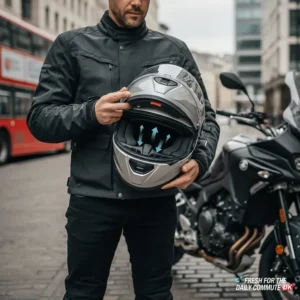
I’ve been riding for over fifteen years, and honestly, the introduction of properly designed removable liner systems has been one of the most practical innovations in motorcycling safety gear. Gone are the days when you’d have to live with a progressively mankier helmet interior until the smell became unbearable enough to justify buying a new lid. Modern helmets with removable liners let you maintain proper hygiene, extend your helmet’s lifespan, and quite frankly, avoid offending your mates when you take your helmet off at the café stop.
What makes a helmet with a removable liner particularly brilliant for UK riders? Well, our unpredictable weather means we’re often dealing with everything from scorching summer heat to drizzly autumn mornings in a single week. Removable liners allow you to wash away sweat, rain residue, and that peculiar combination of helmet funk that develops when you’re caught in a downpour. According to the UK Government’s motorcycle helmet regulations, whilst there’s no legal requirement for removable liners specifically, maintaining your helmet in good condition is essential for ensuring it continues to meet safety standards.
The technology has evolved significantly. Modern antibacterial fabrics, moisture-wicking materials, and quick-dry padding systems mean you can actually keep your helmet fresh without waiting days for components to dry. Whether you’re commuting through London traffic daily or embarking on weekend tours across the Scottish Highlands, a helmet with a properly designed removable liner system makes maintaining hygiene remarkably straightforward.
Quick Comparison Table
| Helmet Model | Price Range (£) | Weight | Key Feature | Best For |
|---|---|---|---|---|
| HJC RPHA 91 | £349-£449 | 1,550g | Premium moisture-wicking liner | Touring riders |
| LS2 Rapid III | £59.99 | 1,350g | Budget-friendly with antibacterial liner | New riders, commuters |
| Bell MX-9 Adventure MIPS | £279-£329 | 1,480g | Dual-sport versatility | Adventure touring |
| AGV K6-S | £429-£549 | 1,290g | Carbon-aramid shell, 5-density liner | Sport touring |
| Arai Tour-X5 | £549-£649 | 1,750g | Premium multi-density padding | Off-road, adventure |
| Shoei NXR2 | £449-£529 | 1,390g | Advanced ventilation, quick-dry liner | All-round performance |
| Shark Evo-GT | £299-£379 | 1,600g | Modular convenience | Touring, commuting |
💬 Just one click – help others make better buying decisions too! 😊
Top 7 Motorcycle Helmets with Removable Liner: Expert Analysis
1. HJC RPHA 91 – The Premium Touring Champion
The HJC RPHA 91 stands as one of the finest modular touring helmets available in the UK market, and its removable liner system is genuinely impressive. Constructed using HJC’s Premium Integrated Matrix EVO shell technology, this helmet delivers exceptional protection whilst keeping weight manageable at approximately 1,550 grammes.
Key Specifications:
- ECE 22.06 certified
- Moisture-wicking, antibacterial removable liner
- Advanced Channeling Ventilation System
- Compatible with Smart HJC Bluetooth systems
The RPHA 91’s interior features a fully removable and washable moisture-wicking liner that incorporates antibacterial treatment. UK riders particularly appreciate how the liner manages sweat during summer motorway journeys whilst remaining comfortable enough for all-day touring. The cheek pads detach easily with press studs, making the washing process straightforward.
UK buyers report that the liner dries remarkably quickly – typically within 4-6 hours when air-dried indoors, which is brilliant if you need your helmet ready for the next day’s commute. The antibacterial treatment genuinely works; even after several weeks between washes, the helmet doesn’t develop that characteristic musty smell.
Price Range: £349-£449 depending on graphics
✅ Pros:
- Exceptional build quality and comfort
- Quick-drying antibacterial liner
- Modular convenience for spectacle wearers
❌ Cons:
- Premium price point
- Heavier than pure sport helmets
Customer Feedback: UK riders consistently praise the RPHA 91’s comfort during long distances. One reviewer noted covering 800 kilometres in a day without pressure points, attributing this partly to the well-designed, washable interior that maintained freshness throughout the journey.
2. LS2 Rapid III – Outstanding Value for Money
At just £59.99, the LS2 Rapid III represents extraordinary value whilst delivering features you’d expect from helmets costing three times as much. This ECE 22.06 certified helmet includes a fully removable, hypoallergenic, and antibacterial liner that’s machine washable – quite remarkable at this price point.
Key Specifications:
- ECE 22.06 certification
- Weight: 1,350g
- Hypoallergenic antibacterial liner
- Pinlock-ready UV-resistant visor
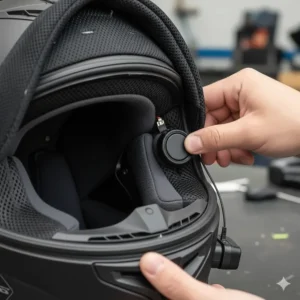
The Rapid III features a completely removable interior with both crown liner and cheek pads detaching via simple press-stud mechanisms. For budget-conscious UK riders or those new to motorcycling, this represents an exceptional entry point. The liner material feels substantial despite the low price, with decent moisture-wicking properties.
Washing the liner is genuinely straightforward – pop it in a mesh laundry bag, gentle cycle with mild detergent, air dry. UK buyers report the liner maintains its shape well even after multiple washes. The antibacterial treatment helps manage odours between cleaning sessions, particularly useful for daily commuters.
Price Range: £59.99
✅ Pros:
- Exceptional value for money
- Lightweight and comfortable
- Easy-to-remove liner components
❌ Cons:
- Basic ventilation compared to premium models
- Louder at motorway speeds
Customer Feedback: New riders particularly appreciate the Rapid III’s approachability. The removable liner means they can maintain helmet hygiene without the intimidation factor of expensive equipment, encouraging proper maintenance habits from the start.
3. Bell MX-9 Adventure MIPS – The Versatile Explorer
The Bell MX-9 Adventure MIPS bridges the gap between road and off-road brilliantly, featuring a removable liner system designed to handle the unique challenges of adventure riding. Priced between £279-£329, it delivers exceptional versatility for UK riders who enjoy green lanes and trail riding as much as tarmac touring.
Key Specifications:
- MIPS (Multi-directional Impact Protection System)
- ECE 22.06 certified
- Removable/washable moisture-wicking liner
- Tool-free peak adjustment
The MX-9 Adventure’s liner system impresses with its robust construction. Unlike pure road helmets, this liner handles mud, sweat, and the general muck associated with off-road riding. The cheek pads and crown liner detach completely, and the materials cope admirably with frequent washing – essential when you’ve been churning through muddy Welsh byways.
UK adventure riders appreciate the liner’s quick-dry properties. After a muddy Saturday ride, you can wash the liner in the evening and have it ready for Sunday’s road ride. The MIPS technology adds rotational impact protection, whilst the removable liner ensures you can maintain the helmet’s interior hygiene despite challenging conditions.
Price Range: £279-£329
✅ Pros:
- MIPS rotational protection
- Excellent ventilation for varied riding
- Durable liner suitable for off-road conditions
❌ Cons:
- Peak creates wind resistance at motorway speeds
- Heavier than pure road helmets
Customer Feedback: Adventure touring enthusiasts in the UK praise the MX-9’s versatility. The removable liner proves particularly valuable after muddy trail rides, allowing thorough cleaning that keeps the helmet fresh for subsequent road journeys.
4. AGV K6-S – Italian Engineering Excellence
The AGV K6-S represents sport-touring sophistication with its carbon-aramid fibre shell and advanced 5-density EPS liner system. Priced from £429.99, this helmet delivers race-bred technology with practical features like a fully removable and washable interior that UK riders genuinely appreciate.
Key Specifications:
- ECE 22.06 certified
- Weight: 1,290g (remarkably light)
- 5-density EPS liner with removable padding
- Ultravision visor with 190° horizontal visibility
The K6-S features AGV’s premium removable liner system, incorporating moisture-wicking fabrics that manage perspiration effectively during spirited riding. The crown liner and cheek pads detach via secure press-stud connections, maintaining their position during rides whilst allowing easy removal for washing.
UK sport-touring riders particularly value the K6-S’s lightweight construction combined with washable internals. After aggressive riding sessions or summer commutes, the liner can be removed, washed, and dried within a day. The antibacterial treatment helps maintain freshness between washes, whilst the materials remain soft and comfortable even after numerous cleaning cycles.
The helmet’s ventilation system works brilliantly with the moisture-wicking liner, creating airflow that keeps you cool whilst the liner material actively pulls moisture away from your skin. According to SHARP helmet safety testing, proper helmet maintenance including liner cleanliness contributes to overall helmet performance and longevity.
Price Range: £429-£549
✅ Pros:
- Exceptionally lightweight
- Premium materials and construction
- Excellent aerodynamics and ventilation
❌ Cons:
- Premium pricing
- Sport fit may not suit all head shapes
Customer Feedback: UK track day enthusiasts and spirited road riders consistently praise the K6-S’s comfort and performance. The removable liner proves essential for maintaining hygiene after sweaty track sessions whilst preserving the helmet’s premium feel.
5. Arai Tour-X5 – The Adventure Touring Legend
The Arai Tour-X5 represents the pinnacle of adventure helmet engineering, combining Arai’s legendary build quality with practical features including a comprehensively removable liner system. Priced between £549-£649, it’s an investment in comfort, safety, and maintainability.
Key Specifications:
- Arai’s R75 round shell shape
- Multi-density EPS liner
- Fully removable, washable interior
- Handmade in Japan with rigorous quality control
The Tour-X5’s removable liner system exemplifies Arai’s attention to detail. The interior components detach completely, revealing the multi-density EPS structure underneath. The liner materials feel luxurious, incorporating moisture-wicking fabrics that manage sweat effectively during demanding off-road sections or summer touring.
UK adventure riders appreciate the Tour-X5’s liner durability. Even after frequent washing following muddy off-road adventures, the materials maintain their shape and comfort. The cheek pads are available in different thicknesses, allowing customisation of fit – and when worn pads need replacing, the removable design makes swapping straightforward.
The liner’s quick-dry properties prove particularly valuable for multi-day adventure tours. Wash the liner in a hotel sink in the evening, and it’s typically dry enough by morning for the next day’s ride. The antibacterial treatment helps manage odours during extended touring when washing opportunities might be limited.
Price Range: £549-£649
✅ Pros:
- Exceptional build quality and comfort
- Highly durable removable liner
- Customisable fit with different thickness cheek pads
❌ Cons:
- Premium price point
- Heavier than carbon fibre helmets
Customer Feedback: UK adventure touring riders who’ve invested in the Tour-X5 consistently report that the helmet’s comfort and the practical removable liner system justify the premium price, particularly during extended tours where helmet hygiene becomes crucial.
6. Shoei NXR2 – The All-Round Performer
The Shoei NXR2 delivers premium performance across sport and touring applications, featuring Shoei’s renowned build quality and a thoroughly considered removable liner system. Priced between £449-£529, it represents excellent value in the premium helmet segment.
Key Specifications:
- ECE 22.06 certified
- Weight: 1,390g
- Fully removable/washable 3D Max-Dry interior
- CNS-3 visor system with Pinlock EVO
The NXR2’s 3D Max-Dry interior system impresses UK riders with its moisture management capabilities. The removable liner incorporates advanced materials that actively wick perspiration away from your skin whilst the antibacterial treatment manages odours. The crown liner and cheek pads detach via secure press-stud mechanisms that hold firmly during rides yet release easily for washing.
UK riders particularly appreciate the liner’s quick-dry properties. The 3D Max-Dry material dries noticeably faster than standard helmet liners – typically within 3-4 hours when air-dried indoors. This proves invaluable for daily commuters who need their helmet ready quickly after washing.
The liner maintains its comfort and shape impressively well even after numerous wash cycles. UK buyers report that even after a year of regular washing (monthly or more frequently during summer), the liner retains its original softness and fit. The materials resist compression, ensuring consistent comfort throughout the helmet’s lifespan.
Price Range: £449-£529
✅ Pros:
- Excellent all-round performance
- Quick-drying Max-Dry liner system
- Outstanding comfort and quietness
❌ Cons:
- Premium pricing
- Conservative styling compared to some rivals
Customer Feedback: UK commuters and weekend riders consistently praise the NXR2’s practicality. The removable liner combined with the helmet’s overall comfort makes it a brilliant choice for riders who value both performance and maintainability.
7. Shark Evo-GT – Modular Convenience Meets Hygiene
The Shark Evo-GT delivers modular flexibility with a well-designed removable liner system, priced competitively between £299-£379. This helmet suits UK riders who value the convenience of a flip-front design combined with practical maintenance features.
Key Specifications:
- ECE 22.06 certified (both open and closed positions)
- Removable/washable liner with antibacterial treatment
- Auto-seal system prevents water ingress
- Weight: approximately 1,600g
The Evo-GT’s removable liner system proves particularly practical for the modular helmet format. The interior components detach completely, allowing thorough washing – essential for a helmet style often used by commuters and touring riders who rack up significant mileage. The liner materials incorporate moisture-wicking fabrics and antibacterial treatment.
UK riders appreciate the Evo-GT’s practical approach to helmet hygiene. The modular design already offers convenience for spectacle wearers and urban riders, and the removable liner extends this practicality to maintenance. The liner components dry within 4-5 hours typically, making them ready for the next day’s commute.
The antibacterial treatment works effectively at managing odours between washes. UK commuters report that even with daily use during warm weather, the helmet remains fresh-smelling for 2-3 weeks before washing becomes necessary – though washing more frequently certainly doesn’t hurt.
Price Range: £299-£379
✅ Pros:
- Modular convenience
- Good value for money
- Practical removable liner system
❌ Cons:
- Heavier than full-face equivalents
- More mechanical complexity
Customer Feedback: UK commuters particularly value the Evo-GT’s combination of modular convenience and washable liner. The ability to flip the front up at traffic lights combined with maintaining a fresh, clean interior makes it an exceptionally practical daily rider.
Understanding the ECE 22.06 Safety Standard
Since January 2024, all new motorcycle helmets sold in the UK and Europe must comply with ECE 22.06, the latest iteration of the helmet safety standard. This represents a significant advancement over the previous ECE 22.05 standard, with stricter testing protocols and enhanced safety requirements that directly impact helmet design including liner systems.
According to the Department for Transport’s SHARP programme, ECE 22.06 introduces several critical improvements. The new standard includes oblique impact testing that simulates rotational forces during crashes – precisely the type of impact that can cause serious brain injuries. This testing has influenced how manufacturers design impact-absorbing liners, with many now incorporating multi-density EPS structures that can be partially or fully removed for maintenance.
The ECE 22.06 standard also addresses liner materials directly. Tests now assess how liners cope with sweat, hair products, and the general degradation that occurs during normal use. This means modern removable liners must maintain their protective properties even after regular washing and extended exposure to moisture. For UK riders, this translates to confidence that washing your removable liner won’t compromise the helmet’s safety performance.
The standard mandates that accessories, including removable liner systems, must not compromise helmet safety. This has led manufacturers to design removal mechanisms that hold liners securely in place during impacts whilst still allowing easy detachment for washing. The press-stud and hook-and-loop systems used in modern helmets have been tested to ensure they won’t fail during the precise moments when you need them most.
For UK riders purchasing new helmets in 2026, ECE 22.06 certification ensures that removable liner systems have been rigorously tested. The liner materials, attachment mechanisms, and overall design have passed standards that simulate real-world crash scenarios, providing assurance that the convenience of removable liners doesn’t compromise safety.
Benefits of Helmets with Removable Liners
Hygiene and Health Advantages
The primary benefit of motorcycle helmets with removable liner technology centres on hygiene maintenance. Your helmet’s interior comes into intimate contact with your skin for extended periods, absorbing sweat, oils, dead skin cells, and environmental contaminants. Without the ability to wash these components, bacteria and fungi can proliferate, potentially causing skin irritation, unpleasant odours, and even infections.
Removable liners allow thorough cleaning that simply isn’t possible with permanently attached interiors. You can wash away accumulated sweat, bacteria, and general grime, maintaining a fresh environment for your skin. This proves particularly valuable for UK riders who commute daily or embark on extended tours where the helmet sees continuous use. Regular washing prevents the buildup of contaminants that can cause scalp irritation, facial breakouts, or that distinctive helmet funk that makes taking your lid off in public slightly embarrassing.
The antibacterial treatments incorporated into modern removable liners provide additional protection between washes. These treatments actively inhibit bacterial growth, extending the time between necessary cleaning cycles whilst maintaining freshness. For riders with sensitive skin or conditions like eczema, the ability to maintain a genuinely clean helmet interior can make the difference between comfortable riding and persistent irritation.
Extended Helmet Lifespan
Removable liners significantly extend your helmet’s overall lifespan by allowing replacement of worn interior components without discarding the entire helmet. The liner and cheek pads typically wear out before the shell and safety structures, particularly if you ride frequently. With removable systems, you can purchase replacement liners for £30-£60, maintaining the helmet’s comfort and fit for years beyond what would be possible with permanently attached interiors.
This economic benefit becomes particularly apparent with premium helmets. An Arai or Shoei costing £500-£600 represents a substantial investment. Being able to refresh the interior every year or two with replacement liners means you can maintain that premium comfort and protection for the helmet’s entire recommended lifespan of 5-7 years. Without removable liners, many riders find themselves replacing expensive helmets simply because the interior has become compressed or unpleasantly grimy – even though the protective shell remains perfectly serviceable.
The environmental benefits shouldn’t be overlooked either. By extending helmet lifespan through liner replacement rather than complete helmet disposal, riders reduce waste and the environmental impact associated with manufacturing new helmets. For environmentally conscious UK riders, this represents a practical way to reduce your motorcycling footprint without compromising safety or comfort.
Customisation and Fit Optimisation
Removable liner systems enable fit customisation that fixed interiors simply cannot match. Many manufacturers offer cheek pads in different thicknesses, allowing you to fine-tune the helmet’s fit to your face shape. If you find a helmet that’s almost perfect but slightly loose in the cheeks, you can install thicker cheek pads. Conversely, if the helmet feels tight after the initial break-in period, thinner pads can provide relief.
This customisation proves particularly valuable for riders with unusual head shapes or those who wear helmets for extended periods. You can experiment with different cheek pad thicknesses to find the optimal balance between security and comfort. Some riders even maintain multiple sets of liners in different thicknesses, swapping between them depending on whether they’re doing a short commute or an all-day tour.
The removable nature also facilitates seasonal adjustments. During winter, some UK riders prefer slightly thinner liners to accommodate balaclava or skull cap underlayers. In summer, the standard liner thickness provides optimal comfort without additional layers. This flexibility enhances comfort across varying riding conditions throughout the year.
Practical Maintenance and Convenience
The practical convenience of removable liners extends beyond simple washing. They make helmet storage more pleasant – rather than storing a helmet with a potentially musty interior, you can wash and thoroughly dry the liner before putting the helmet away for winter. This prevents the development of mildew or persistent odours during storage periods.
For riders who share helmets (such as motorcycle training schools or families with similar-sized heads), removable liners enable each rider to maintain their own set of fresh liners. Simply swap the liners between rides, and each rider enjoys a clean, personalised interior. This proves invaluable for hygiene in shared-helmet scenarios where permanent liners would quickly become unpleasant for subsequent users.
The convenience factor also applies to emergency situations. If you’re caught in heavy rain and your helmet interior becomes soaked, removable liners allow you to dry them quickly – either by removing and hanging them somewhere warm or even carrying a spare set in your luggage. This practical flexibility makes riding in unpredictable British weather considerably more comfortable.
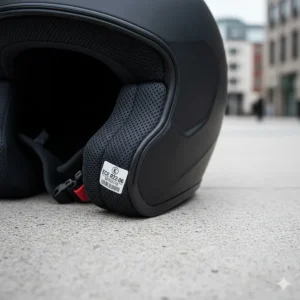
How to Choose the Right Removable Liner Helmet
Assessing Liner Material Quality
When evaluating motorcycle helmets with removable liner options, the liner material quality fundamentally impacts both comfort and longevity. Look for liners incorporating moisture-wicking fabrics – typically polyester blends or specialised technical materials that actively pull perspiration away from your skin rather than simply absorbing it. High-quality moisture-wicking liners feel noticeably dryer against your skin during extended rides, managing sweat more effectively than basic foam-covered materials.
Antibacterial treatments represent another crucial quality indicator. Premium liners incorporate silver ions, bamboo fibres, or chemical treatments that inhibit bacterial growth. These treatments aren’t merely marketing gimmicks – they genuinely extend the time between necessary washes whilst preventing that distinctive helmet funk. When examining helmets in person, ask retailers about the specific antibacterial technology used. Treatments like Polygiene or similar branded technologies typically outperform generic antibacterial claims.
The liner’s density and thickness matter significantly for both comfort and durability. Higher-quality liners use multi-density foam structures – softer materials against your skin for comfort, with firmer support foam underneath. This construction provides both immediate comfort and long-term shape retention. Cheaper helmets often use uniform-density foam that feels acceptable initially but compresses into thin, uncomfortable padding after several months of use.
Evaluating Attachment Mechanisms
The system used to secure removable liners varies significantly between manufacturers, and understanding these differences helps you select a helmet that balances security with convenience. Press-stud (snap) systems represent the most common approach, using plastic studs that click into place. Quality press-stud systems should require deliberate pressure to attach yet release easily when you want to remove the liner. Weak studs that pop loose accidentally indicate poor quality, whilst overly stiff studs make removal frustrating.
Hook-and-loop (Velcro-style) attachments offer simplicity but can lose effectiveness over time as the hooks become clogged with lint and debris. Some premium helmets use combination systems – press studs for the main liner with hook-and-loop for cheek pads – balancing security and convenience. When trying helmets, test the attachment mechanisms yourself. Liners should remain absolutely secure during normal head movements, including vigorous shaking, but shouldn’t require wrestling to remove.
Magnetic attachment systems appear in some premium helmets, offering excellent security combined with easy removal. However, these remain relatively rare and typically appear only in top-tier models. Assess whether the slightly enhanced convenience justifies any price premium over traditional press-stud systems.
Considering Helmet Type and Riding Style
Your riding style significantly influences which type of removable liner helmet suits your needs best. Sport and sport-touring riders benefit from lightweight helmets with aerodynamic shapes, meaning models like the AGV K6-S or Shoei NXR2 with their race-bred designs and efficient removable liner systems represent ideal choices. These helmets prioritise weight reduction and aerodynamics whilst maintaining practical maintenance features.
Adventure and dual-sport riders face unique challenges that influence helmet selection. Off-road riding generates considerably more sweat and exposes helmets to mud, dust, and general muck. Helmets like the Bell MX-9 Adventure or Arai Tour-X5 feature robust removable liners designed to withstand frequent washing without deteriorating. The materials resist the harsher treatment associated with adventure riding whilst maintaining comfort during road sections.
Touring riders, particularly those embarking on multi-day journeys, should prioritise helmets with quick-drying liners and comprehensive antibacterial treatment. The HJC RPHA 91 or Shark Evo-GT offer excellent touring features combined with liner systems that can be washed in hotel sinks and dried overnight – essential for maintaining comfort during extended trips. Commuters benefit from similar features, with the added consideration that modular designs like the Evo-GT offer convenience for urban riding alongside practical maintenance.
Understanding UK-Specific Considerations
UK riders face unique considerations that influence helmet selection. Our variable weather means helmets often transition from hot summer commutes to autumn rain within the same week. Look for removable liners that dry quickly – typically within 4-6 hours when air-dried indoors. This ensures you can wash your liner after a sweaty summer ride and have it ready for the next day’s potentially cooler commute.
The prevalence of year-round riding in the UK also means considering how removable liners accommodate seasonal variations. Some riders prefer helmets that allow fitting winter-specific liners with enhanced insulation, then swapping to summer-weight liners during warmer months. Whilst not all manufacturers offer seasonal liner options, the removable nature enables using aftermarket liner systems or underlayers as needed.
UK regulations and safety standards should inform your decision. Ensure any helmet you purchase carries ECE 22.06 certification and appears on the SHARP database. The removable liner system should not compromise the helmet’s safety rating – quality manufacturers design attachment mechanisms that maintain liner position during impacts whilst still allowing easy removal for washing.
Maintenance Guide: Washing Your Removable Liner
Pre-Wash Preparation and Disassembly
Before washing your helmet’s removable liner, proper preparation ensures effective cleaning without damaging components. Start by removing any electronic accessories – Bluetooth communicators, action cameras, or similar devices should be completely detached. These electronics aren’t designed for water exposure, and forgetting to remove them can result in expensive damage.
Carefully document how the liner components fit together before removal. Modern smartphone cameras make this effortless – simply photograph the liner installation from multiple angles. This visual reference proves invaluable during reassembly, particularly if you’re washing the liner for the first time. Pay particular attention to how cheek pads orient and any asymmetric components that must be installed in specific positions.
Remove the liner components methodically, starting with cheek pads, followed by the crown liner. Some helmets include additional pieces like neck rolls or temple pads – ensure you’ve identified all removable components. Place press studs or attachment pieces somewhere safe; they’re small and easily lost during the washing process.
Inspect the removed liner components for damage before washing. Check for tears, excessive compression, or deteriorating foam. If you notice significant wear, consider whether the liner needs replacement rather than simple washing. Many manufacturers sell replacement liners for £30-£60, and washing a liner that’s already significantly degraded won’t restore its original comfort or protective properties.
Hand Washing Method
Hand washing represents the gentlest cleaning method for helmet liners and the approach I recommend for premium helmets or delicate materials. Fill a clean basin or sink with lukewarm water – approximately 30-35°C, similar to a comfortable bath temperature. Add a small amount of mild detergent; baby shampoo works brilliantly as it’s designed to clean away oils and sweat whilst remaining gentle on sensitive materials.
Submerge the liner components in the soapy water and gently agitate them, working the solution through the fabric and foam. Pay particular attention to areas that contact your forehead and cheeks, as these accumulate the most oils and bacteria. Avoid aggressive scrubbing or wringing, which can damage the foam structure or detach fabric from foam backing. Instead, use a gentle massaging action, working the soapy water through the material.
Allow the components to soak for 10-15 minutes in the soapy water. This soaking period helps loosen deeply embedded dirt and oils without requiring aggressive mechanical cleaning. After soaking, drain the soapy water and rinse the components thoroughly under cool running water. Continue rinsing until the water runs completely clear and you can’t feel any soap residue in the fabric – residual detergent can cause skin irritation when you wear the helmet.
Gently squeeze excess water from the liner components – never wring or twist them forcefully. The foam structure can be permanently damaged by aggressive wringing. Instead, press the components between towels to absorb excess moisture, then lay them flat on a clean, dry towel in a well-ventilated area. Position them away from direct heat sources like radiators or sunny windows, as excessive heat can warp foam or damage antibacterial treatments.
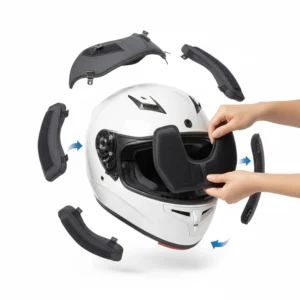
Machine Washing Considerations
Many modern helmet liners tolerate gentle machine washing, though this method carries slightly higher risks than hand washing. If you choose machine washing, place liner components in a mesh laundry bag or pillowcase tied shut. This protection prevents the liner from snagging on the washing machine drum or other laundry items during the wash cycle.
Select the washing machine’s most delicate cycle – typically labelled “delicates,” “hand wash,” or similar. Use cool or lukewarm water (maximum 30-35°C) and a mild detergent. Avoid washing helmet liners with heavily soiled items like work clothes or muddy motorcycle gear; instead, include them with similarly delicate items like technical sportswear or lighter clothing items. The other laundry helps balance the washing machine drum, reducing the risk of the liner bouncing around excessively.
Never use fabric softener when washing helmet liners. Fabric softeners coat fibres with chemicals that can reduce moisture-wicking properties and potentially irritate sensitive skin. Similarly, avoid biological detergents with enzymes, which can degrade some technical fabrics over time. Stick with mild, non-biological detergents designed for sensitive skin or technical sportswear.
Most importantly, never machine-dry helmet liners. The heat and tumbling action of tumble dryers can irreversibly damage foam structures, warp liner shapes, and destroy antibacterial treatments. Always air-dry liner components, even if this requires planning ahead to ensure they’re dry when you need them.
Drying and Reassembly Best Practices
Proper drying proves just as crucial as proper washing for maintaining liner quality. Lay liner components flat on clean, dry towels in a well-ventilated area. Avoid hanging liners, as this can cause materials to stretch or deform under their own weight whilst wet. Position them away from direct heat sources – no radiators, hairdryers, or sunny windowsills. These heat sources can warp foam, damage adhesives, or destroy antibacterial treatments.
A fan positioned to blow across the drying liners can significantly reduce drying time without applying damaging heat. This proves particularly useful if you need the helmet ready quickly, reducing typical drying times from 6-8 hours to 3-4 hours whilst maintaining material integrity. Some riders keep spare liner sets specifically to avoid rushed drying situations.
Before reassembly, ensure liner components are completely dry. Even slightly damp liners can develop mildew or unpleasant odours when sealed inside the helmet. Test by pressing the liner firmly – it should feel dry throughout, not just on the surface. If you detect any dampness, allow additional drying time.
During reassembly, refer to the photographs you took before disassembly. Install components in the reverse order of removal, ensuring press studs click securely into place and hook-and-loop attachments bond completely. Once reassembled, check that all components sit flush against the helmet shell without bunching or gaps. The liner should feel identical to its pre-wash installation, maintaining the helmet’s original fit and comfort.
Common Issues and Solutions
Addressing Persistent Odours
Despite regular washing, some helmet liners develop persistent odours that resist standard cleaning methods. This typically occurs when bacteria penetrate deep into foam structures or when liners aren’t thoroughly dried between uses. The solution involves a more aggressive cleaning approach whilst remaining safe for liner materials.
Add white vinegar to your washing water (approximately 50ml per litre of water) along with your usual mild detergent. Vinegar’s natural antibacterial properties help eliminate odour-causing bacteria that resist standard detergent. Soak the liner for 20-30 minutes in this solution before proceeding with normal washing. The vinegar smell dissipates completely during rinsing and drying, leaving liners genuinely fresh.
For extremely stubborn odours, specialised helmet cleaning products like Helmet Fresh or similar branded cleaners prove effective. These products contain enzymes designed specifically to break down the bacteria and organic compounds that cause helmet funk. Follow manufacturer instructions carefully, as these products can be more aggressive than standard detergents.
Prevention proves more effective than cure for odour issues. Ensure liners dry completely between uses – never put a damp helmet in a enclosed bag or cupboard. Consider using helmet driers (purpose-built devices that circulate air through the helmet) or simply storing the helmet in a well-ventilated area. Some riders sprinkle baking soda into the helmet between uses, allowing it to absorb moisture and odours before removing it prior to the next ride.
Managing Liner Compression and Loss of Comfort
Even high-quality removable liners eventually compress and lose their original cushioning properties. This compression occurs naturally through normal use, but washing can accelerate the process if not done carefully. The symptoms include pressure points developing during rides, the helmet feeling looser than when new, or discomfort after relatively short wearing periods.
Some compression is irreversible, indicating the liner has reached the end of its useful life. However, proper washing and drying techniques can minimise premature compression. Always air-dry liners flat rather than hanging them, which prevents gravitational stretching whilst wet. Avoid excessive mechanical agitation during washing – gentle hand washing typically preserves liner structure better than aggressive machine washing.
If your liner has compressed but remains otherwise serviceable, manufacturers often sell replacement liners separately for £30-£60. This represents excellent value compared to replacing the entire helmet, particularly with premium models. Check manufacturer websites or authorised dealers for replacement liner availability. Ensure you purchase the correct size and model-specific liner, as liners aren’t typically interchangeable between helmet models even from the same manufacturer.
Some riders extend liner life by rotating between two liner sets. Purchase a second liner when you buy the helmet, washing one whilst wearing the other. This rotation reduces the frequency any single liner endures washing whilst ensuring you always have a fresh, dry liner available. The initial additional cost pays dividends in extended overall liner lifespan and maintained comfort.
Dealing with Attachment Mechanism Failures
Press-stud and hook-and-loop attachment mechanisms occasionally fail, compromising liner security. Press studs may crack or lose their grip, whilst hook-and-loop systems become clogged with lint and lose adhesion. These failures present safety concerns – a liner that shifts during a crash compromises the helmet’s protective performance.
For press-stud failures, replacement studs are often available from helmet manufacturers or aftermarket suppliers. Carefully remove damaged studs and install replacements following manufacturer instructions. This typically requires gently prying out the old stud and pressing or gluing the new stud into place. If you’re uncomfortable performing this repair yourself, motorcycle gear retailers or helmet specialists can typically replace studs for a modest fee.
Hook-and-loop attachment degradation can often be reversed through cleaning. Use a fine-toothed comb or purpose-built hook-and-loop cleaning tool to remove lint and debris from the hook side. The loop side can be cleaned by pulling trapped fibres free with tweezers. If the hook-and-loop has degraded beyond cleaning, replacement strips can be purchased from fabric shops and carefully glued into place using fabric adhesive suitable for helmet materials.
Prevention helps avoid attachment mechanism failures. When removing liners, work carefully rather than yanking forcefully. Release press studs one at a time, supporting the liner as you work. For hook-and-loop attachments, separate them slowly at an angle rather than pulling straight apart. These gentle removal techniques significantly extend attachment mechanism lifespan whilst making the removal process easier overall.
Frequently Asked Questions
❓ How often should I wash my motorcycle helmet's removable liner?
❓ Can I put my helmet liner in the washing machine and tumble dryer?
❓ Will washing my helmet liner affect its safety performance?
❓ How long do removable helmet liners typically last before needing replacement?
❓ Are antibacterial treatments in helmet liners genuinely effective or just marketing?
Conclusion: Making Your Decision
Choosing the right motorcycle helmet with removable liner fundamentally comes down to matching the helmet’s features to your specific riding style, budget, and maintenance preferences. Whether you’re a daily commuter battling through Manchester traffic, a weekend warrior exploring the Scottish Highlands, or an adventure enthusiast tackling green lanes, the helmets reviewed here offer genuine solutions to the challenge of maintaining helmet hygiene whilst delivering excellent safety and comfort.
For budget-conscious riders or those new to motorcycling, the LS2 Rapid III at £59.99 represents extraordinary value. You’re getting ECE 22.06 certification, a fully removable and washable liner with antibacterial treatment, and decent overall performance – all for less than many riders spend on a tank of petrol. It’s an exceptional entry point that encourages proper helmet maintenance habits without the anxiety of expensive equipment.
Mid-range options like the Bell MX-9 Adventure MIPS (£279-£329) or Shark Evo-GT (£299-£379) deliver enhanced features and build quality whilst maintaining reasonable pricing. The Bell brings MIPS rotational protection and genuine dual-sport versatility, whilst the Shark offers modular convenience alongside practical maintenance features. These helmets suit riders who’ve progressed beyond entry-level gear but aren’t quite ready for premium pricing.
Premium choices including the HJC RPHA 91 (£349-£449), AGV K6-S (£429-£549), Arai Tour-X5 (£549-£649), or Shoei NXR2 (£449-£529) represent investments in exceptional quality, advanced safety features, and long-term comfort. Yes, they cost considerably more than budget alternatives, but the superior materials, refined ventilation systems, and genuinely effective removable liner systems justify the premium for serious riders who log substantial mileage annually.
The removable liner technology itself has matured beautifully. Modern systems balance secure attachment with easy removal, incorporate genuinely effective antibacterial treatments, and use materials that maintain comfort and protective properties even after numerous washing cycles. This represents a massive improvement over helmets from even a decade ago, where maintaining interior hygiene often meant living with unpleasant odours or expensive complete helmet replacement.
Regular maintenance of your removable liner – washing every 2-4 weeks depending on usage, proper air-drying, and timely replacement when necessary – extends your helmet’s overall lifespan whilst maintaining the comfort and hygiene that makes riding genuinely enjoyable. The modest investment of time required for washing pays enormous dividends in comfort, particularly during extended rides or summer commuting when a fresh, clean helmet interior makes all the difference.
Remember that your helmet represents your most critical piece of safety equipment. The removable liner technology discussed throughout this article enhances practicality without compromising the fundamental protective purpose. Choose a helmet that meets current ECE 22.06 standards, fits your head shape properly, and includes a removable liner system that matches your willingness and ability to maintain it regularly. Your future self – the one who doesn’t have to endure riding in a progressively mankier helmet – will thank you for the consideration.
✨ Don’t Miss These Exclusive Deals!
🔍 Take your motorcycle safety to the next level with these carefully selected products. Click on any highlighted item to check current pricing and availability on Amazon.co.uk. These helmets will help you maintain authentic comfort and hygiene your riding deserves!
Recommended for You
- 7 Best Motorcycle Helmets with Built in Bluetooth UK 2026
- 7 Best P/J Approved Flip Front Helmets UK 2026
- 7 Best High Visibility Motorcycle Helmets UK 2026 | Safety First
Disclaimer: This article contains affiliate links. If you purchase products through these links, we may earn a small commission at no additional cost to you. Prices shown are approximate and may vary.
✨ Found this helpful? Share it with your mates! 💬🤗
