In This Article
British Standard BS 6658:1985 represents a significant chapter in UK motorcycle safety history. This British Standard specifies requirements for helmets to be worn by riders, drivers and passengers of motor vehicles, including participants in competitive events. According to GOV.UK’s official guidance, although in recent years the ECE22.05 has been more commonly used than the BS 6658:1985 standard mainly due to the fact that most helmet manufacturers are international companies and it’s easier for them to use one standard that covers Europe and the UK, helmets meeting BS 6658 remain perfectly legal for UK road use.
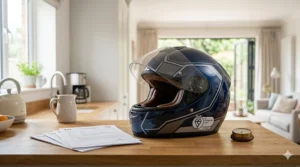
All helmets worn on UK roads must meet British Standard BS 6658:1985 and carry the BSI Kitemark, or a European Economic Area member standard offering at least the same safety and protection as BS 6658:1985. What many British riders don’t realise is that modern helmets certified to ECE 22.05 or the newer ECE 22.06 standard actually exceed the BS 6658 requirements — meaning if you’re shopping for a helmet today, you’re getting superior protection compared to what the 1985 standard originally demanded.
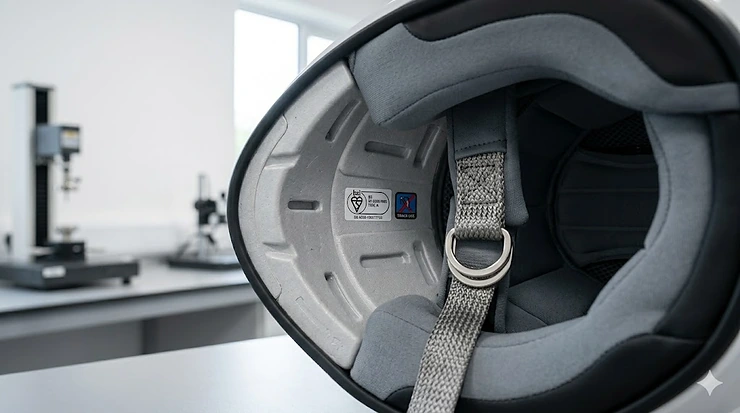
The BS 6658:1985 standard includes three performance levels, identified by coloured stickers: red (Type A/FR with fire-resistant lining for motorsport), blue (Type A for high-performance use), and green (Type B for lower-rated helmets). Understanding this hierarchy helps you grasp why most manufacturers have moved towards the more rigorous European standards whilst still ensuring legal compliance for UK riders. The British Standards Institution (BSI) continues to maintain this standard, though the Department for Transport’s SHARP testing programme now provides more comprehensive safety ratings using modern testing methodology.
In practical terms for 2026 buyers, this means you’ll struggle to find helmets marketed solely under BS 6658 — instead, you’ll find helmets certified to ECE 22.05, ECE 22.06, or both, which automatically satisfy UK legal requirements. This article examines helmets available on Amazon.co.uk that meet or exceed BS 6658 standards, focusing on models popular with British riders navigating everything from Manchester’s ring road to the Scottish Highlands.
Quick Comparison Table
| Helmet Model | Certification | Price Range (£) | Weight | Best For |
|---|---|---|---|---|
| AGV K6 | ECE 22.05 (exceeds BS 6658) | £200-£400 | ~1,220g | Sport & touring |
| Shoei NXR 2 | ECE 22.06 (exceeds BS 6658) | £400-£550 | ~1,400g | Premium sport |
| HJC F71 | ECE 22.06 (exceeds BS 6658) | £250-£350 | ~1,350g | Mid-range all-rounder |
| LS2 FF805 Thunder | ECE 22.06 (exceeds BS 6658) | £180-£280 | ~1,280g | Budget performance |
| Shoei GT-Air 3 | ECE 22.06 (exceeds BS 6658) | £450-£600 | ~1,510g | Premium touring |
| HJC i91 | ECE 22.06 (exceeds BS 6658) | £300-£450 | ~1,720g | Modular convenience |
| AGV K1 S | ECE 22.06 (exceeds BS 6658) | £150-£220 | ~1,350g | Entry-level sport |
From the comparison above, the AGV K6 offers exceptional value in the mid-£300s, whilst the Shoei NXR 2 justifies its premium positioning with superior build quality and noise reduction — critical for motorway commutes. Budget-conscious riders should note the LS2 FF805 Thunder delivers ECE 22.06 certification at under £280, though you’ll sacrifice some refinement in visor sealing and wind noise compared to Japanese-made alternatives. For British weather, the Shoei GT-Air 3‘s superior ventilation and anti-fog systems handle October drizzle far better than entry-level options, making the investment worthwhile if you ride year-round.
💬 Just one click — help others make better buying decisions too! 😊
Top 7 British Standard BS 6658 Compliant Helmets: Expert Analysis
1. AGV K6 – Italian Engineering Meets UK Requirements
The AGV K6 represents the sweet spot between performance and affordability for British riders. This carbon-aramid fibre helmet weighs approximately 1,220 grammes, making it one of the lighter full-face options available on Amazon.co.uk around the £200-£400 range.
The shell of this motorcycle helmet is made using carbon-aramid fibre, which is a highly protective and resistant composition of carbon fibre and aramid fibre. What this means in practice: the helmet absorbs impact energy more effectively than polycarbonate alternatives, whilst remaining light enough for all-day comfort during weekend runs through the Lake District or daily commutes across Birmingham.
The K6 earns its reputation through thoughtful details. The included Pinlock Max Vision 120 insert prevents fogging during those inevitable British November mornings when you’re waiting at traffic lights with your breath condensing inside the lid. The wide visor aperture provides excellent peripheral vision — particularly valuable when navigating London’s congested zones where cyclists and scooters appear from unexpected angles.
For British conditions, the ventilation system works admirably. The chin and forehead vents channel air effectively, though in torrential Welsh rain, you’ll want to close them to prevent water ingress. The comfort liner wicks moisture well, essential during summer rides when temperatures climb into the mid-20s Celsius.
UK buyers report the K6 runs true to Italian sizing, which tends slightly narrower than Japanese alternatives. If you’ve previously worn Shoei or Arai and found them comfortable, try the K6 in a shop first or take advantage of Amazon’s return policy.
✅ Pros:
- Exceptional weight-to-protection ratio
- Wide field of vision
- Pinlock Max Vision included
- Competitive pricing for carbon-aramid construction
❌ Cons:
- Narrower fit than Japanese brands
- Wind noise slightly higher at motorway speeds
Price typically ranges from £200 for plain colours to around £400 for race replicas on Amazon.co.uk — outstanding value for a carbon-composite helmet with proper ECE certification.

2. Shoei NXR 2 – Japanese Precision for UK Roads
When discussing helmets that exceed BS 6658 requirements, the Shoei NXR 2 sets the benchmark. Handcrafted in Japan and certified to ECE 22.06, this helmet represents what five decades of manufacturing experience delivers. At around £400-£550 on Amazon.co.uk, it’s an investment rather than an impulse purchase.
The NXR 2 weighs approximately 1,400 grammes in size medium, distributed perfectly across the shell. After three hours navigating Scottish A-roads, you won’t feel the strain many riders experience with cheaper alternatives. The AIM+ shell construction uses advanced materials to create a helmet that’s both lighter and stronger than its predecessor.
What sets the Shoei apart for British riders is the exceptional attention to weather sealing. The visor mechanism seals tightly against British wind and rain, whilst the breath guard and chin curtain work in tandem to prevent fogging — a common complaint with budget helmets during autumn rides through Yorkshire’s moors. The QSV-2 internal sun visor deploys smoothly with a left-hand control, perfect for those sudden transitions from overcast to bright sunshine that characterise British summer weather.
The ventilation system features four intake vents and four exhausts, creating genuine airflow even at urban speeds. During London’s congested summer traffic, this prevents the sweatbox effect that plagues lesser lids. The multi-density EPS liner provides impact protection across a range of collision speeds, meeting the tougher ECE 22.06 oblique impact requirements.
UK reviewers consistently praise the NXR 2‘s refinement. Wind noise remains subdued up to 70mph, dropping further with good earplugs — essential for long motorway slogs from Manchester to Edinburgh. The helmet arrives with a clear Pinlock insert fitted, plus a tinted visor in the box.
✅ Pros:
- Exceptional build quality
- Superior weather sealing for British conditions
- Minimal wind noise
- Five-year warranty
❌ Cons:
- Premium pricing
- Heavier than carbon alternatives
Expect to pay around £450-£550 depending on graphics, with plain colours often available closer to £400. For riders covering serious mileage on UK roads, the Shoei NXR 2 justifies its cost through comfort, safety, and longevity.
3. HJC F71 – Korean Value with European Certification
The HJC F71 occupies the middle ground between budget and premium, typically available on Amazon.co.uk in the £250-£350 bracket. HJC’s fibreglass construction weighs approximately 1,350 grammes, offering decent protection without the premium pricing of carbon composites.
This helmet carries ECE 22.06 certification, exceeding BS 6658 requirements by a significant margin. The fibreglass shell provides better impact absorption than polycarbonate whilst remaining affordable. For British buyers, this translates to genuine safety credentials at a price point that won’t require financing.
The F71 includes features often found on more expensive helmets: integrated speaker recesses for Bluetooth systems, a Pinlock-ready visor with insert included, and an internal sun visor. The ventilation system channels air adequately, though during July heatwaves in South East England, you’ll notice it’s not quite as effective as the Shoei‘s system.
Where the HJC excels is fit consistency. Multiple UK reviewers mention the helmet feels comfortable from first wear, with minimal break-in period. The cheek pads use Ritmo fabric that facilitates easy donning and doffing — appreciated by spectacle wearers navigating Britain’s unpredictable weather whilst trying to avoid smudging their lenses.
For British conditions, the visor seal performs well in moderate rain, though heavy motorway downpours occasionally find their way through the chin vent. The anti-fog performance with the supplied Pinlock works effectively during autumn and winter commutes, preventing the condensation issues that plague cheaper alternatives.
✅ Pros:
- Excellent value for fibreglass construction
- ECE 22.06 certified
- Comfortable from first wear
- Integrated Bluetooth recesses
❌ Cons:
- Ventilation adequate rather than exceptional
- Slightly bulkier appearance than carbon helmets
At around £250-£350, the HJC F71 delivers proper ECE 22.06 protection without requiring a second mortgage. UK riders seeking reliability over racing pedigree will find this an intelligent choice.
4. LS2 FF805 Thunder GP Pro – Budget Performance Certified
Spanish manufacturer LS2 has carved a reputation for delivering ECE-certified protection at accessible prices. The FF805 Thunder GP Pro, typically £180-£280 on Amazon.co.uk, brings genuine safety credentials to budget-conscious British riders.
The thermoplastic shell construction keeps weight around 1,280 grammes whilst meeting ECE 22.06 standards. What this means practically: you’re getting a helmet that passed the same rigorous testing as options costing twice the price, though you’ll notice the difference in refinement and materials quality.
The LS2 includes a Pinlock-ready visor with insert supplied — essential equipment for British weather. The internal drop-down sun visor operates via a slider mechanism that feels slightly plasticky compared to Shoei‘s refined controls, but it functions reliably. The ventilation system features adjustable chin and forehead vents that provide adequate airflow, though wind noise climbs noticeably above 60mph.
For British riders on tighter budgets, the Thunder GP Pro offers genuine value. It won’t deliver the whisper-quiet experience of premium Japanese helmets, but paired with decent earplugs, it’s perfectly suitable for motorway commuting from Birmingham to Cardiff. The comfort liner, whilst not as plush as premium alternatives, wicks moisture effectively during summer rides.
UK buyers should note that LS2 sizing tends to run slightly large. If you’re between sizes, opt for the smaller option. The helmet breaks in minimally, so what feels snug initially will remain appropriately tight rather than becoming loose after several months.
✅ Pros:
- Exceptional value for ECE 22.06 certification
- Lightweight for price point
- Pinlock insert included
- Wide range of graphics
❌ Cons:
- Higher wind noise than premium options
- Materials feel budget-appropriate
Around £180-£280 represents outstanding value for ECE 22.06 protection. The LS2 FF805 proves you don’t need premium pricing for legal UK road compliance and genuine safety.
5. Shoei GT-Air 3 – Premium Touring for British Weather
The Shoei GT-Air 3, priced around £450-£600 on Amazon.co.uk, represents the pinnacle of sport-touring helmet design. At approximately 1,510 grammes, it’s heavier than pure sport options, but that weight brings features specifically valuable for British all-weather riding.
The AIM+ shell construction combines with multi-density EPS to create a helmet that exceeds ECE 22.06 requirements comfortably. The QSV-2 internal sun visor deploys and retracts smoothly — essential when British weather transitions from overcast to bright within minutes. The visor seal incorporates a sophisticated breath guard system that, combined with the supplied Pinlock insert, virtually eliminates fogging during November rides through the Pennines.
What truly distinguishes the GT-Air 3 for British conditions is the ventilation sophistication. Five intake vents and six exhaust ports create genuine airflow even at crawling urban speeds, preventing the greenhouse effect during London’s summer traffic jams. Yet close those vents during December motorway runs, and the helmet seals sufficiently to retain warmth.
The emergency release system allows medical personnel to remove cheek pads quickly — a feature mandated by ECE 22.06 that could prove critical following an accident. The comfort liner uses advanced materials that remain comfortable during eight-hour touring days from Devon to the Scottish Borders.
UK riders praise the GT-Air 3‘s noise suppression. Wind noise remains minimal up to 80mph, making it amongst the quietest touring helmets available. The speaker pockets accommodate Bluetooth systems without pressure points, and Shoei’s own SRL3 system integrates seamlessly if you prefer manufacturer-matched communications.
✅ Pros:
- Exceptional all-weather performance
- Superior noise suppression
- Comprehensive ventilation control
- Five-year warranty
❌ Cons:
- Premium pricing
- Heavier than sport-focused alternatives
At £450-£600, the Shoei GT-Air 3 commands serious money, but British riders covering significant all-weather mileage will appreciate the investment. This helmet excels specifically in the conditions UK motorcyclists face year-round.

6. HJC i91 – Modular Convenience Meets ECE Standards
The HJC i91 modular helmet, typically £300-£450 on Amazon.co.uk, brings flip-up convenience without compromising safety certification. Weighing approximately 1,720 grammes, it’s heavier than full-face alternatives, but that weight includes the chin bar mechanism certified for both P (full-face) and J (jet) configurations under ECE 22.06.
Modular helmets suit British riders particularly well. Morning commutes often involve stopping for petrol or grabbing coffee, and flipping the chin bar beats removing the entire helmet. The i91‘s mechanism operates smoothly with one hand, clicking securely into both open and closed positions.
The helmet includes an internal sun visor — useful when British summer sunshine breaks through clouds unexpectedly. The main visor seal performs adequately in rain, though the additional mechanical complexity means it’s not quite as weatherproof as the best full-face options. The supplied Pinlock insert prevents fogging effectively, essential for British autumn conditions.
HJC designed the i91 with integrated speaker pockets for their smart HJC Bluetooth system. The fit accommodates most head shapes comfortably, with the modular mechanism adding minimal bulk to the profile. Ventilation works well with the chin bar closed, though airflow diminishes noticeably in the open jet configuration.
UK buyers appreciate the versatility. Urban riding benefits from the flip-up convenience, whilst motorway touring keeps the chin bar secured for full protection and reduced wind noise. The helmet meets full ECE 22.06 requirements in both configurations, exceeding BS 6658 standards comprehensively.
✅ Pros:
- Genuine P/J dual certification
- Convenient flip-up mechanism
- Integrated Bluetooth compatibility
- Internal sun visor
❌ Cons:
- Heavier than full-face alternatives
- Wind noise higher with chin bar open
Around £300-£450 positions the HJC i91 as intelligent value for British riders wanting modular convenience without sacrificing proper ECE certification. The weight penalty proves worthwhile for urban-focused motorcyclists.
7. AGV K1 S – Entry-Level Sport with Full Certification
The AGV K1 S, available on Amazon.co.uk around £150-£220, proves that proper ECE 22.06 certification needn’t require premium pricing. At approximately 1,350 grammes, this thermoplastic helmet delivers genuine safety credentials for riders on restricted budgets.
The helmet features racing style with spoiler, air intakes and scratch resistant visor, 190° field of view, with intercom ready design. The wide visor aperture provides excellent visibility — particularly valuable for newer riders navigating British urban traffic whilst building confidence.
The K1 S includes features often omitted from budget helmets: a Pinlock-ready visor (though you’ll purchase the insert separately on this model), removable and washable liner, and proper ECE 22.06 certification. The ventilation system channels air adequately for urban and A-road riding, though motorway speeds reveal its budget origins through increased wind noise.
For British conditions, the K1 S performs capably. The visor seal handles moderate rain effectively, though extended motorway downpours may reveal minor seepage around the chin area. The comfort liner, whilst not luxury-grade, remains adequate for rides under three hours before you’ll notice pressure points developing.
This helmet suits new riders perfectly. It meets all UK legal requirements, provides genuine protection certified to current standards, and costs less than a tank of petrol for many motorcycles. Once you’ve logged several thousand miles and decided motorcycling suits you, upgrading to something like the AGV K6 or HJC F71 makes sense — but the K1 S provides proper protection whilst you’re learning.
✅ Pros:
- Exceptional price-to-certification ratio
- Wide field of vision
- Lightweight for thermoplastic construction
- Intercom-ready design
❌ Cons:
- Pinlock insert sold separately
- Materials reflect budget pricing
- Higher wind noise
At around £150-£220, the AGV K1 S delivers ECE 22.06 protection that comprehensively exceeds BS 6658 requirements. It’s ideal for CBT riders, commuters on restricted budgets, or anyone needing a properly certified backup helmet.
How Modern Helmets Navigate British Weather
British motorcyclists face unique environmental challenges. Our climate rarely delivers extremes, but the persistent damp, temperature fluctuations between 5°C and 25°C, and sudden weather transitions demand helmet features that American or Mediterranean riders rarely consider.
Proper anti-fog systems prove essential. Every helmet reviewed above includes Pinlock compatibility, but the premium options from Shoei and AGV integrate breath guards and chin curtains that create superior moisture management. During December commutes through Birmingham’s morning fog, these details transform riding from miserable to merely cold.
Ventilation requirements differ from warmer climates. British riders need vents that seal completely against October rain whilst providing adequate airflow during July’s occasional heatwaves. The Shoei GT-Air 3 excels here, offering infinitely adjustable ventilation that suits our mercurial weather. Budget alternatives like the LS2 FF805 provide basic vent control but lack the refinement for precise adjustment.
Visor sealing matters more in Britain than sunny California. Motorway riding at 70mph through driving rain tests every helmet’s weatherproofing. Premium Japanese helmets employ sophisticated sealing systems that prevent water ingress, whilst budget alternatives often allow minor seepage around chin vents. It won’t soak you, but it’s irritating enough to notice.
Wind noise compounds during wet weather riding. Rain amplifies aerodynamic whistles, making already-noisy budget helmets genuinely uncomfortable without earplugs. The Shoei NXR 2 and GT-Air 3 remain relatively quiet even in foul weather, justifying their premium pricing for riders covering serious mileage.
Understanding UK Legal Requirements and Certification
According to GOV.UK’s official motorcycle helmet regulations, all helmets sold in the UK must meet British Standard BS 6658:1985 and carry the BSI Kitemark, or meet with any standard accepted by a member of the European Economic Area which offers a level of safety and protection equal to BS 6658:1985 and carry a mark equal to the BSI Kitemark.
This creates potential confusion for British buyers in 2026. The BS 6658:1985 standard, whilst still legally valid, represents 1980s testing methodology. Modern ECE 22.05 and particularly ECE 22.06 standards incorporate far more rigorous testing protocols, including rotational impact assessment and multiple impact point testing that BS 6658 never envisaged.
When you purchase a helmet certified to ECE 22.06, you’re getting protection that substantially exceeds BS 6658 requirements. The European standard tests helmets at higher impact velocities, assesses more impact points around the shell, and includes oblique impact testing to measure rotational forces transmitted to the brain during angled collisions.
The BS 6658:1985 standard has three different colour levels: red sticker for Type A/FR used for helmets with fire-resistant lining normally used in car racing, blue sticker for Type A used for high-performance helmets offering better protection, and green sticker for Type B used for lower-rated helmets. However, you’ll rarely encounter these stickers on modern helmets, as manufacturers have migrated to the internationally recognised ECE certification system.
For British riders, this simplifies purchasing decisions. Any helmet carrying ECE 22.05 or ECE 22.06 certification automatically satisfies UK legal requirements whilst providing superior protection to the minimum BS 6658 standard. Focus on fit, comfort, and features rather than worrying about outdated certification hierarchies.
Post-Brexit, UK regulations continue accepting ECE certification, though the UKCA marking may eventually replace CE marking for British-market helmets. As of 2026, both remain valid, and helmets certified to European standards remain perfectly legal for UK road use. The UK Government’s guidance on product safety markings confirms this continued acceptance during the transitional period.
Common Mistakes When Buying Helmets in the UK
British buyers often prioritise price over fit, leading to uncomfortable helmets that discourage riding. A £600 Shoei that doesn’t fit your head shape delivers worse protection than a £200 HJC that fits perfectly. Head shape matters more than price — some manufacturers cater to rounder heads, others to more oval profiles.
Ignoring UK-specific weather features proves costly. Helmets designed for Mediterranean climates often lack effective anti-fog systems or weatherproof visor seals. British riders need Pinlock compatibility as essential equipment, not optional luxury. Every helmet reviewed above includes Pinlock preparation, but budget alternatives sold on Amazon may skip this feature to reduce costs.
Underestimating wind noise creates long-term hearing damage. British motorcyclists covering motorway miles need helmets with genuine noise suppression or must commit to wearing earplugs religiously. NHS guidance on noise-induced hearing loss confirms that wind noise above 85 decibels damages hearing progressively, and many budget helmets exceed this threshold at motorway speeds.
Buying helmets without trying them represents false economy. Amazon’s return policy mitigates this risk, but visiting a physical retailer to establish your head shape and preferred brand before purchasing online saves frustration. Shoei and Arai typically suit rounder heads, whilst AGV and HJC often fit more oval profiles better.
Overlooking certification dates on clearance stock can mean purchasing a helmet certified under outdated standards. Whilst BS 6658 remains legally valid, helmets certified to ECE 22.06 provide measurably superior protection. Check certification labels carefully, particularly when purchasing discounted previous-season stock.
Neglecting to budget for essential accessories proves short-sighted. A quality helmet deserves a Pinlock insert (if not included), perhaps a tinted visor for summer riding, and definitely a Bluetooth communication system for navigation. Budget an additional £80-£150 beyond helmet cost for these essentials.
BS 6658 vs ECE 22.05 vs ECE 22.06: What British Riders Need to Know
BS 6658:1985 established minimum protective standards for motorcycle helmets using testing methodology appropriate for 1980s manufacturing capabilities. As detailed in the British Standards Institution specification, the standard specified impact absorption requirements, penetration resistance, and retention system strength, creating a baseline for UK road-legal helmets.
ECE 22.05 testing is the equivalent of the DOT helmet testing in the USA and this approval covers both the helmet and the visor. Introduced in 2000, ECE 22.05 represented a significant advancement over BS 6658, incorporating more impact test points, higher test velocities, and stricter retention system requirements. Crucially, ECE 22.05 includes visor testing, ensuring the entire protective system meets minimum standards.
ECE 22.06, implemented from 2020 and becoming mandatory for new production from 2023, takes protection further again. According to Visordown’s detailed analysis, the new standard features additional higher and lower speed impact tests, 12 additional impact points tested making a total of 18, additional oblique impact test on a 45° anvil to measure rotational forces transmitted to the brain, and additional roll-off test from front to rear on all styles of helmet.
For British buyers in 2026, these improvements translate to measurably superior protection. Rotational impact testing addresses the brain injuries that linear impact testing misses — the twisting forces that occur during real-world crashes when your helmet strikes the road at an angle rather than straight-on. Research from the Royal Society for the Prevention of Accidents (RoSPA) confirms that rotational forces contribute significantly to serious head injuries in motorcycle accidents.
The practical implication: every helmet reviewed in this article carries ECE 22.05 or ECE 22.06 certification, meaning all exceed BS 6658 requirements substantially. You’re not choosing between adequate and excellent protection; you’re choosing between excellent and exceptional, with the distinction often coming down to materials quality, comfort features, and refinement rather than baseline safety. The Department for Transport’s SHARP scheme provides independent safety ratings showing how modern helmets perform well beyond minimum legal standards.
British riders needn’t worry about BS 6658 compliance specifically. Focus instead on ensuring your chosen helmet carries current ECE certification, fits properly, and suits your riding style and British weather conditions.
What to Expect: Real-World Performance in British Conditions
British motorcycling means riding through conditions that would keep Mediterranean riders garaged. October through March delivers persistent damp, temperatures hovering around 5-10°C, and sudden downpours that transform motorways into spray-filled visibility nightmares.
Premium helmets like the Shoei GT-Air 3 and NXR 2 handle these conditions through sophisticated engineering. Multi-layer visor seals prevent water ingress even during extended motorway riding through heavy rain. Breath guards and chin curtains channel exhaled moisture away from the visor, preventing condensation. Superior aerodynamics reduce the spray kicked up by your own helmet cutting through wet air.
Mid-range options such as the HJC F71 and AGV K6 deliver capable weather protection without premium refinement. You’ll notice minor water seepage around chin vents during particularly heavy rain, and fogging requires active Pinlock management rather than passive prevention. They’re perfectly adequate for British conditions, just not exceptional.
Budget alternatives like the LS2 FF805 and AGV K1 S meet minimum weatherproofing standards. Expect noticeable wind noise, occasional visor fogging despite Pinlock, and water seepage during extended motorway downpours. They’ll keep you legal and reasonably comfortable, but they won’t pamper you.
Summer riding, whilst less demanding, reveals ventilation quality. British summer temperatures rarely exceed 25°C, but urban traffic jams in July sunshine create greenhouse conditions inside budget helmets. The Shoei GT-Air 3‘s sophisticated vent control maintains comfort, whilst budget alternatives leave you sweating at traffic lights.
Wind noise escalates with motorway mileage. British national speed limits reach 70mph, where even premium helmets generate some aerodynamic noise. Budget options create genuinely uncomfortable noise levels without earplugs. If you’re commuting Manchester to Leeds daily, invest in either a premium quiet helmet or quality earplugs.
Fit deteriorates with temperature extremes. Comfort liners compress slightly in winter cold, making previously perfect fits feel slightly loose. Summer heat and sweat cause minimal expansion. Premium helmets use materials that minimise these variations; budget alternatives exhibit more noticeable seasonal fit changes.
Long-Term Cost and Maintenance in the UK
Quality helmets represent long-term investments. A £500 Shoei properly maintained lasts five years, whilst a £150 budget alternative may show significant wear after two years. Calculate cost-per-year rather than upfront expense.
Replacement parts availability matters for British riders. Shoei and Arai offer comprehensive parts support through UK retailers — visors, Pinlock inserts, comfort liners, and cheek pads remain available years after purchase. Budget brands often discontinue parts within two years, forcing complete helmet replacement for simple component failures.
Visor costs escalate quickly. Shoei replacement visors run £50-£80, whilst budget alternatives cost £25-£40. However, Shoei visors last longer with better scratch resistance, making the premium worthwhile. Tinted visors for summer riding add another £40-£60 regardless of helmet brand.
Pinlock inserts require replacement every 2-3 years as the anti-fog coating degrades. Budget £25-£35 for genuine Pinlock replacements. Cheap aftermarket alternatives fail rapidly, making false economy.
Bluetooth systems add £100-£300 depending on features. Premium helmets often integrate manufacturer-specific systems more cleanly, whilst budget alternatives accommodate universal options adequately. Factor communication costs into your total helmet budget if you navigate using smartphone apps.
Cleaning products matter more in British damp. Helmet interiors develop odours faster in humid conditions. Budget £20 annually for proper helmet cleaner, visor anti-fog spray, and interior deodoriser. Proper maintenance extends helmet life and prevents the “wet dog” smell that develops in neglected liners.
Insurance considerations apply to premium helmets. A £600 Shoei stolen from your motorcycle may exceed your home contents excess, and specific helmet coverage proves expensive. Budget alternatives hurt your wallet less if stolen but offer inferior protection meanwhile.
The British climate accelerates helmet degradation through UV exposure and moisture cycling. Even garaged helmets suffer from our damp air. Replace helmets every five years regardless of visible condition, as EPS foam and adhesives degrade invisibly. Budget alternatives may warrant replacement sooner if showing signs of deterioration.
Features That Actually Matter (And Those That Don’t)
Critical Features for British Riders:
ECE 22.06 certification delivers measurable safety improvements over older standards. The oblique impact testing and additional impact points provide protection against real-world crash scenarios. This certification matters more than marketing claims about “race-derived” technology or “advanced materials” without supporting data.
Pinlock anti-fog systems prove essential rather than optional in British humidity. Budget helmets offering “anti-fog coating” without Pinlock compatibility will fog during autumn and winter riding. Insist on genuine Pinlock preparation and ideally an included insert.
Internal sun visors suit British weather perfectly. Our mercurial climate transitions from overcast to bright within minutes, making swappable tinted visors impractical. Drop-down sun shields offer instant adjustment without stopping.
Removable, washable comfort liners matter for hygiene and helmet longevity. British damp encourages bacterial growth in helmet interiors. Liners you can remove and machine wash prevent odour development and extend helmet life.
Emergency release cheek pads, mandated by ECE 22.06, allow medical personnel to remove your helmet safely following accidents. This feature operates invisibly until critically needed.
Overhyped Features:
Carbon fibre construction sounds premium but delivers marginal practical benefits over quality fibreglass for most British riders. The weight saving (typically 100-200 grammes) rarely justifies doubling the helmet cost unless you’re racing or covering extremely long distances.
Race replica graphics command premium pricing without enhancing safety or comfort. Plain colours often cost £100-£150 less for identical protection. Invest savings in better Bluetooth systems or protective clothing.
Aerodynamic spoilers and race-derived venting prove largely irrelevant at UK road speeds. These features optimise performance above 100mph, speeds illegal on British roads and rarely achievable legally even on track days.
Premium paint finishes scratch just as easily as budget alternatives on British roads. Our wet, gritty roads destroy pristine finishes rapidly. Choose helmets for protection and comfort rather than showroom aesthetics.
Manufacturer-specific Bluetooth systems often cost more than superior universal alternatives. Unless seamless integration matters critically, generic systems from Cardo or Sena offer better value and wider compatibility.
Helmets for Specific British Rider Types
Urban Commuters (London, Manchester, Birmingham):
Modular helmets like the HJC i91 excel in stop-start urban traffic. Flipping the chin bar for brief stops beats removing the entire helmet repeatedly. Prioritise ventilation for summer congestion and anti-fog systems for winter riding.
Motorway Distance Riders (M1, M6, M25 regulars):
Noise suppression becomes paramount. The Shoei NXR 2 or GT-Air 3 protect hearing during extended motorway slogs. Wind noise damages hearing progressively — premium helmets with superior aerodynamics prevent long-term damage. According to Action on Hearing Loss research, prolonged exposure to noise levels above 85 decibels causes permanent hearing damage, and many motorcycle helmets exceed this threshold at motorway speeds.
Weekend Canyon Carvers (Wales, Peak District, Scottish Highlands):
Lightweight sport helmets like the AGV K6 reduce neck fatigue during spirited riding on twisty roads. Wide visor apertures improve peripheral vision when leaning into bends. Prioritise ventilation for summer riding and anti-fog for unpredictable weather.
All-Weather Year-Round Riders:
The Shoei GT-Air 3 justifies premium pricing through comprehensive weather protection. Superior visor sealing, sophisticated ventilation control, and exceptional anti-fog performance suit British conditions perfectly. If you ride regardless of weather, invest accordingly.
Budget-Conscious New Riders:
The AGV K1 S or LS2 FF805 provide proper ECE 22.06 protection whilst you’re establishing whether motorcycling suits you long-term. Once you’ve committed to riding, upgrade to mid-range options like the HJC F71.
Touring Enthusiasts (European trips, UK-wide adventures):
Modular convenience suits touring riders making multiple stops. The HJC i91 or premium modular options combine flip-up convenience with proper P/J dual certification. Prioritise comfort features and Bluetooth compatibility for navigation.
Frequently Asked Questions
❓ Are BS 6658 helmets still legal for UK roads in 2026?
❓ What's the difference between ECE 22.05 and ECE 22.06 helmets for British riders?
❓ Do I need a Pinlock insert for riding in the UK?
❓ Can I use American DOT-certified helmets on UK roads?
❓ How often should I replace my motorcycle helmet in the UK climate?
Conclusion
British Standard BS 6658:1985 established important safety baselines for UK motorcyclists, but modern helmet technology has advanced substantially. Every helmet reviewed here carries ECE 22.05 or ECE 22.06 certification, exceeding BS 6658 requirements whilst providing protection against contemporary crash scenarios.
For British riders in 2026, focus on current ECE certification rather than outdated standards. The AGV K6 delivers outstanding value around £200-£400, combining carbon-aramid construction with proper weather protection. The Shoei NXR 2 and GT-Air 3 justify premium pricing through exceptional refinement suited to British all-weather riding. Budget-conscious riders will find the LS2 FF805 or AGV K1 S provide proper ECE 22.06 protection without premium costs.
British weather demands specific helmet features: effective anti-fog systems, comprehensive weather sealing, and sophisticated ventilation control. Our persistent damp, temperature fluctuations, and sudden weather transitions create unique challenges that Mediterranean-focused helmets fail to address adequately.
Prioritise proper fit over brand prestige or graphics. A perfectly fitting £250 HJC F71 provides superior protection to an ill-fitting £500 Shoei. Visit physical retailers to establish your head shape before purchasing online, and take advantage of Amazon’s return policy to ensure perfect fit.
The helmets meeting or exceeding BS 6658 standards available on Amazon.co.uk in 2026 deliver exceptional protection. Whether you’re a CBT rider in London or a touring enthusiast exploring the Scottish Highlands, proper certification and appropriate features matter more than price tags or marketing hype.
Recommended for You
- Snell vs ECE 22.06 Helmet Safety: 7 Best Helmets UK 2026
- 7 Best Snell Certified Racing Helmets UK 2026
- Best Snell M2020 Helmets UK: 7 Top Rated Safety Picks 2026
Disclaimer: This article contains affiliate links. As an Amazon Associate, I earn from qualifying purchases. If you purchase products through these links, we may earn a small commission at no additional cost to you.
✨ Found this helpful? Share it with your mates! 💬🤗
