In This Article
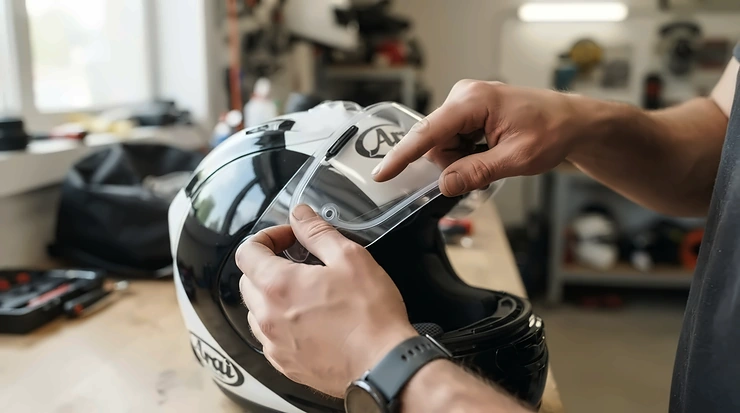
A pinlock insert for winter riding is a clear, moisture-absorbing lens that clips onto two pins inside a compatible motorcycle visor. Its silicone edge seals a pocket of air against the visor, much like double glazing, while the lens surface soaks up moisture from your breath. Together they stop cold weather visor fogging before it blinds you.
Anyone who has pulled away from a red light on a 3°C November morning and watched the world dissolve into milk knows the feeling. Your breath is warm and wet. The visor is cold and unforgiving. Physics does the rest. A pinlock insert for winter riding is about the closest thing to a cheat code the sport has produced, but only if you pick the right one.
This guide compares seven options: five inserts, one spray and one specialist lens. I haven’t ridden with any of them. What follows is analysis built from manufacturer specifications, UK retailer guides and published rider reports, not a diary of personal testing. Where I couldn’t verify real review data, I say so.
Fog is only one item on the winter checklist. This fire and rescue service winter riding advice lists thermal layers, waterproofs, neck and face protection from wind, and an unscratched visor among the essentials. Treat the insert as one piece of a wider cold weather riding gear plan. Whether you’re on a winter commuting motorcycle or planning a long tour, the same physics applies. The trick is matching the fix to the ride.
Pinlock Insert for Winter Riding: Quick Comparison Table
| Product | Anti-fog level | Fit type | Best For | Price range |
|---|---|---|---|---|
| Pinlock 200 XLT | Top tier (200) | Visor-specific, MaxVision | Harshest conditions, compatible shields only | Around £35-£45 |
| Pinlock 120XLT MaxVision | Advanced (120) | Visor-specific, pinned | All-round winter riders wanting best optics | Around £30-£40 |
| Pinlock 120 MaxVision | Advanced (120) | Visor-specific, pinned | Winter commuters and tourers on a tighter budget | Around £25-£35 |
| Pinlock 70 MaxVision | Everyday (70) | Visor-specific, pinned | Short, mild-weather commutes | Around £20-£30 |
| Fog City universal insert | Not tiered | Stick-on, universal | Visors with no pins | Around £15-£25 |
| Muc-Off Premium Anti-Fog Treatment | Treatment, not tiered | Spray-on | Backup, sun visors, glasses | Roughly £8-£13 |
| Pinlock Yellow Lens | Matches insert tier | Visor-specific, pinned | Overcast daytime contrast | Check helmet-specific listing |
Prices are indicative ranges at the time of research and vary by helmet model and retailer. Check current price and availability before buying.
Looking at the comparison above, the Pinlock 120XLT MaxVision is the most balanced choice for riders who log real miles between October and March. The Pinlock 70 MaxVision is perfectly sensible for short, mild-weather hops, while the Pinlock 200 XLT only makes sense if your exact visor supports it. The Fog City universal insert and Muc-Off Premium Anti-Fog Treatment exist for the riders whose helmets can’t take a pinned lens.
One note on the numbers. Pinlock’s four levels (30, 70, 120 and 200) indicate relative fog resistance, and a higher number means more moisture capacity. MaxVision and XLT aren’t extra performance levels. MaxVision describes a wider-coverage shape, and XLT describes better light transmission.
💬 Just one click — help others make better buying decisions too!😊
Top 7 Pinlock Insert for Winter Riding Picks: Expert Analysis
Seven options follow, ordered from the highest anti-fog tier down to the specialist extras. Each one comes with an honest take on who should buy it and why.
1. Pinlock 200 XLT — newest, highest anti-fog tier
This is the strongest fog-resistance level Pinlock has ever made, and it targets riders who refuse to compromise on capacity.
Pinlock describes a new material formula with deeper etching, producing a more open moisture-absorbing nanostructure, plus XLT-grade light transmission and a visor-specific MaxVision shape. In practice, a more open surface should hold more breath moisture before it saturates. That matters on a long, damp slog or when you’re breathing hard at junctions. Retailer coverage says it was unveiled at EICMA 2025 and reached the public in early 2026 after a MotoGP season of use.
Here’s what to weigh. The 200 only helps if your exact visor is designed for it, and Ruroc’s EOX 2.0 is one published example. If your helmet maker offers a 200-level lens and you ride all winter, it’s the logical ceiling. If you ride twenty-minute hops, you’re buying capacity you’ll rarely use.
Because the lens is so new, I couldn’t verify a meaningful body of independent long-term owner reviews. Early commentary is mostly manufacturer and retailer material, so treat superlatives with caution.
Pros:
- ✅ Highest anti-fog tier Pinlock currently offers
- ✅ XLT clarity suits dusk and night riding
- ✅ Tested through a full MotoGP season
Cons:
- ❌ Limited helmet compatibility so far
- ❌ Likely overkill for short urban hops
Price range: around £35-£45 at the time of research. The verdict is premium value, but only if your visor supports it.
2. Pinlock 120XLT MaxVision — the winter sweet spot
This is the tier where capacity and cost meet, which is why it’s my default suggestion for most riders.
A good example is the Pinlock 120XLT MaxVision (DKS612) listed for the LS2 Advant II. The 120 level is pitched at unpredictable weather. MaxVision means the lens fills a recess moulded into the visor for a wider fog-free field. XLT lifts light transmittance so colours look brighter and more natural, and Pinlock says the lens complies with ECE 22-06 for day and night use. That wider coverage matters more than it sounds. A narrow lens leaves a fog-prone strip right where your peripheral vision lives, and in winter dusk you want every degree.
Based on the spec comparison, UK winters are cold and damp rather than Arctic. A 120-level lens therefore gives you headroom without paying for race-level capacity. It is the sort of lens that earns its keep in January traffic.
Retailer and rider guides consistently place the 120 tier with winter commuting, touring and wet weather. I couldn’t verify a pooled customer rating, because listings are split by helmet model.
Pros:
- ✅ Strong moisture capacity for cold, wet rides
- ✅ Wide MaxVision field of view
- ✅ Bright, night-compatible XLT optics
Cons:
- ❌ Must match your exact visor part number
- ❌ Costs more than a standard 120
Price range: around £30-£40. The verdict is the best all-round value for serious winter use.
3. Pinlock 120 MaxVision — proven tier without the XLT premium
This gives you the same anti-fog tier as the XLT lens, minus the optical upgrade you may not need.
Examples include the DKS186 for AGV (Corsa R, Pista GP R, Pista GP RR, Race 3) and Arai-pin versions listed for models such as the Quantic and RX-7V. Note the pin differences. DKS186 uses a tear-off pin, while the Arai lenses need Arai-specific pins. Pinlock itself makes four pin types, all with an eccentric shape to adjust lens tension. The lesson is that compatibility is everything, so match your helmet and visor code before ordering.
Retailer guides make a point worth remembering: the plain 120 offers the same maximum anti-fog protection as the XLT, while XLT improves optical clarity. If your helmet’s catalogue only lists the standard 120, don’t agonise. You’re not missing fog protection, only a little optical polish.
Rider write-ups repeatedly describe the 120 tier as the one that stops visors fogging when riding gets slow, wet and cold. Again, I couldn’t verify a single pooled rating across helmet-specific listings.
Pros:
- ✅ Same anti-fog tier as the XLT lens
- ✅ Often cheaper than XLT versions
- ✅ Wide-screen MaxVision coverage
Cons:
- ❌ Slightly lower optical clarity than XLT
- ❌ Pin type varies, so wrong parts won’t fit
Price range: around £25-£35. The verdict is excellent value for the fog protection it delivers.
4. Pinlock 70 MaxVision — everyday commuter value
This is the sensible-shoes option, and plenty of riders genuinely never need more.
The 70 level offers noticeably stronger fog resistance than the entry-level 30. It’s usually visor-specific and commonly MaxVision. Many mid-priced helmets are supplied with one in the box, so check yours before buying anything. On a 15-minute commute in dry, cold weather, that moisture capacity is plenty. It runs short during long, wet rides, in standstill queues, or when you’re sweating under heavy layers. Those are exactly the conditions where a winter commuting motorcycle rider breathes hardest.
My honest take is to ride the 70 for a month. If it holds clear through your typical commute, save your money. If you find yourself cracking the visor at every set of lights, step up to a 120 lens.
One UK retailer guide pairs the 70 level with commuting, weekend rides and damp conditions, and the 120 with winter commuting and touring. That suggests real overlap, with the dividing line being ride length and humidity.
Pros:
- ✅ Often included with mid-priced helmets
- ✅ Adequate for short, mild-weather rides
- ✅ Cheapest pinned option to replace
Cons:
- ❌ Lower moisture capacity than 120 tiers
- ❌ Less margin on long, wet winter days
Price range: around £20-£30. The verdict is good value for short commutes.
5. Fog City universal insert — fits visors with no pins
This is the rescue option for helmets that were never prepared for a Pinlock.
UK retailer guidance says Oxford produces Fog City inserts. They’re adhesive stick-on lenses sold in a large shape for full-face, open-face, flip-up and jet helmets, plus an Enduro shape. One listing describes the adhesive as re-adjustable after fitting. In practice, that gives a pinless visor the same double-layer idea: an air gap and an anti-fog surface. For a rider on a budget helmet, that could be the difference between riding and quitting November.
The trade-off is that you’re relying on adhesive rather than a pinned, tensioned seal. Misapplied, it can lift at the edges and let moist air creep in. The evidence on lifespan is anecdotal. One rider-forum thread claims these inserts last around two to three months compared with four to six for a Pinlock, though they note the residue wipes off easily. Treat that as one rider’s report, not a lab result.
Pros:
- ✅ Fits almost any visor, pinned or not
- ✅ Re-adjustable adhesive eases fitting
- ✅ Cheap way to try an insert
Cons:
- ❌ Reported shorter lifespan than pinned lenses
- ❌ Adhesive seal needs careful fitting
Price range: around £15-£25. The verdict is a pragmatic fix if your helmet lacks pins.
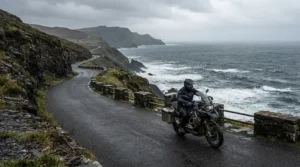
6. Muc-Off Premium Anti-Fog Treatment — the cheap backup
Think of this as a pocket-sized insurance policy rather than a replacement for an insert.
Motorcycle News’ anti-fog buying guide features a reviewer who used Muc-Off Anti-Fog for six months and 3,500 miles. They found it effective, needing reapplication, and arguably better at night than an insert, which can create reflections from streetlights. A separate review notes Muc-Off claims one application lasts up to a few days. It worked well on a sun visor, a notoriously fog-prone surface in winter.
The honest ceiling is shown in a rider-written comparison. Premium sprays gave roughly two to three hours of clear vision, and heavy rain overwhelmed all products within about half an hour. For short rides it’s brilliant. For a wet motorway day it’s a supplement, not a solution. It also earns its place for glasses wearers and anyone whose visor can’t take an insert.
Pros:
- ✅ Very cheap and pocketable
- ✅ Works on sun visors and glasses
- ✅ No insert reflections at night
Cons:
- ❌ Needs frequent reapplication
- ❌ Struggles in heavy, sustained rain
Price range: roughly £8-£13. The verdict is a cheap, useful backup.
7. Pinlock Yellow Lens — contrast booster for gloomy days
Winter riding isn’t only about fog. It’s also about grey light, and this lens tackles that.
Pinlock says its yellow insert enhances depth perception in overcast conditions, with more contrast to define road objects in rain or fog. It works as a pinned insert, so it carries the same double-layer logic. In practice, it can make potholes and wet road markings pop on a flat-light January afternoon.
There’s a firm caveat. UK safety guidance for riders is to use a clear visor in darkness or poor visibility. A tinted lens belongs in daylight only, and if your commute runs after sunset, it isn’t your everyday insert. Check the lens against your helmet’s approval and your riding hours before buying.
I couldn’t verify a meaningful body of customer reviews specific to winter use, so treat it as a niche accessory rather than a proven winter staple.
Pros:
- ✅ Boosts contrast in overcast daylight
- ✅ Pinned fit with insert-style fog protection
- ✅ Swappable with a clear lens
Cons:
- ❌ Unsuitable for darkness or poor visibility
- ❌ Limited verified review data
Price range: check the helmet-specific listing. The verdict is a niche daytime extra, not a primary winter insert.
How to Fit and Look After a Pinlock Insert for Winter Riding
Even the best pinlock insert for winter riding underperforms if it’s fitted badly. This is the practical guide the product listing never gives you, based on manufacturer guidance:
- Prep the visor. Clean the inside gently with mild soapy water and a soft cloth, then let it dry. Scratches and grime ruin the seal.
- Set pin tension first. Pinlock’s own guidance is to adjust the eccentric pins with the lens out of the visor. Too tight can warp the lens, and too loose leaves a gap.
- Seat the lens. Handle it by the edges and slot it over both pins. Check the silicone bead sits flat all the way round.
- Test the seal. Close the visor and look for gaps. The visor may mist slightly, but the insert area should stay clear.
- Dab, don’t wipe. Wet gloves and rubbing can mark the lens surface. Blot water drops and avoid solvents. Check your manual before using sprays, because treatments can coat the absorbing surface.
For maintenance, let the insert dry fully after wet rides. Don’t leave a damp lens sealed in a closed visor overnight, because it will start the next ride half-saturated. Inspect the silicone bead for nicks, and replace the lens if the seal no longer sits flat. Common first-30-days mistakes include over-tightening the pins, picking at the seal, and cleaning with kitchen products.
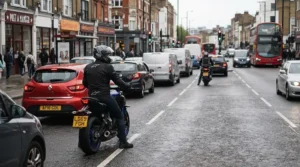
Real-World Scenarios: Three Riders, Three Setups
The right pinlock insert for winter riding depends on who’s riding, where and how often. Here are three profiles with matched recommendations.
The budget commuter. Twelve miles each way, mixed town and A-road, five days a week, October to March. A mid-range helmet already ships with a lens, probably at the 70 level. Start there, and keep a small spray as backup. If the visor still mists at standstill after a month, upgrade to the Pinlock 120 MaxVision for your visor, which costs a fraction of a new helmet.
The year-round tourer. Long motorway days, damp mornings and hard-breathing climbs, with a premium helmet. This rider benefits from the Pinlock 120XLT MaxVision, or the Pinlock 200 XLT if the visor supports it. The extra capacity buys safety margin on days when stopping to clear fog isn’t practical.
The glasses wearer on a pinless helmet. Glasses fog from rising breath, and the visor fogs too. The Fog City universal insert handles the visor side, while Muc-Off Premium Anti-Fog Treatment can tackle the glasses. Retailer advice is to treat prescription lenses with a spray while using an insert for the visor.
Problem → Solution Guide: When Cold Weather Visor Fogging Persists
Even with an insert, cold weather visor fogging can creep back. Here are five common problems and how to deal with them:
- Fog on the outer visor only. That’s normal. The insert protects the inner surface, so the area under the lens should stay clear.
- Insert fogs after a long, wet ride. The lens has saturated, so crack the visor briefly to let it dry, or consider a higher tier like the Pinlock 120XLT MaxVision.
- Fog appears at every red light. Breath is hitting the lens with no airflow. Open the visor to its first notch before you fully stop.
- Mist between visor and insert. The seal has lifted or the silicone is damaged. Refit the lens or replace it.
- Glasses fog while the visor stays clear. This is a separate problem. Treat the lenses with a spray such as Muc-Off Premium Anti-Fog Treatment, and keep thick fabric from trapping breath under the chin bar.
Every fix here ties back to the same rule. Control the moisture, then protect the seal.
How to Choose a Pinlock Insert for Winter Riding
Choosing well takes six steps:
- Confirm your visor is Pinlock-ready. Look for the two pins. No pins means you need a stick-on alternative like the Fog City universal insert.
- Match the part number. Inserts are helmet- and visor-specific, so the wrong one won’t seat.
- Pick your tier by ride length and humidity. Short and dry suits 70, wet and long suits 120, and extreme conditions suit 200 where available.
- Choose MaxVision where offered. It widens your clear field and costs little extra.
- Decide whether XLT matters. If you ride at dusk or after dark, better light transmission is worth paying for.
- Plan a backup. A small spray costs very little and covers glasses and sun visors.
Treat this list as a filter, not a ranking. A rider with a compatible 120XLT lens and good habits will beat a rider with a 200 lens and a lifted seal.
Cold Weather Visor Fogging: Why It Happens and Why Winter Makes It Worse
Cold weather visor fogging comes down to simple physics. Fog forms when warm, moisture-heavy breath meets a visor surface colder than the air inside the helmet. Winter stacks the odds. The outside air is colder, so the visor is colder. You may be wearing thick layers that trap breath, and wet weather raises humidity before you even start.
Dew point is the key concept. Lower the humidity of the air touching the visor, and the same cold surface no longer reaches condensing temperature. That’s why vents, airflow and insert capacity all matter. An insert interrupts the contact between warm air and the cold outer shield, and it absorbs some of the moisture too.
This is also why riders sometimes get fogging when stationary but not at speed. At speed, airflow moves moisture away. At a standstill it lingers. A closed chin vent, a bunched scarf or a heavy breath at a junction can tip things over. Understanding that mechanism makes the fixes obvious, and it explains why the insert, your vents and your habits all have to work together.
Pinlock Insert for Touring Motorcyclists: What Long Days Demand
A pinlock insert for touring motorcyclists faces a tougher job than a commuter’s. Long days mean hours of continuous breathing into a closed visor, with changing temperatures between valleys and hilltops. Rain turns humidity up, and fatigue makes any visibility loss more dangerous.
For this reason, the 120 tier or above is the sensible baseline. Retailer guides specifically recommend 120-level lenses for touring riders, cold rain and high humidity. The Pinlock 120XLT MaxVision offers the best balance of capacity and optics, and the Pinlock 200 XLT is the premium choice if your visor supports it.
There are practical habits too. Carry a spare, dry microfibre cloth for the outer visor only. Pull in somewhere sheltered and let the insert dry before it saturates. Keep Muc-Off Premium Anti-Fog Treatment for sun visors and glasses. A tourer’s biggest enemy is the long, damp stretch with no chance to stop, so capacity matters more than price. Think of a pinlock insert for touring motorcyclists as safety equipment rather than a gadget.
Winter Commuting Motorcycle: Fog-Proofing the Daily Slog
A winter commuting motorcycle rider faces a particular pattern: warm indoor start, cold outdoor ride, stop-start traffic and frequent standstills. Each stop removes the airflow that keeps fog at bay, and each restart brings damp, cold air back in.
For most commuters, the practical answer is a 70 or 120 tier lens matched to the length of the ride. A 15-minute dry commute is comfortably handled by the Pinlock 70 MaxVision. Longer or wetter commutes justify a Pinlock 120 MaxVision. If the helmet has no pins, the Fog City universal insert is a workable alternative.
Habits help as much as hardware. Don’t put your helmet on until you’re ready to ride. Breathing into it indoors loads the lens with moisture before you’ve left the house. Crack the visor at traffic lights before fog builds. A winter commuting motorcycle setup should also keep the chin vent open, because shutting it for warmth is a classic mistake. Insulate the neck instead.
✨ Ready to Clear Up Your Winter Vision?
🔍 Take your winter riding to the next level with these carefully selected products. Click on any highlighted item to check current pricing and availability. A well-chosen insert will help you ride the cold months with confidence and clarity!

Pinlock Insert vs Anti-Fog Sprays and Films
How do the main approaches compare? The table below sets out the trade-offs.
| Option | How it works | Durability | Best For |
|---|---|---|---|
| Pinlock 120XLT MaxVision | Sealed air gap plus absorbing lens | Long, until the lens degrades | Regular winter riders |
| Fog City universal insert | Stick-on lens with air gap | Shorter, per rider reports | Pinless visors |
| Muc-Off Premium Anti-Fog Treatment | Surface treatment | Hours to days per application | Backup and glasses |
A fair reading of the table is that the pinned insert wins on reliability, while the spray wins on cost and flexibility. Motorcycle News’ review of Muc-Off’s anti-fog spray describes it as an inexpensive option for visors with no Pinlock provision. The Fog City universal insert sits in the middle, offering the insert principle without needing pins.
The distinction matters because the two mechanisms work differently. A pinlock insert for winter riding combines insulation and absorption. A spray changes how water behaves on the surface, so it can’t insulate the visor from the cold. For regular cold-weather riders, retailers and rider tests consistently favour the insert, with sprays positioned as a backup.
Visor Demisting: Habits and Hardware That Back Up Your Insert
Visor demisting isn’t just about the lens. It’s a system of small habits that stack together.
- Use the vents properly. The chin vent aims outside air at the inside of the visor, and riders often shut it in winter to stay warm. Keep it open and insulate your neck instead.
- Crack the visor at stops. The first detent is usually enough to break the misting cycle before it builds.
- Mind your layers. Thick fabric bunched under the chin bar can trap exhaled breath inside the helmet.
- Breathe smart. Breathing through the nose for the first few seconds helps you spot early misting.
- Check the visor itself. Scratches and worn seals reduce the effect of any insert.
Good visor demisting also means not riding through a fogged visor because you’re nearly home. Pull in and clear it. A foggy visor is a safety issue, not an inconvenience. If your visor demisting routine keeps failing, the problem is usually capacity (step up a tier), seal (replace the lens) or airflow (open the vent).
Winter Riding Anti-Fog Gear and Cold Weather Riding Gear: Features That Actually Matter
The market for winter riding anti-fog gear is full of marketing noise. Here’s a filter for what genuinely matters in your cold weather riding gear and what doesn’t.
Features that matter:
- A pinned visor and a matched insert. This is the foundation of any winter riding anti-fog gear plan.
- A well-fitting helmet with a good seal. A properly fitted helmet is safer and usually easier to manage in changing weather.
- A breath-control layer. A neck warmer or balaclava that keeps wind out without blowing breath upward.
- Adjustable venting. Your helmet should offer a chin vent and visor detents you can operate with gloves.
Features that matter less:
- Exotic coatings promising permanent fog protection. Treat these claims sceptically.
- Over-thick face masks. They often trap breath and worsen fogging.
- Tint-heavy visors for winter. They reduce visibility in low light.
The best cold weather riding gear keeps you warm without sabotaging airflow. A warm rider with a fogged visor isn’t safe, and neither is a clear-visored rider with numb hands. Balance matters.
Long-Term Cost & Maintenance
Is a pinlock insert for winter riding worth the money? Spread across a season, the cost per ride is small.
| Option | Typical cost | Replacement rhythm | Best For |
|---|---|---|---|
| Pinlock 120 MaxVision | Around £25-£35 | Seasonal to every few seasons, as condition dictates | Long-term winter use |
| Fog City universal insert | Around £15-£25 | More frequent, per rider reports | Short-term or pinless fix |
| Muc-Off Premium Anti-Fog Treatment | Roughly £8-£13 | Reapplied regularly | Occasional backup |
On paper the cheapest option isn’t always the cheapest in use. A spray needs constant reapplication, and a stick-on lens may need replacing sooner. A pinned lens costs more upfront but tends to last longer, so the total cost of ownership often favours it for daily winter riders. Anecdotal rider reports suggest Pinlock lenses last several months, but they often go when the visor itself is replaced.
Maintenance is minimal: dry the lens, protect the seal and replace on wear. Prices are indicative and change often, so check current price before buying. A pinlock insert for winter riding is a modest cost relative to a helmet, and it affects safety every single ride.
Safety, Regulations and Compliance for UK Riders
Fog is a safety matter, and the rules reflect that. Rule 83 of the Highway Code’s rules for motorcyclists says riders must wear a protective helmet that complies with the regulations and is securely fastened. It also tells you to check before each journey that your visor is clean and in good condition. A fogged or scratched visor doesn’t meet the spirit of that advice.
Helmet standards matter too. UK guidance recognises helmets meeting UNECE 22.05, UNECE 22.06 or BS 6658:1985 with the BSI Kitemark. Any pinlock insert for winter riding should be a lens designed for your visor, and XLT lenses are described by Pinlock as compatible with ECE 22-06 for day and night use.
Tinted inserts need extra care. UK safety guidance is to use a clear visor in darkness and poor visibility, so a yellow or smoked lens isn’t a night-time option. If in doubt, choose clear. Keep inserts in good condition, replace a damaged lens, and never ride with a fogged visor you can’t see through.

Frequently Asked Questions
❓ Can I fit a pinlock insert to any helmet visor?
❓ How long does a pinlock insert last in winter?
❓ Is a 120 tier lens worth it over a 70 for UK winters?
❓ Can I use anti-fog spray on a pinlock insert?
❓ Why does my insert still fog on a winter commuting motorcycle?
Conclusion
Winter riding rewards the prepared. Fog is predictable physics, and the fix is a combination of the right lens, good habits and sensible cold weather riding gear. A pinlock insert for winter riding is the cornerstone of that combination, because it insulates and absorbs at the same time.
To recap the picks: the Pinlock 120XLT MaxVision is the best all-round choice for serious winter riders, and the Pinlock 120 MaxVision delivers the same fog tier for less. The Pinlock 70 MaxVision covers short, mild commutes, while the Pinlock 200 XLT is the premium option if your visor supports it. The Fog City universal insert rescues pinless helmets, Muc-Off Premium Anti-Fog Treatment makes a handy backup, and the Pinlock Yellow Lens is a daytime niche extra.
Match the tier to your ride length, check your visor’s part number, and back the lens up with good vent habits. Do that, and a pinlock insert for touring motorcyclists or commuters alike can turn a miserable misted-up crawl into a clear, confident ride.
Recommended for You
- Pinlock Insert Under £15: 7 Smart Budget Picks (2026)
- Pinlock Insert Fitting Kit: 7 Best Picks For UK Riders (2026)
- Photochromic Motorcycle Visor: 7 Best Picks For UK Riders (2026)
Disclaimer: This article contains affiliate links. As an Amazon Associate, I earn from qualifying purchases. If you purchase products through these links, we may earn a small commission at no additional cost to you.
✨ Found this helpful? Share it with your friends! 💬🤗
