In This Article
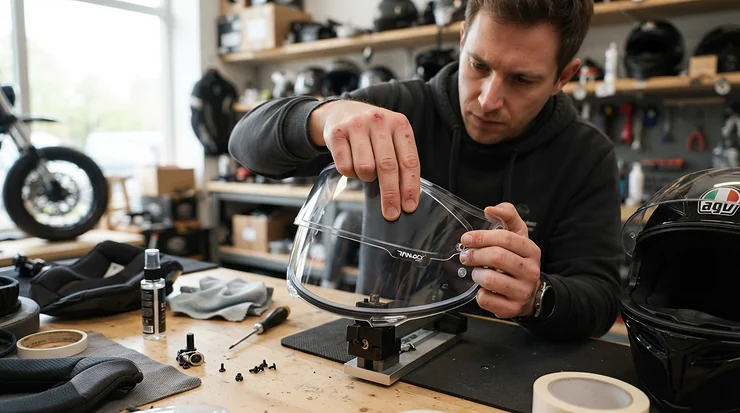
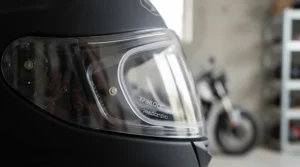
A pinlock anti-fog insert is a clear, moisture-absorbing lens that clips inside a motorcycle helmet visor on two small pins. A silicone seal around its edge traps a layer of still air, creating a double-glazed window. Your breath then condenses on a surface that stays dry, instead of on a cold visor.
Anyone who has crawled through a drizzly November commute with a visor cracked open and their ears freezing knows the problem. Fog doesn’t ask permission. It arrives at the worst moment, at a junction or a roundabout, usually just as a van decides to pull out. Fixing it is a safety matter, not a comfort upgrade.
Before you spend anything, check the legal basics. GOV.UK’s motorcycle helmet guidance says visors must meet an approved British, UNECE 22.05 or 22.06 standard. A genuine pinlock anti-fog insert is made to sit inside an already-approved visor. It doesn’t replace it.
Here is the plan. We’ll look at seven real inserts across budget, mid-range and premium. Then we’ll unpick how the system works, why visors fog, and when a spray or coating makes sense instead. Prices below are ranges only, so check the current listing before you buy. Availability on Amazon varies by helmet model, and the exact lens code matters far more than the brand name on the box.
Quick Comparison: Pinlock Anti-Fog Insert Picks at a Glance
| Product | Fog Level | Lens Tint | Fits | Best For |
|---|---|---|---|---|
| Scorpion EXO-Tech Evo Pinlock 70 | 70 | Clear | Scorpion EXO-Tech Evo visors (DKS243) | Daily commuters on a budget |
| LS2 Advant Pinlock 120 | 120 | Clear | LS2 Advant Pinlock-ready visors (DKS471) | Value-focused all-year riders |
| HJC RPHA 12 Pinlock 120 | 120 | Clear | HJC HJ-42 Pinlock-ready visors | HJC owners wanting top-tier fog resistance |
| HJC RPHA 11/70 Yellow Pinlock 120 | 120 | Yellow | HJC Pinlock-ready visors | Grey, wet, low-light riding |
| AGV K6 Pinlock 120 Dark Smoke | 120 | Dark smoke | AGV K6 / K6 S (DKS246) | Bright, sunny daytime touring |
| Alpinestars Supertech R10 / R7 Gen 2 Pinlock 120XLT | 120 XLT | Clear | Supertech R10 / R7 Gen 2 | Track-day and sport riders |
| Scorpion EXO-Race Air Pinlock 200 | 200 | Clear | Scorpion EXO-Race Air (DKS618) | Riders wanting the newest top tier |
The big takeaway is that the number on the lens, not the price, tells you the fog resistance. The LS2 Advant Pinlock 120 gives you the 120 tier at a modest outlay, while the Scorpion EXO-Race Air Pinlock 200 sits above it for riders who want the newest tier. If you ride mostly short, dry urban trips, the Scorpion EXO-Tech Evo Pinlock 70 may be all you ever need.
💬 Just one click — help others make better buying decisions too!😊
Top 7 Pinlock Anti-Fog Insert Options: Expert Analysis
Every insert here is a genuine Pinlock-type lens made for a specific visor. That’s the part many buyers miss. A lens only works if it matches your helmet’s visor shape and pin type, so always match the helmet model before the performance tier.
1. Scorpion EXO-Tech Evo Pinlock 70 — dependable everyday fog protection
The Pinlock 70 tier is pitched at daily riding rather than extreme weather, and that’s an honest description of its job.
This lens carries the DKS243 code and uses a three-component pin. It’s MaxVision, meaning it covers a wide area of the visor’s eyeport rather than a small central patch. In practice, that wide coverage matters at junctions. Your peripheral vision stays clear when you turn your head to check a blind spot.
On paper, the 70 level gives up some moisture-absorbing headroom compared with a 120. Based on the spec comparison, that matters most if you ride long wet motorways at low temperatures. For a 20-minute commute, a correctly fitted 70 is usually enough. Riders who stop often, such as couriers and delivery riders, should think harder about stepping up.
I couldn’t verify a meaningful body of independent UK customer reviews for this specific lens. So I’m not going to describe what “reviewers say.” Judge it on its published specification.
Pros:
- ✅ Wide MaxVision coverage across the eyeport
- ✅ Suited to daily commuting rather than extremes
- ✅ Lower cost than 120-tier lenses
Cons:
- ❌ Less moisture headroom in prolonged cold, wet riding
- ❌ Fits only Scorpion EXO-Tech Evo visors
Price: roughly £25-£40 depending on retailer; check current price. It’s good value if your riding is mostly short and mild.

2. LS2 Advant Pinlock 120 — best value 120 tier for LS2 owners
The standout here is how much of the top Pinlock performance you get for an ordinary spend.
The genuine DKS471 lens fits LS2 Advant helmets, and the retailer listing is clear that it works only with genuine LS2 Pinlock-ready visors. It’s a 120-tier MaxVision lens, so you’re getting the moisture-absorbing plastic and silicone seal at the level the sport-riding crowd favours.
The 120 tier matters when you can’t control the conditions. Think a frosty 7am start followed by a sunny afternoon. A thicker, more absorbent lens simply takes longer to saturate. It’s the sensible default if you ride year-round and don’t want to think about it.
Review evidence is thin, so I’ll keep it honest. At the one retailer I checked, a single verified buyer of this exact lens said it fitted well and stopped fogging. For the sister Advant X lens, one reviewer reported very slight steaming around the bottom of the visor despite a clear improvement. That’s a useful reminder that fit and seal quality decide the result.
Pros:
- ✅ 120-tier performance at a mid-range outlay
- ✅ Genuine part matched to the Advant visor
- ✅ Wide MaxVision field of view
Cons:
- ❌ Only compatible with genuine LS2 Pinlock-ready visors
- ❌ Few independent reviews to lean on
Price: around the low-to-mid £30s at retailer listings I saw; prices may vary. Strong value if you own the helmet.
3. HJC RPHA 12 Pinlock 120 — top-tier fog resistance for HJ-42 visors
Its main selling point is dependable 120 performance with a straightforward, owner-friendly fit.
This clear lens is a Pinlock 120 MaxVision insert for the HJ-42 visor. The retailer listing states it’s compatible only with genuine HJC Pinlock-ready visors. It also notes the lens can be cleaned with lukewarm water, mild soap and a damp non-abrasive cloth. That cleaning advice isn’t trivial, because most lens failures come from rubbing the surface.
Think of it as the safe middle path. You get the same tier used by the racing fraternity without paying for the newest tier. Based on the spec comparison, the main trade-off is fit. If your visor isn’t the HJ-42, the lens simply won’t seat properly, which is why checking the visor code beats checking the helmet name.
I couldn’t find verified customer reviews for this exact listing. So I’m not quoting any.
Pros:
- ✅ Pinlock 120 fog performance level
- ✅ Clear lens suits all-day use
- ✅ Easy-clean surface with simple care
Cons:
- ❌ Compatible only with genuine HJ-42 Pinlock-ready visors
- ❌ No verifiable review pool found
Price: roughly the mid-£30s to mid-£40s range; check current price. A solid mid-range pick for HJC riders.
4. HJC RPHA 11/70 Yellow Pinlock 120 — best for flat grey light
Yellow tint sets this lens apart, and it earns its place in murky weather.
It’s a Pinlock 120 MaxVision lens in yellow, aimed at rainy or foggy conditions. The retailer says it’s for genuine HJC Pinlock-ready visors. A yellow tint raises perceived contrast in flat light, so wet tarmac, road markings and puddles can stand out more. It’s why many riders keep a yellow lens for winter.
Here’s what to weigh, though. A tint is a daytime and dusk tool. If your commute finishes after dark, a clear lens is the safer option, and swapping lenses is easy because the pins hold them in place. Treat a yellow lens as a seasonal swap, not an all-year fixture.
Verified reviews are few. Two buyers at one UK retailer both rated it five stars. One praised how easy it was to install, and both liked the tint, though that’s a very small sample.
Pros:
- ✅ Yellow tint helps contrast in flat light
- ✅ Same 120 fog performance tier
- ✅ Easy to swap with a clear lens
Cons:
- ❌ Not ideal for night riding
- ❌ Limited to HJC Pinlock-ready visors
Price: around £30 on the retailer RRP I saw; prices may vary. Great value as a second lens.
5. AGV K6 Pinlock 120 Dark Smoke — fog control with built-in sun shade
The unusual angle is getting anti-fog and glare reduction in a single insert.
This DKS246 lens fits the AGV K6 and K6 S, uses a three-component pin and sits at the 120 tier. The dark smoke tint cuts glare on bright days, so you may not need a separate sun visor or tinted outer shield. That’s clever for touring, where conditions swing from bright motorway to shaded forest.
But a dark insert behind a clear visor is a daytime solution. The ECE 22.06 rules set a minimum for light transmission, and tinted lenses can drop quite low. Treat this as sunny-day kit and keep a clear lens for tunnels, dusk and winter evenings.
I couldn’t verify independent review data for this exact tint, so I’ll avoid summarising sentiment.
Pros:
- ✅ Fog resistance plus glare reduction in one lens
- ✅ 120-tier performance for variable weather
- ✅ Fits both K6 and K6 S visors
Cons:
- ❌ Too dark for dusk or night riding
- ❌ Specific to AGV K6 / K6 S visors
Price: roughly £35-£50, though stock and pricing vary; check current price. Good value for sunny-climate tourers.

6. Alpinestars Supertech R10 / R7 Gen 2 Pinlock 120XLT — premium optics for track use
What distinguishes it is XLT optics, which prioritise brighter, truer colours.
This is a Pinlock 120XLT lens for the Supertech R10 and R7 Gen 2 range. The listing says XLT allows higher light transmittance, so colours look brighter and more natural. It also says XLT lenses can be used day and night within the ECE 22-06 standard. It uses a tear-off pin developed for the track. Tear-off pins let you rip off a contaminated visor layer mid-session.
Is it worth it? If you’re a track rider or fast sports-tourer, the sharper optics and tear-off compatibility make sense. For a commuter in a standard road helmet, you’d pay for features you can’t use. What most buyers overlook is that the pin system is part of the package. The lens alone won’t suit a different visor.
No verified customer reviews turned up, so I’m not claiming any.
Pros:
- ✅ XLT optics for brighter, more natural colour
- ✅ Approved for day and night use
- ✅ Tear-off pin compatibility for track riding
Cons:
- ❌ Costs more than road-focused 120 lenses
- ❌ Fits only Supertech R10 / R7 Gen 2
Price: around the £50-£65 range (converted from the US listing; UK stock may differ). Worth it only for sport and track riders.
7. Scorpion EXO-Race Air Pinlock 200 — the newest top performance tier
Its headline is the Pinlock 200 level, currently the company’s highest.
The DKS618 lens is MaxVision, uses a three-component pin and is described by Pinlock as being for “unmatched anti-fog performance in the most demanding weather conditions.” One independent retailer guide describes the 200 as a distinct new tier rather than a renamed 120. It’s also shown on helmets such as the Nexx X.R3R and Scorpion EXO-GT Jet.
The honest view is that it’s new, so long-term durability data is thin. If you ride winter motorways at dawn, the extra headroom is attractive. If you’re happy with a 120, there’s little to gain. Premium tiers reward riders who push the limits of the system, not those riding in moderate conditions.
I found no independent reviews, and I won’t invent any.
Pros:
- ✅ Highest Pinlock fog performance tier
- ✅ Wide MaxVision coverage
- ✅ Suits demanding winter and wet conditions
Cons:
- ❌ New tier with little long-term track record
- ❌ Limited helmet compatibility so far
Price: expect a premium over 120-tier lenses; check current price. Sensible for hardcore all-weather riders.
Top 7 Comparison: Specs, Price Ranges and Evidence
| Product | Level | Technology | Price Range | Review Evidence | Best For |
|---|---|---|---|---|---|
| Scorpion EXO-Tech Evo Pinlock 70 | 70 | MaxVision | ~£25-£40 | None verified | Daily commuting |
| LS2 Advant Pinlock 120 | 120 | MaxVision | Low-to-mid £30s | Few positive retailer reviews | Value all-year use |
| HJC RPHA 12 Pinlock 120 | 120 | MaxVision | ~£35-£45 | None verified | HJC owners |
| HJC RPHA 11/70 Yellow Pinlock 120 | 120 | MaxVision, yellow | ~£30 | Two positive retailer reviews | Grey, wet days |
| AGV K6 Pinlock 120 Dark Smoke | 120 | MaxVision, smoke | ~£35-£50 | None verified | Sunny touring |
| Alpinestars Supertech R10 / R7 Gen 2 Pinlock 120XLT | 120 XLT | MaxVision, XLT | ~£50-£65 | None verified | Track and sport |
| Scorpion EXO-Race Air Pinlock 200 | 200 | MaxVision | Premium | None verified | Extreme weather |
Look at the review column and you’ll spot the real story. Independent review volume is small for niche lenses, which is why matching the spec to your riding matters more than chasing star ratings. The LS2 Advant Pinlock 120 and HJC RPHA 12 Pinlock 120 are the safest all-rounders. The Scorpion EXO-Race Air Pinlock 200 is for riders who’ve already outgrown a 120.
Pinlock System Overview: How the Double-Glazing Works
This pinlock system overview boils down to two principles working together. First, the lens surface is made of moisture-absorbing plastic. It attracts and stores water molecules from your breath, so it stays effectively dry. Second, a silicone seal around its edge forms an airtight pocket against the visor, which acts as a thermal barrier.
Think of your house windows. Single glazing fogs and drips because one cold pane meets warm room air. Double glazing keeps the inner pane warmer because the trapped gap insulates it. A pinlock anti-fog insert does the same job, with the bonus that the inner “pane” soaks up moisture.
Two small pins on the visor hold the lens in place. You adjust tension so the seal makes even contact all the way around. Too loose, and humid air sneaks behind the lens. Too tight, and you can warp the lens or stress the visor.
The system only works as a whole. A damaged seal or a saturated lens can undo the benefit. That’s why a correctly fitted 70 can beat a badly seated 120, a point echoed by retail experts who stress fit above tier. It’s also why swapping to a different brand’s lens “that looks close enough” is a false economy.
Visor Fogging Causes: Why Your Visor Mists Up
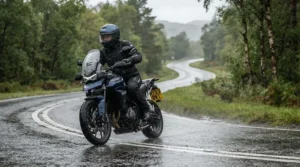
Understanding visor fogging causes makes everything else easier. Fog forms when warm, humid air from your breath hits a cold visor. The surface temperature sits below the air’s dew point, so water vapour condenses into tiny droplets that scatter light and wreck your view.
Several things make it worse. Cold weather chills the visor. Rain cools it further and raises ambient humidity. Low speed or standing still cuts airflow, so there’s nothing to carry moist air away. Breathing out through your nose pushes humid air straight up into the eyeport. Even a damp helmet lining or a sweaty ride adds moisture to the mix.
Contamination plays a quiet role. Oils from skin, fingerprints and cleaning residue give water something to cling to, so droplets form faster. A visor that’s merely dirty can fog sooner than a clean one.
This is why fixes differ in effectiveness. Ventilation helps, but opening a vent in winter means a cold face. A breath guard redirects air, but only partly. A pinlock anti-fog insert tackles the cause itself, the cold inner surface, by replacing it with a warmer, absorbent one. That’s a big reason it has become standard kit on so many road helmets.
Anti-Fog Insert Technology Explained: 30, 70, 120, 200 and XLT
This section covers anti-fog insert technology explained in plain English. Pinlock splits road lenses into performance tiers. According to one UK-facing retail guide, the current range runs from Pinlock 30 to 70, 120 and the newly released 200. The number reflects relative fog resistance, not thickness or price alone.
Here’s the practical breakdown:
- 30: Essential protection for mild, dry conditions.
- 70: Reliable everyday performance for commuting and weekend riding.
- 120: Advanced performance for unpredictable weather, widely used by racers.
- 200: The newest and highest tier, aimed at the most demanding conditions.
Shark’s own guidance describes the 70 as ideal for daily use and touring, and the 120 as thicker, with maximum field of vision. Pinlock’s own product pages explain the shared principles: moisture-absorbing surface, airtight seal and MaxVision coverage.
MaxVision and XLT are add-ons, not tiers. MaxVision extends fog-free coverage across the visor’s eyeport thanks to a recess designed into the visor. XLT is an optical technology that increases light transmittance, so colours appear brighter and more natural. A “120XLT” is therefore a 120-level lens with better optics.
The sensible way to use all this is to pick the tier from your riding, then confirm the lens code for your visor. Tier decides performance. Code decides whether it fits.
Pinlock Insert vs Anti-Fog Spray: Which Wins?
The pinlock insert vs anti-fog spray debate comes down to how each product works. A spray leaves a thin surfactant film that spreads condensation into a clear sheet rather than beads. An insert prevents condensation from reaching a cold surface at all. One manages fog. The other designs it out.
| Feature | Pinlock Anti-Fog Insert | Anti-Fog Spray | Best For |
|---|---|---|---|
| How it works | Double-glazing plus absorbent lens | Surface film spreads droplets | Insert for all-weather; spray for emergencies |
| Longevity | Seasons if cared for | Hours to days | Insert for regular riders |
| Upfront cost | Higher | Low | Spray for tight budgets |
| Effort | Fit once, clean carefully | Reapply often | Insert for low maintenance |
| Visor risk | Requires matching visor | Can streak or mark coatings | Insert for optical clarity |
In a pinlock insert vs anti-fog spray comparison, the insert wins for anyone riding regularly in the UK’s damp climate. It lasts far longer and needs no repeated application. The spray earns its keep as a cheap fallback for a visor with no pin system, or as a stopgap until your lens arrives. Avoid layering spray on top of a lens. It can compromise the moisture-absorbing surface.
Anti-Fog Coating Alternatives: What Else Is Out There?
If a pinlock anti-fog insert isn’t an option, anti-fog coating alternatives exist. Some visors ship with a factory anti-fog coating on the inner face. It works by making water spread, not bead, and helps in mild conditions. The catch is that coatings wear with cleaning, so performance drifts over time.
Aftermarket coatings and wipes follow the same principle. They’re cheap and quick, but you’re relying on a thin film that wipes off. That’s fine for an occasional damp ride, less so for an all-winter commuter. Be cautious with household “hacks” such as soap or shaving foam. They can streak, smear at night and may damage delicate coatings, so I’d skip them.
Mechanical options also help. A breath deflector or nose guard redirects exhaled air away from the visor. A chin curtain reduces airflow upward. Some helmets offer a visor “defog” notch that holds the shield slightly open. These reduce fogging without removing the cold-surface problem.
Here’s the honest ranking. For all-weather reliability, an insert comes first. Coatings sit in the middle for light use. Mechanical aids are best as supplements. Stack them wisely, but avoid chemical products on a Pinlock lens, whose absorbent surface is the whole point.
How to Choose a Pinlock Anti-Fog Insert
Choosing well is mostly elimination. Work through these steps in order:
- Identify your visor, not just your helmet. Check the model and visor code. A lens fits only specific visors, so this decides everything else.
- Confirm the visor is Pinlock-ready. Look for the two pin posts. Without them, a lens can’t be fitted.
- Pick a performance tier from your riding. Choose 70 for short, mild trips and 120 for year-round or touring. The 200 suits extreme conditions.
- Decide on tint. Clear is the safe all-rounder. Yellow helps in murky light. Dark smoke is for bright days only.
- Check the pin type. Pins vary by visor, such as one-, two- or three-component designs. The listing should state which applies.
- Consider extras. XLT optics or tear-off compatibility matter mainly for sport and track.
- Buy genuine. Look-alike lenses often fit poorly and seal badly, which defeats the purpose.
If a helmet already includes a lens in the box, which Pinlock says is the case for most helmets, you may only need a spare or a tinted alternative.
Fitting and Maintaining Your Pinlock Anti-Fog Insert: A Practical Guide
Most failures come from fitting, not the product. Follow this routine for dependable results.
First fit. Clean the visor and lens with lukewarm water and a drop of mild soap. Use a soft, non-abrasive cloth. Place the lens onto the pins so its notches seat over them, then press the silicone edge gently so it contacts the visor all the way round. Check there are no gaps or creases.
Adjust the tension. Pin adjustment lets you tighten or loosen contact. If you see a gap, tighten slightly. If the lens looks bowed, ease off.
Day-to-day care. Never wipe the inside of the lens roughly, and never use glass cleaner, solvents or sprays. Let it air-dry. If it’s saturated after a wet ride, remove it and dry it somewhere warm, not hot.
Monthly check. Inspect the seal for dust, hair or nicks. Look for scratches that distort vision.
Common mistakes in the first 30 days:
- Fitting the lens without cleaning the visor first.
- Overtightening the pins.
- Using a spray “just in case.”
- Storing the helmet with the visor tightly shut and a wet lens.
Many riders replace lenses every couple of seasons, depending on use. Replace sooner if the surface scratches or fog protection fades.
Problem to Solution: Fixing Common Pinlock Fogging Issues
Even good setups misbehave. Here’s how to diagnose them.
Problem 1: Fog still appears at the bottom edge. That usually means a gap in the seal. Re-seat the lens and adjust the pins. One reviewer of a related LS2 lens noted slight steaming along the bottom, a reminder that edge contact is critical.
Problem 2: Fog appears after a long wet ride. The lens may be saturated. Dry it off the visor. If this happens constantly, consider a higher tier, such as moving from a 70 to a 120.
Problem 3: Fog between the lens and visor. Moist air got behind it, often from a poor seal or dirty edge. Clean both surfaces and refit.
Problem 4: Streaks and haze. Usually from cleaning with the wrong product. Use only lukewarm water, mild soap and a soft cloth.
Problem 5: Lens won’t fit. You have probably bought the wrong code. Match your visor model to the DKS code before reordering.
Fix these five and most riders never need to think about fog again.
Real-World Scenarios: Matching Inserts to Riders
Three profiles show how the choice plays out.
The budget commuter. A rider covering 8 miles each way on a 125cc scooter, mostly in town, with little spending room. The Scorpion EXO-Tech Evo Pinlock 70 matches the use if it fits their helmet. Short trips and frequent stops with airflow rarely overwhelm a 70.
The all-year motorway rider. Someone doing 40-mile winter runs. Fog resistance matters over time, so a 120 tier is the sensible baseline, like the LS2 Advant Pinlock 120 or HJC RPHA 12 Pinlock 120. Add a yellow HJC RPHA 11/70 Yellow Pinlock 120 as a winter second lens if the helmet allows.
The weekend sports rider. Someone riding fast on dry-but-cool mornings and the occasional track day. The Alpinestars Supertech R10 / R7 Gen 2 Pinlock 120XLT suits the optics and pin system, and the Scorpion EXO-Race Air Pinlock 200 appeals if they ride in marginal conditions.
In each case, the lens must match the visor first. Budget and use follow.
Motorcycle Visor Accessories Worth Adding Alongside a Pinlock
Motorcycle visor accessories can lift the whole system. Here are the ones worth considering:
- Spare lens in a different tint. Clear for all-round use, yellow or smoke for specific conditions.
- Replacement pins. Worn pins lose tension, which weakens the seal.
- Pinlock-ready replacement visor. If your current visor lacks pins, a compatible visor opens the door.
- Breath deflector or chin curtain. These help cut airflow upward, supporting the insert.
- Microfibre cloth. Soft and clean, for the outside of the visor only.
- Tear-off set. Mainly for track use.
Pair accessories with the insert rather than relying on them alone. A deflector plus a 120 lens beats either on its own.
✨ Don’t Miss These Exclusive Deals!
🔍 Take your winter riding to the next level with these carefully selected products. Click on any highlighted item to check current pricing and availability. These tools will help you create the clear, confident, fog-free rides you’ve been after!
Long-Term Cost and Maintenance of a Pinlock Anti-Fog Insert
A pinlock anti-fog insert looks pricier than a bottle of spray, but total cost of ownership tells a different story. Assume a lens in the £30-£50 range lasts around two riding seasons with decent care. That works out at roughly £15-£25 per season.
Compare that with repeated spray. A cheap bottle costs little, but you reapply constantly. You also risk streaks and poorer optics. Over time, the costs even out, but the insert delivers clearer, more consistent vision throughout.
Maintenance cost is tiny. Mild soap, water and a soft cloth cover it. The main hidden expense is replacing a scratched lens or worn pins.
Value also depends on tier. Stepping from a 70 to a 120 might cost only a few pounds extra, which is cheap for wider weather tolerance. The leap to a 200 is a bigger premium, so it’s justified mainly if you regularly hit conditions a 120 struggles with. Cost per use favours a well-chosen mid-tier lens used daily.
Safety, Regulations and Night Riding With a Pinlock
Fog is a visibility problem, and visibility is a safety problem. Legally, GOV.UK states that visors must meet an approved standard. That includes UNECE 22.05 or 22.06, plus British Standard options. Your insert sits inside that visor, so keep the original visor in good condition.
ECE 22.06 also affects tints. One UK guide notes that the standard sets minimum light transmission, and tinted visors can go as low as 20%. That’s why dark smoke lenses belong in daytime use. Yellow tints help in flat light but still aren’t a night solution. XLT lenses are specifically described as usable day and night within ECE 22-06.
Visordown’s explainer on ECE 22.06 is a good primer on what the newer standard changed. For wider helmet safety, the SHARP helmet safety scheme is a useful independent reference.
The takeaway is simple. Keep a clear lens available for dusk, night and winter evenings. Replace any lens that scratches or distorts. A clear view matters more than any gadget.

FAQ
❓ Can I fit a pinlock anti-fog insert to any helmet?
❓ How long does a pinlock anti-fog insert last?
❓ Can I use anti-fog spray on top of a pinlock anti-fog insert?
❓ How much does a pinlock anti-fog insert cost in the UK?
❓ Is a tinted pinlock anti-fog insert legal at night?
Conclusion
Fog is predictable, which means it’s beatable. A good pinlock anti-fog insert fixes the root cause, a cold inner surface meeting warm breath, instead of wiping away the symptom every few minutes.
If your riding is short and mild, the Scorpion EXO-Tech Evo Pinlock 70 shows the 70 tier can be enough. For most year-round riders, the LS2 Advant Pinlock 120 and HJC RPHA 12 Pinlock 120 are the sensible centre of the market. For flat, grey winter light, the HJC RPHA 11/70 Yellow Pinlock 120 is a smart second lens. The AGV K6 Pinlock 120 Dark Smoke suits bright daytime touring. Sport and track riders should look at the Alpinestars Supertech R10 / R7 Gen 2 Pinlock 120XLT. If you want the newest top tier, the Scorpion EXO-Race Air Pinlock 200 is there, though it’s early days for long-term evidence.
Remember the order: visor code first, tier second, tint third. Keep it clean, keep the seal tight, and keep a clear lens for the dark.
✨ Ready for clearer rides?
🏍️ Check current pricing and availability on the highlighted products above, match the lens to your visor, and say goodbye to mid-junction mist. Your winter commute will thank you!
Recommended for You
- Pinlock Insert For Winter Riding: 7 Proven Picks (2026)
- Pinlock Insert Under £15: 7 Smart Budget Picks (2026)
- Pinlock Insert Fitting Kit: 7 Best Picks For UK Riders (2026)
Disclaimer: This article contains affiliate links. As an Amazon Associate, I earn from qualifying purchases. If you purchase products through these links, we may earn a small commission at no additional cost to you.
✨ Found this helpful? Share it with your friends! 💬🤗
