
In This Article
There’s nothing quite like the freedom of riding through the British countryside on a warm summer’s day—wind rushing past, sunshine beaming down, and the open road ahead. But if you’ve ever found yourself sweltering inside a poorly ventilated helmet during a July heatwave, you’ll know that not all motorcycle helmets are created equal when temperatures soar.
Motorcycle helmets for summer aren’t just about staying cool; they’re about maintaining focus, comfort, and safety when the mercury climbs. The right summer helmet combines maximum airflow with advanced heat dissipation technology, UV-protected visors, and moisture-wicking liners that keep you fresh during long rides. Whether you’re commuting through London traffic or touring the Scottish Highlands, choosing a well-ventilated helmet can transform your riding experience from sweaty discomfort to pure enjoyment.
In this comprehensive guide, we’ve researched and reviewed the best motorcycle helmets for summer available on Amazon.co.uk in 2026. From budget-friendly options to premium performance helmets, we’ll help you find the perfect lid to keep your head cool without compromising on safety. According to the UK government’s SHARP safety programme, proper helmet selection goes beyond ventilation—it’s about finding a certified helmet that fits perfectly and protects effectively in all conditions.
Quick Comparison Table
| Helmet Model | Type | Ventilation Rating | Weight | Price Range | Best For |
|---|---|---|---|---|---|
| Arai Quantic | Full-Face | ⭐⭐⭐⭐⭐ | 1,550g | £499-£599 | Premium touring riders |
| Shoei GT-Air 3 | Full-Face | ⭐⭐⭐⭐⭐ | 1,700g | £529-£599 | Sport-touring enthusiasts |
| LS2 FF353 Rapid | Full-Face | ⭐⭐⭐⭐ | 1,350g | £89-£129 | Budget-conscious riders |
| HJC C10 | Full-Face | ⭐⭐⭐⭐ | 1,600g | £89-£119 | Value seekers |
| Bell Custom 500 | Open-Face | ⭐⭐⭐⭐⭐ | 1,000g | £149-£199 | Cruiser & vintage riders |
| LS2 MX701 Explorer | Adventure | ⭐⭐⭐⭐⭐ | 1,460g | £179-£229 | Off-road adventurers |
| AGV K1 S | Full-Face | ⭐⭐⭐⭐ | 1,450g | £159-£219 | Sport riders |
💬 Just one click – help others make better buying decisions too!😊
Top 7 Motorcycle Helmets for Summer: Expert Analysis
1. Arai Quantic – The Ventilation King
The Arai Quantic stands as a testament to Japanese engineering excellence, earning the distinction of being the first helmet certified to the rigorous ECE 22.06 standard in the UK. This premium full-face helmet represents the pinnacle of summer riding comfort, with a revolutionary ventilation system that pushes more air through the helmet than almost any competitor on the market.
Key Specifications:
- Weight: 1,550 grams (medium)
- Shell Material: Advanced Integrated Matrix (AIM) composite
- Ventilation: Multiple intake/exhaust ports with adjustable settings
- Safety Certification: ECE 22.06, SHARP 5-star rated
What sets the Arai Quantic apart is its meticulously engineered airflow channels. The helmet features strategically positioned intake vents on the chin bar and crown, working in harmony with rear exhaust ports to create a continuous stream of cooling air. UK riders consistently praise its ability to maintain a comfortable internal temperature even during motorway cruising in 30°C heat.
The Arai Quantic comes with Arai’s signature ProShade system—an internal sun visor that deploys with a simple lever operation, providing instant UV protection without compromising the main visor’s optical clarity. The fully removable, washable interior uses moisture-wicking fabrics that resist bacterial growth, crucial for summer hygiene.
Customer Feedback (UK Buyers): British motorcyclists on Amazon.co.uk rate this helmet 4.7/5 stars, with particular appreciation for its whisper-quiet performance and exceptional build quality. One reviewer noted, “After three months of daily summer commuting, this is hands-down the coolest helmet I’ve owned—literally and figuratively.”
Price Range: £499.99-£599.99
✅ Pros:
- Exceptional ventilation with scientific airflow design
- First ECE 22.06 certified helmet, offering superior impact protection
- Premium materials and impeccable finish quality
❌ Cons:
- Premium pricing may exceed some budgets
- No built-in sun visor on base models (ProShade optional)
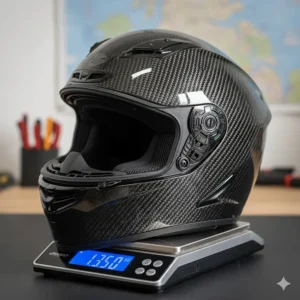
2. Shoei GT-Air 3 – The Sport-Touring Masterpiece
For riders demanding the perfect balance between performance and comfort, the Shoei GT-Air 3 delivers in spectacular fashion. This evolution of Shoei’s legendary GT-Air series brings ECE 22.06 certification alongside enhanced ventilation that’s 20% more effective on intake and 80% more efficient on exhaust compared to its predecessor.
Key Specifications:
- Weight: 1,700 grams
- Shell Material: Advanced Integrated Matrix Plus (AIM+)
- Drop-Down Sun Visor: QSV-2 internal system
- Communication Ready: Dedicated SRL3 system integration
The Shoei GT-Air 3 addresses one of summer riding’s greatest challenges: maintaining clear vision whilst keeping cool. Its innovative defogger ventilation system works in conjunction with the Pinlock anti-fog insert to ensure crystal-clear visibility regardless of temperature fluctuations. The upper air intake features a redesigned base, rib, and shutter system that directs air precisely where it’s needed most.
Built with three shell sizes across the range, each GT-Air 3 maintains optimal proportions for different head sizes, preventing the “bobblehead” effect common in single-shell helmets. The micro-ratchet chin strap system provides secure, comfortable retention without the bulk of traditional D-ring closures.
Customer Feedback (UK Buyers): With 4.8/5 stars on specialist UK retailers, riders particularly value the helmet’s versatility. “Perfect for my daily commute and weekend tours,” reports one Manchester-based rider. “The ventilation keeps me comfortable in traffic jams, and it’s quiet enough for motorway miles.”
Price Range: £529.99-£599.99
✅ Pros:
- Dramatically improved ventilation over previous generation
- Integrated sun visor with seamless operation
- Three-shell construction ensures proper fit across sizes
❌ Cons:
- Weight slightly higher than some competitors
- Premium price point
- SRL3 communication system sold separately
3. LS2 FF353 Rapid – Outstanding Budget Performance
Don’t let the modest price fool you—the LS2 FF353 Rapid punches well above its weight class in terms of summer performance and safety features. This Spanish-manufactured helmet represents exceptional value for UK riders seeking proper protection without breaking the bank.
Key Specifications:
- Weight: 1,350 grams
- Shell Material: High-Performance Fibre Composite (HPFC)
- Built-in Sun Visor: Drop-down tinted shield
- Safety Certification: ECE 22.06
The LS2 FF353 Rapid incorporates a sophisticated ventilation system rarely seen at this price point. Multiple adjustable air intakes on the chin and crown work with rear exhaust vents to maintain airflow even at low speeds—crucial for urban riding during summer months. The helmet’s HPFC shell keeps weight impressively low, reducing neck fatigue during extended rides.
UK buyers particularly appreciate the included Pinlock Max Vision insert, which comes as standard rather than an expensive add-on. The quick-release visor system allows tool-free shield changes, making it simple to swap between clear and tinted visors as conditions change.
Customer Feedback (UK Buyers): Amazon.co.uk reviews average 4.4/5 stars, with riders praising its comfort and airflow. “For under £100, this helmet outperforms my previous £250 lid in terms of ventilation,” shares a Brighton motorcyclist. Some users note the internal sun visor could be darker for extremely bright conditions.
Price Range: £89.99-£129.99
✅ Pros:
- Exceptional value with ECE 22.06 certification
- Lightweight construction reduces fatigue
- Pinlock insert included as standard
❌ Cons:
- Internal sun visor tint may be insufficient for some riders
- Padding firmness requires break-in period
4. HJC C10 – The Value Champion
HJC’s reputation as the world’s largest helmet manufacturer stems from their ability to deliver quality at accessible prices, and the HJC C10 exemplifies this philosophy perfectly. This full-face helmet offers solid summer performance with features typically reserved for more expensive models.
Key Specifications:
- Weight: 1,600 grams
- Shell Material: Advanced Polycarbonate Composite
- Ventilation: ACS Advanced Channeling System
- Price-to-Performance Ratio: Exceptional
The HJC C10 employs HJC’s Advanced Channeling System (ACS), which creates optimised airflow pathways through the EPS liner. This clever engineering moves air efficiently from intake to exhaust, maintaining a comfortable microclimate inside the helmet even during stationary periods in summer traffic.
The helmet’s removable, washable interior proves invaluable during hot weather, allowing riders to keep their lid fresh throughout the riding season. The cheek pads use laser-cut foam technology for precise fit, eliminating pressure points that can become uncomfortable during long summer tours.
Customer Feedback (UK Buyers): UK motorcyclists rate this helmet 4.5/5 stars for its reliability and comfort. “Three summers of daily use and it’s still going strong,” reports a delivery rider from Birmingham. “The ventilation keeps me cool on the hottest days, and the price means I don’t worry about wear and tear.”
Price Range: £89.99-£119.99
✅ Pros:
- Outstanding price-to-quality ratio
- ACS ventilation effective at all speeds
- Wide size range accommodates most riders
❌ Cons:
- Polycarbonate shell heavier than composite alternatives
- No integrated sun visor
- Padding quality acceptable but not premium
5. Bell Custom 500 – Classic Open-Face Cooling
For riders embracing the vintage aesthetic or those prioritising maximum airflow, the Bell Custom 500 represents the ultimate summer helmet solution. This three-quarter design provides substantially more ventilation than any full-face alternative whilst maintaining crucial side-impact protection.
Key Specifications:
- Weight: 1,000 grams
- Style: Open-face (3/4 coverage)
- Shell Material: Lightweight injection-moulded
- Retro Appeal: Authentic 1950s styling
The Bell Custom 500‘s open-face design naturally provides unparalleled ventilation—there’s simply no chin bar or face shield to restrict airflow. During sweltering summer conditions, this translates to noticeably cooler riding, particularly at lower speeds where full-face helmets can feel stifling. The helmet pairs perfectly with goggles or a snap-on bubble shield for wind protection.
Bell’s heritage shines through in every detail, from the hand-stitched leather comfort trim to the vintage-inspired paint schemes. Despite its classic appearance, the helmet meets modern safety standards, incorporating a multi-density EPS liner for impact absorption. The Custom 500’s popularity among UK cruiser and café racer riders reflects its perfect marriage of style and summer functionality.
Customer Feedback (UK Buyers): Amazon.co.uk reviews highlight its comfort and coolness, averaging 4.6/5 stars. “Perfect for my Bonneville during summer rides,” notes a Surrey-based rider. “The airflow is incredible, though I do miss face protection on longer motorway stretches.”
Price Range: £149.99-£199.99
✅ Pros:
- Maximum ventilation and cooling
- Lightweight construction minimises neck strain
- Authentic vintage styling with modern safety
❌ Cons:
- No face protection (chin, jaw vulnerable)
- Requires separate goggles or face shield
- Not suitable for motorway riding in poor weather
6. LS2 MX701 Explorer – Adventure-Ready Ventilation
The LS2 MX701 Explorer bridges the gap between pure off-road helmets and road-going adventure lids, delivering exceptional ventilation through a design optimised for both disciplines. This dual-sport helmet excels in summer conditions, whether you’re tackling green lanes or touring Welsh mountain passes.
Key Specifications:
- Weight: 1,460 grams
- Shell Material: Three-composition HPFC
- Peak Visor: Adjustable with locking system
- Ventilation: Extended chin inlet plus dual crown intakes
The LS2 MX701 Explorer features an oversized chin vent that channels massive quantities of air through the helmet—essential when physical exertion meets summer heat during off-road riding. The peak visor adjusts across multiple positions, providing flexible sun shading whilst remaining securely locked in place. Unlike some adventure helmets, the MX701 includes a built-in drop-down sun visor, eliminating the need for tinted goggles on road sections.
LS2’s Emergency Release System (ERS) allows medical personnel to quickly remove the cheek pads if necessary, a thoughtful safety feature that doesn’t compromise everyday comfort. The hypoallergenic, removable liner resists moisture absorption, staying fresh even during demanding summer adventures.
Customer Feedback (UK Buyers): UK adventure riders praise its versatility, with Amazon.co.uk ratings at 4.5/5 stars. “Brilliant for Scotland’s summer trails,” shares one reviewer. “Keeps me cool climbing hills, and the sun visor is perfect for road connections. Well worth the investment.”
Price Range: £179.99-£229.99
✅ Pros:
- Exceptional airflow for both on and off-road use
- Integrated sun visor adds road-riding convenience
- Lightweight despite adventure-spec construction
❌ Cons:
- Peak can catch wind at motorway speeds
- Larger profile than pure road helmets
- May be too aggressive-looking for some riders
7. AGV K1 S – Sport Performance Meets Summer Comfort
AGV’s racing pedigree informs every aspect of the K1 S, a sport-oriented helmet that doesn’t compromise on summer comfort. This Italian-engineered lid brings MotoGP-inspired aerodynamics to road riders seeking performance alongside effective ventilation.
Key Specifications:
- Weight: 1,450 grams
- Shell Construction: Aramid-carbon-glass fibre
- Ventilation Ports: Five intake, two exhaust
- Field of Vision: Class-leading 190 degrees
The AGV K1 S employs a sophisticated ventilation architecture with five adjustable intake vents positioned to maximise airflow without creating excessive noise. The aerodynamic shell shape has been wind-tunnel tested to maintain stability at speed whilst efficiently evacuating hot air through rear exhaust ports. This makes it particularly effective for spirited summer riding where both cooling and performance matter.
AGV’s Ultravision anti-scratch visor comes with 190 degrees of horizontal visibility—amongst the widest in the industry. The scratch-resistant coating maintains optical clarity season after season, whilst the 100% UV protection shields your eyes from harmful summer rays. The integrated spoiler reduces turbulence and buffeting, contributing to the helmet’s impressively low noise levels.
Customer Feedback (UK Buyers): Sport riders on UK forums rate it 4.6/5 stars for its performance-focused design. “Keeps me cool during track days and summer tours,” reports a track rider from Kent. “The ventilation works brilliantly up to motorway speeds, and the fit is spot-on for my head shape.”
Price Range: £159.99-£219.99
✅ Pros:
- Aerodynamic efficiency reduces drag and noise
- Wide field of vision enhances safety awareness
- Multiple shell sizes ensure proper fit
❌ Cons:
- Fit tends towards narrow (try before buying)
- Ventilation less effective at very low speeds
- Some riders find padding slightly firm initially
✨ Don’t Miss These Exclusive Deals!
🔍 Take your summer riding to the next level with these carefully selected helmets. Click on any highlighted helmet to check current pricing and availability on Amazon.co.uk. These helmets will help you create comfortable riding experiences your fellow bikers will envy!
Understanding Ventilation Technology in Modern Motorcycle Helmets
Modern motorcycle helmet ventilation has evolved far beyond simple holes drilled into the shell. Today’s advanced systems employ computational fluid dynamics and wind tunnel testing to optimise airflow, creating sophisticated pathways that cool your head whilst maintaining structural integrity and safety performance.
How Helmet Ventilation Systems Work
The fundamental principle behind effective helmet ventilation involves creating a pressure differential. As you ride forward, air enters through front-facing intake vents positioned on the chin bar and crown. This incoming air flows through carefully designed channels within the EPS liner, passing over your scalp before exiting through rear-facing exhaust vents at the back of the helmet.
The most effective systems incorporate adjustable vents, allowing riders to fine-tune airflow based on conditions. During hot summer riding, you’ll want all vents fully open to maximise cooling. The positioning of these vents matters enormously—chin vents prove most effective at preventing visor fogging, whilst crown vents target the top of your head where heat accumulates most intensely.
According to research published by helmet manufacturers, a well-designed ventilation system can reduce internal helmet temperature by 8-12 degrees Celsius compared to the ambient air temperature. This dramatic cooling effect doesn’t just improve comfort; it maintains concentration and reduces fatigue during long summer rides, directly contributing to safer motorcycling.
The Role of Shell Material in Heat Management
Your helmet’s shell material significantly influences how it handles summer heat. Traditional polycarbonate shells tend to retain more heat than advanced composite materials like fibreglass, carbon fibre, or Kevlar blends. These composite shells feature multiple layers that provide natural insulation against external heat whilst remaining lightweight—a crucial consideration when temperatures soar.
Premium manufacturers like Arai and Shoei employ proprietary composite materials specifically engineered to reflect solar radiation. Their shells often incorporate light colours in the outer gel coat, as darker helmets can become noticeably hotter under direct summer sunlight. If you frequently ride in exposed conditions, consider this when selecting your helmet colour scheme. Research on thermal radiation and material absorption demonstrates that surface colour significantly affects heat retention in polymeric materials.
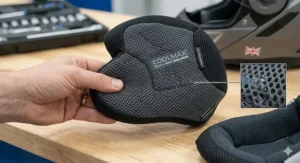
Moisture-Wicking Liners: The Unsung Heroes of Summer Riding
Whilst ventilation systems grab the headlines, your helmet’s interior liner plays an equally vital role in summer comfort. Modern technical fabrics transport moisture away from your skin through capillary action, allowing it to evaporate efficiently rather than accumulating as uncomfortable sweat.
Advanced Fabric Technologies
Premium helmet liners now incorporate materials originally developed for professional athletes. These include CoolMax polyester blends, which feature a unique cross-sectional shape that creates air pockets for enhanced breathability, and silver-ion treated fabrics that inhibit bacterial growth—the primary cause of helmet odour during summer months.
The removability of your helmet liner becomes crucial during summer riding season. Being able to wash your liner regularly maintains hygiene and keeps the interior fresh. Look for helmets with fully removable, machine-washable liners rather than semi-removable systems that only allow partial cleaning.
Some manufacturers have begun incorporating phase-change materials into their liners. These innovative fabrics absorb excess heat when you’re hot and release it when you cool down, helping regulate your head temperature automatically. Whilst still relatively rare in mainstream helmets, this technology represents the cutting edge of summer comfort engineering.
UV Protection and Visor Technology for Summer Riding
Summer motorcycling exposes riders to intense ultraviolet radiation, which can damage both your eyes and skin over time. Quality helmet visors now incorporate UV-blocking coatings that filter out 99-100% of harmful UVA and UVB rays, providing essential protection during long days in the saddle.
Understanding Visor Tinting Options
Clear visors work well for variable conditions, but summer riding often demands additional sun protection. Modern helmets typically offer several solutions: drop-down internal sun visors, interchangeable tinted shields, or photochromic visors that darken automatically in bright light.
Internal sun visors, like those found on the Shoei GT-Air 3 and LS2 models, provide the most versatility. You can deploy them instantly when riding into low sun, then retract them seamlessly for tunnel passages or changing light conditions. This convenience eliminates the need to carry multiple visors or stop to swap shields.
Anti-scratch and anti-fog coatings have become standard on quality visors, but their effectiveness varies dramatically between manufacturers. Pinlock systems—which create a sealed air gap using a silicone gasket—remain the gold standard for fog prevention, working reliably even when transitioning between air-conditioned stops and scorching summer tarmac.
The UK government’s SHARP programme emphasises that visor optical quality directly impacts safety. Distortion, tinting irregularities, or scratches can reduce visibility and increase eye fatigue, particularly during long summer rides. Investing in quality replacement visors proves worthwhile when your original shield shows wear. For more information on helmet and visor legal requirements, visit GOV.UK’s motorcycle helmet guidance.
Helmet Weight and Neck Fatigue in Hot Weather
Summer riding intensifies the impact of helmet weight on rider comfort. As temperatures rise, your neck muscles work harder to support your head, and a heavy helmet amplifies this fatigue significantly. Research suggests that every 100 grams of weight reduction correlates to noticeably decreased fatigue over rides exceeding two hours.
The Weight Advantage of Modern Materials
Contemporary helmet construction has achieved remarkable weight reductions through advanced materials. Carbon fibre shells can save 200-300 grams compared to polycarbonate equivalents, translating to measurably less neck strain. However, the weight distribution matters as much as the absolute figure—a well-balanced helmet feels lighter than its specifications suggest.
For summer touring, prioritise lightweight helmets even if they cost slightly more. The cumulative effect of reduced weight over a full day’s riding makes a substantial difference to your energy levels and enjoyment. Many UK riders report that switching to a lighter helmet transformed their summer touring experience, allowing them to ride comfortably for longer distances.
Helmet Safety Standards: What UK Riders Need to Know
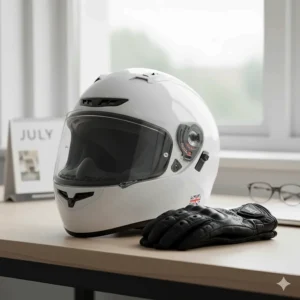
All motorcycle helmets sold legally in the UK must meet specific safety certifications, with ECE 22.06 representing the latest and most stringent standard. This United Nations regulation, which superseded ECE 22.05 in 2024, introduces enhanced testing protocols that better simulate real-world crash scenarios.
The ECE 22.06 Revolution
The new ECE 22.06 standard brings several critical improvements over its predecessor. Most significantly, it incorporates rotational impact testing—recognising that many motorcycle accidents involve oblique impacts that generate dangerous rotational forces on the brain. Helmets must now demonstrate protection against these forces, not just linear impacts.
According to the UK Department for Transport’s SHARP programme, ECE 22.06 certified helmets offer measurably superior protection. The testing includes more impact points, higher-energy impacts, and assessment of the helmet’s performance when accessories like communication systems are fitted. Importantly, modular helmets must now pass chin bar tests in both open and closed positions.
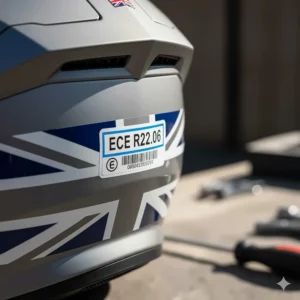
UK riders can verify helmet certification by checking the label inside the helmet. Look for “ECE 22.06” or “ECE-R 22.06” followed by the approval number and country code. The SHARP website provides additional ratings for helmets sold in the UK, offering independent assessment beyond basic certification.
Why SHARP Ratings Matter
The Safety Helmet Assessment and Rating Programme, funded by the UK government, tests helmets beyond the minimum ECE requirements. Using a five-star rating system, SHARP conducts 32 separate impact tests on each helmet model at speeds exceeding standard certification velocities. This rigorous evaluation helps riders identify helmets offering exceptional protection, not merely adequate compliance.
✨ Stay Protected This Summer!
🏍️ Ready to upgrade your riding experience? These expertly reviewed helmets combine cutting-edge safety with superior ventilation. Browse our top picks on Amazon.co.uk and find the perfect match for your summer adventures. Your head deserves the best protection available!
How to Choose the Perfect Summer Motorcycle Helmet
Selecting your ideal summer motorcycle helmet requires balancing multiple factors beyond simple ventilation performance. Follow this systematic approach to ensure you choose a lid that keeps you safe, comfortable, and cool throughout the riding season.
Step 1: Determine Your Riding Style
Your typical riding patterns should guide your helmet choice. Daily commuters benefit from versatile full-face helmets with drop-down sun visors, whilst weekend tourers might prioritise long-distance comfort and noise reduction. Adventure riders require helmets that excel both on-road and off, with robust ventilation for physical riding.
Sport riders need aerodynamic efficiency alongside cooling, as high-speed airflow creates different demands than urban riding. Cruiser enthusiasts might prefer the classic appeal and maximum airflow of open-face designs. Honestly assessing your actual riding habits—not aspirational plans—ensures you select the most appropriate helmet type.
Step 2: Establish Your Budget
Motorcycle helmet pricing spans an enormous range, from under £100 to over £600. Fortunately, contemporary safety standards mean even budget helmets provide excellent protection. The primary differences at higher price points involve refinement, weight, materials quality, and advanced features rather than fundamental safety.
Set a realistic budget considering that your helmet represents crucial safety equipment. Many riders find the £150-£300 range offers exceptional value, providing advanced features without premium pricing. Remember to budget for replacement visors and potentially a Pinlock insert if not included.
Step 3: Prioritise Fit Over Features
The finest helmet in the world provides inadequate protection if it doesn’t fit properly. Visit a motorcycle gear retailer to try various brands and sizes, as helmet shapes vary significantly between manufacturers. The helmet should feel snug without pressure points, particularly around your forehead and cheeks.
Wear the helmet for at least five minutes during fitting, as initial comfort can deceive. The liner will compress slightly over time, but the shell size remains constant. If choosing between sizes, the smaller size generally proves correct provided it’s not painful—helmets should fit snugly to maximise safety effectiveness.
Step 4: Assess Ventilation Requirements
Consider your typical riding conditions when evaluating ventilation systems. If you frequently encounter stop-and-go traffic during summer, prioritise helmets with effective low-speed airflow like adventure models or those with large chin vents. Motorway riders need systems that work efficiently at higher speeds without creating excessive noise.
Test the vent controls whilst wearing gloves to ensure you can operate them easily whilst riding. Adjustable vents provide more versatility than fixed systems, allowing you to reduce airflow during cooler morning rides then maximise it as temperatures climb.
Step 5: Verify Safety Certification
Never compromise on safety certification. Ensure your chosen helmet displays ECE 22.06 approval—the current legal requirement for helmets sold in the UK. Check the SHARP database for additional safety ratings, particularly if choosing between similar models. Higher SHARP ratings indicate superior impact protection beyond minimum standards.
Avoid purchasing uncertified helmets, regardless of price savings. The financial difference between certified and uncertified helmets pales compared to the catastrophic cost of inadequate head protection during an accident.
Step 6: Consider Long-Term Value
Quality helmets typically last 5-7 years with proper care, making the initial investment more reasonable when amortised over their lifespan. Factor in replacement visor costs, availability of spare parts, and the manufacturer’s warranty coverage. Established brands generally provide better long-term support than obscure manufacturers.
Premium helmets often include features as standard—like Pinlock inserts, breath guards, and removable liners—that cost extra for budget models. Calculate the total cost including necessary accessories to accurately compare value between helmets.
Helmet Maintenance for Optimal Summer Performance
Proper maintenance maximises your helmet’s cooling effectiveness and extends its lifespan. Summer riding generates more sweat and dust than other seasons, making regular cleaning essential for hygiene and performance.
Weekly Cleaning Routine
Remove and wash your helmet liner weekly during summer months. Most modern liners can be hand-washed in lukewarm water with mild detergent, though some are machine-washable on gentle cycles. Ensure the liner dries completely before reinstalling to prevent mould growth and odours.
Clean your visor with specialised helmet cleaner or mild soap and water. Never use household glass cleaners, as they can damage anti-fog coatings and Pinlock inserts. Microfibre cloths prevent scratching whilst removing insects, dust, and road grime that accumulate during summer rides.
Ventilation System Maintenance
Inspect ventilation ports regularly for blockages from insects, debris, or road dirt. Many riders overlook this maintenance, but blocked vents dramatically reduce cooling effectiveness. A soft brush or compressed air easily clears accumulation from vent mechanisms and exhaust ports.
Check that all vent controls operate smoothly. Lubricate friction points sparingly with silicone spray if mechanisms become stiff, but avoid getting lubricant on liner fabrics or the helmet shell where it might degrade materials.
Storage Considerations
Store your helmet in a cool, dry location away from direct sunlight when not in use. UV exposure accelerates material degradation, potentially compromising safety over time. Avoid leaving your helmet on your motorcycle’s mirrors during summer, as prolonged sun exposure damages both the shell and liner materials.
Consider using a helmet bag for storage and transport. This protects your investment from scratches, dust, and accidental impacts whilst providing a convenient carrying solution. Many helmets include storage bags, but aftermarket options offer additional features like moisture-wicking materials.
Common Mistakes When Buying Summer Helmets
Even experienced riders sometimes make poor decisions when selecting summer helmets. Avoiding these common pitfalls helps ensure you choose a lid that genuinely meets your needs.
Prioritising Style Over Substance
It’s tempting to select a helmet based purely on appearance, but comfort and functionality should take precedence. A gorgeous helmet that overheats your head or fits poorly will spend more time on the shelf than on your head. Choose based on fit, ventilation, and features first, then select your preferred colour scheme within suitable options.
Assuming All “Summer Helmets” Perform Equally
Marketing materials often tout superior ventilation, but real-world performance varies dramatically between manufacturers. Research independent reviews from UK riders who’ve tested helmets in actual summer conditions rather than relying solely on manufacturer claims. Forums and retailer reviews provide invaluable real-world feedback.
Neglecting the Importance of Proper Fit
Ordering online based solely on size charts frequently results in poor-fitting helmets. Head shapes vary enormously between individuals—even within the same circumference measurement. Whenever possible, try helmets in person before purchasing. If ordering online, verify the retailer’s return policy allows exchanges if the fit isn’t right.
Choosing Based Solely on Price
Whilst budget-friendly helmets can provide excellent value, the absolute cheapest option rarely proves satisfactory. Extremely low-priced helmets often sacrifice comfort, durability, and refinement. Conversely, the most expensive helmet doesn’t guarantee superior performance for your specific needs. Focus on value rather than price alone.
Overlooking Replacement Part Availability
Premium helmets become frustrating investments when replacement visors, liners, or other components prove difficult to source. Before purchasing, verify that your chosen manufacturer maintains good parts availability in the UK market. Established brands typically provide better long-term support than newer or obscure manufacturers.
Summer Riding Safety Tips Beyond Your Helmet
Whilst your helmet forms the foundation of motorcycle safety, comprehensive summer riding protection requires additional considerations. These practical tips help you stay safe and comfortable during the hottest months.
Hydration and Heat Management
Dehydration significantly impairs concentration and reaction times—critical factors in motorcycle safety. Drink water regularly before and during rides, even if you don’t feel thirsty. Consider hydration systems that allow drinking without stopping, particularly during long summer tours.
Heat exhaustion poses genuine dangers during summer riding. Watch for warning signs including dizziness, excessive fatigue, nausea, or headaches. If symptoms appear, find shade immediately, remove your helmet and jacket, and rehydrate. Don’t resume riding until you’ve fully recovered.
Protective Clothing Choices
Summer-specific motorcycle gear incorporates mesh panels and perforated leather that provide airflow whilst maintaining abrasion resistance. Don’t compromise protection for coolness—modern summer jackets and trousers offer both. Light colours reflect heat better than dark alternatives, reducing solar heat absorption.
Wear a moisture-wicking base layer beneath your riding gear. These technical garments transport sweat away from your skin, enhancing evaporative cooling and preventing the clammy discomfort of sodden cotton shirts. Many riders find this simple addition transforms summer riding comfort.
Route Planning Considerations
Plan summer rides to avoid the hottest hours when practical. Early morning and evening rides provide more comfortable temperatures whilst offering beautiful light for photography. If riding mid-day proves unavoidable, incorporate frequent rest stops in shaded areas to cool down.
Consider routes with tree cover, elevation changes, or proximity to water bodies that provide natural cooling. Exposed motorway riding generates wind chill whilst moving but becomes unbearable during traffic delays. Alternative routes through wooded areas or valleys often prove more comfortable during summer months.

FAQ: Your Summer Helmet Questions Answered
❓ What's the best motorcycle helmet ventilation system for UK summer riding?
❓ How often should I replace my motorcycle helmet in the UK?
❓ Are open-face helmets cooler than full-face helmets for summer?
❓ Do light-coloured helmets stay cooler in summer than dark ones?
❓ What helmet features help prevent visor fogging during summer?
Conclusion: Finding Your Perfect Summer Riding Companion
Selecting the ideal motorcycle helmet for summer represents one of the most important decisions you’ll make as a UK rider. The right choice transforms sweltering summer rides into comfortable, enjoyable experiences whilst maintaining the crucial protection your head deserves. From the premium engineering of the Arai Quantic to the outstanding value of the LS2 FF353 Rapid, today’s summer helmets offer solutions for every rider and budget.
Remember that effective summer helmet performance extends beyond simple ventilation numbers. Consider how the helmet’s weight affects your neck comfort during long rides, whether the visor system provides adequate UV protection, and if the liner can be easily maintained through regular washing. The investment in a quality summer helmet pays dividends through enhanced comfort, reduced fatigue, and consistent protection across thousands of miles.
Don’t rush this decision—visit retailers to try various models, research independent reviews from UK riders, and verify that your chosen helmet meets current ECE 22.06 safety standards. The SHARP programme’s ratings provide valuable additional insight into crash protection performance beyond minimum certification requirements.
Whether you’re commuting through London’s summer traffic, touring the Lake District’s scenic routes, or carving through Welsh mountain passes, your helmet should enhance rather than diminish the experience. Stay cool, stay protected, and most importantly, stay safe on every summer ride.
Recommended for You
- 7 Best Motorcycle Helmets for Commuting UK 2026
- 7 Best Motorcycle Helmets with Removable Liner 2026 UK
- 7 Best Motorcycle Helmets with Built in Bluetooth UK 2026
Disclaimer: This article contains affiliate links. If you purchase products through these links, we may earn a small commission at no additional cost to you. Prices shown are approximate and may vary.
✨ Found this helpful? Share it with your mates! 💬🤗
