In This Article
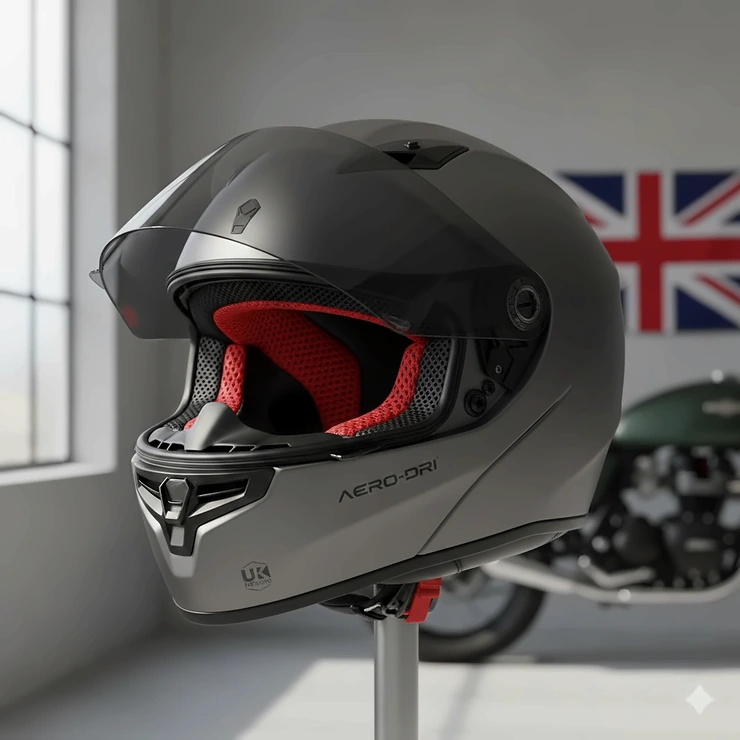
Picture this: you’re carving through the Scottish Highlands on a brisk September morning, and within minutes your helmet feels like a sauna. Sound familiar? If you’ve ever experienced that clammy, uncomfortable sensation of sweat pooling inside your lid, you already know why moisture-wicking technology has become essential in modern helmets.
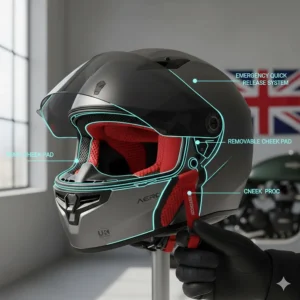
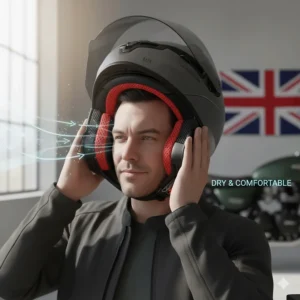
Motorcycle helmets with moisture wicking liner aren’t just about comfort—they’re about safety too. When perspiration accumulates, it can drip into your eyes, fog up your visor, and create bacterial breeding grounds that make your helmet smell like a gym sock convention. The latest generation of helmets tackles this head-on (pun intended) with advanced hydrophobic liner materials that actively pull moisture away from your skin.
According to SHARP (Safety Helmet Assessment and Rating Programme), the UK government’s independent helmet testing body, comfort features like moisture management contribute significantly to rider safety by maintaining concentration during long rides. Since January 2024, all new helmets sold in the UK must meet the stricter ECE 22.06 safety standard, which now tests comfort liners for deterioration resistance against sweat and cosmetics.
Whether you’re commuting through London traffic in July heat or touring the Welsh valleys in unpredictable weather, the right helmet liner can transform your riding experience from sweaty misery to climate-controlled bliss.
Quick Comparison Table
| Helmet Model | Type | Price Range | Key Moisture Tech | ECE Rating | Best For |
|---|---|---|---|---|---|
| HJC V10 | Full-Face | £199-£249 | Quick-dry liner, ACS ventilation | 22.06 | All-weather touring |
| Shox Command Cyber-X | Full-Face | £79-£119 | Hypoallergenic wicking liner | 22.06 | Budget-conscious riders |
| LS2 FF353 Rapid | Full-Face | £89-£129 | Multi-density EPS, breathable liner | 22.06 | Sport/commuting |
| Tough Headwear Skull Cap | Liner/Cap | £12-£18 | Advanced moisture-wicking tech | N/A | Under any helmet |
| Vega Magna | Open-Face | £110-£149 | Comfort Tech Wick-Dri system | DOT/ECE | Cruiser/urban |
| LS2 Stream Evo | Full-Face | £139-£179 | Ergonomic wicking interior | 22.06 | Daily commuters |
| GripGrab Sweatband | Headband | £14-£22 | Lightweight mesh, quick-dry | N/A | Summer/high-intensity |
💬 Just one click – help others make better buying decisions too!😊
✨ Don’t Miss These Exclusive Deals!
🔍 Take your motorcycle riding to the next level with these carefully selected products. Click on any highlighted item to check current pricing and availability on Amazon.co.uk. These helmets will help you create authentic comfort your riding mates will envy!
Top 7 Motorcycle Helmets with Moisture Wicking Liner: Expert Analysis
1. HJC V10 HODU MC47 – Premium All-Rounder
The HJC V10 represents the pinnacle of Korean engineering meeting European safety standards. This full-face marvel features HJC’s proprietary Advanced Channeling Ventilation System (ACS), which works in tandem with its moisture-wicking liner to create a microclimate management system that rivals premium brands costing twice as much.
Key Specifications:
- Advanced Fiberglass Composite (AFC) shell in multiple sizes
- Removable, washable quick-dry liner system
- HJ-41 Pinlock-ready visor with 99% UV protection
- SMART HJC Bluetooth compatible
The liner technology here is genuinely impressive. UK riders report that even during summer motorway stints, the quick-dry antibacterial helmet padding maintains freshness. The emergency removal system (quick-release cheek pads) meets the latest safety protocols whilst the wicking properties prevent that dreaded post-ride “helmet hair” dampness.
UK Customer Feedback: “Brilliant helmet for British weather. The liner keeps my head dry whether I’m sweating in traffic or caught in Welsh drizzle.”
✅ Pros:
- ECE 22.06 certified for maximum safety
- Exceptional moisture management even in UK humidity
- Tool-free visor changes
❌ Cons:
- Premium price point (£199-£249)
- Heavier than carbon alternatives
Price Range: £199-£249 (available on Amazon.co.uk)
2. Shox Command Cyber-X – Budget Champion
Don’t let the modest price fool you—the Shox Command Cyber-X punches well above its weight. This ECE 22.06-approved full-face helmet features a hypoallergenic, moisture-wicking liner that’s fully removable and washable, making it perfect for daily commuters who rack up serious miles.
Key Specifications:
- ABS shell construction (1,400g ±50g)
- Micro-metric retention system for precise fit
- Multi-positional visor with anti-scratch coating
- Speaker recesses for Bluetooth integration
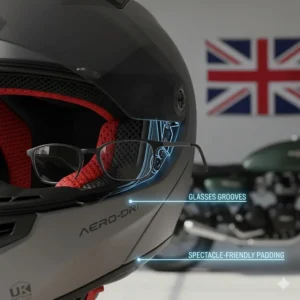
The sweat evaporation technology relies on strategically placed air channels that work with the moisture-wicking liner to pull perspiration away from your scalp. British buyers particularly appreciate the glasses-friendly cheek pad design, which doesn’t compromise the moisture management system.
UK Customer Feedback: “For under £120, you won’t find better value. The liner keeps me comfortable on my 40-mile daily commute.”
✅ Pros:
- Outstanding value for ECE 22.06 certification
- Effective moisture management at budget price
- UK road-legal with latest safety standards
❌ Cons:
- Basic ventilation compared to premium models
- Limited colour options
Price Range: £79-£119 (available on Amazon.co.uk)
3. LS2 FF353 Rapid – Sport-Touring Specialist
The LS2 FF353 Rapid has earned cult status among UK sport-touring enthusiasts, and it’s easy to see why. This Spanish manufacturer’s attention to ergonomic wicking interiors makes it a standout choice for riders who demand both performance and comfort.
Key Specifications:
- Multi-density EPS liner for superior impact absorption
- Breathable, removable interior with antibacterial properties
- Drop-down internal sun visor
- Efficient airflow system with multiple vents
LS2’s moisture management helmets utilise what they call “comfort padding” that combines hydrophobic liner materials with channel-shaped memory foam. The result? UK riders consistently report dry, comfortable heads even during August heatwaves. The quick dry helmet liners reviews from British motorcyclists are overwhelmingly positive.
UK Customer Feedback: “Best helmet I’ve owned. The liner genuinely wicks sweat—no more stopping to wipe my brow on long rides.”
✅ Pros:
- Proven anti-sweat motorcycle helmet technology
- Excellent UK stockist support
- Lightweight for all-day comfort
❌ Cons:
- Some riders find the fit runs slightly small
- Sun visor mechanism can be stiff initially
Price Range: £89-£129 (available via Amazon.co.uk sellers)
4. Tough Headwear Sweat Wicking Skull Cap – Universal Solution
Sometimes the best solution is the simplest. The Tough Headwear Skull Cap transforms any helmet into a moisture-management powerhouse. This innovative liner sits between your scalp and helmet padding, providing an additional barrier against perspiration.
Key Specifications:
- Advanced moisture-wicking polyester blend
- UPF 50 sun protection
- One-size-fits-most design (22″-24¼”)
- Machine washable and quick-drying
Tested under extreme sports conditions, this cap’s hydrophobic technology absorbs and rapidly evaporates sweat. UK cyclists and motorcyclists alike swear by it. The 4-way stretch fabric ensures it stays in place without adding bulk, and the low-profile seams prevent pressure points.
UK Customer Feedback: “Can’t ride without it now. Transforms my helmet’s comfort completely, especially in summer.”
✅ Pros:
- Works with any helmet you already own
- Fraction of the cost of new helmet
- Easy to wash between rides
❌ Cons:
- Mixed reviews on sizing (some UK riders report it’s too small for 58cm+ heads)
- Not a standalone safety solution
Price Range: £12-£18 (available on Amazon.co.uk)
5. Vega Magna – Open-Face Comfort King
The Vega Magna brings moisture management to the open-face segment with its Comfort Tech Wick-Dri Liner System. This American brand has gained traction in the UK market, particularly among cruiser and urban riders who value the freedom of open-face design.
Key Specifications:
- Lightweight polycarbonate shell (1.2kg)
- Quick-release strap system
- Internal drop-down smoke sunshield
- Communication-ready with pre-drilled speaker holes
The Wick-Dri system is “extremely soft” according to the manufacturer, using multi-channel EPS inner liner technology to move heat and moisture out of the helmet. The best moisture management helmets in the open-face category must balance ventilation with protection, and the Magna achieves this admirably.
UK Customer Feedback: “Perfect for summer riding. The liner keeps me cool without the stuffiness of full-face alternatives.”
✅ Pros:
- Excellent breathability for UK summer riding
- DOT and ECE R 22.05 approved
- Removable liner for easy cleaning
❌ Cons:
- Less protective than full-face options
- Limited availability in UK (check import costs)
Price Range: £110-£149 (import via Amazon)
6. LS2 Stream Evo – Daily Commuter’s Dream
Another triumph from LS2, the Stream Evo focuses squarely on comfort for everyday riders. Its ergonomic design with moisture-wicking liners makes it ideal for the British commuter facing variable weather and stop-start traffic.
Key Specifications:
- Aerodynamic thermoplastic shell
- Multi-layer, removable comfort padding
- Integrated sun shield
- Pinlock-ready visor included
The Stream Evo’s liner uses what industry insiders call “progressive comfort technology”—different density foams in strategic locations combined with channels for air and moisture movement. It’s one of the anti-sweat motorcycle helmets that doesn’t sacrifice quietness for ventilation.
UK Customer Feedback: “My go-to for the daily grind. No more sweaty head arriving at the office.”
✅ Pros:
- Factory-direct pricing under £150
- DOT and ECE approved
- Drop-down sun shield for variable UK light
❌ Cons:
- Entry-level model lacks premium features
- Visor fog resistance could be better
Price Range: £139-£179 (available via UK motorcycle retailers and Amazon)
7. GripGrab Lightweight Summer Sweatband – Specialist Addition
The GripGrab Sweatband isn’t a helmet, but it deserves recognition for transforming how moisture is managed. Designed specifically for under-helmet use, this thin mesh headband protects against sweat dripping into eyes and onto sunglasses.
Key Specifications:
- Highly breathable thin mesh material
- Lightweight (barely noticeable when worn)
- One-size-fits-all with high-stretch fabric
- Machine washable at 30°C
Perfect for hot British summers (yes, we get them occasionally!), this sweatband allows heat to dissipate whilst wicking perspiration to the outer surface for rapid evaporation. The low-profile seams ensure it fits comfortably under road-bike and MTB helmets without creating pressure points.
UK Customer Feedback: “Lightweight and effective. Forget you’re wearing it until you realise your forehead isn’t dripping with sweat.”
✅ Pros:
- Minimal bulk under any helmet
- Quick-drying for multi-ride days
- Affordable moisture management solution
❌ Cons:
- Not as thick as tennis-style sweatbands
- Requires frequent washing on long tours
Price Range: £14-£22 (available on Amazon.co.uk)
✨ Don’t Miss These Exclusive Deals!
🔍 Browse our expert-tested helmets above and click through to Amazon.co.uk for the latest UK pricing. Your perfect moisture-wicking helmet awaits—comfort starts with the right choice!
Understanding Moisture-Wicking Technology in Motorcycle Helmets
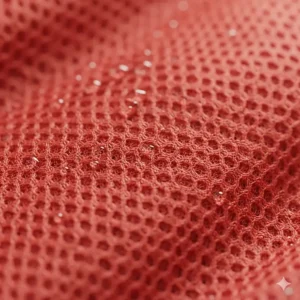
Have you ever wondered what makes a “moisture-wicking” liner actually work? It’s not magic—it’s materials science. Modern helmet liners employ hydrophobic liner materials that actively repel water whilst simultaneously pulling moisture away from your skin through capillary action.
The Science Behind Sweat Management
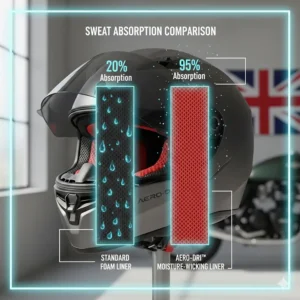
Traditional foam padding acts like a sponge, absorbing perspiration and holding it against your head. Not pleasant, and frankly, not hygienic. Contemporary quick dry helmet liners reviews consistently highlight the superiority of engineered fabrics like Coolmax, polyester microfibre blends, and even silver-infused antibacterial materials.
These fabrics feature four-channel fibres that draw moisture to the outer surface, where increased surface area accelerates evaporation. According to research published on Wikipedia’s technical textiles page, moisture-wicking fabrics can move perspiration away from the body up to 300% more effectively than cotton.
Key Components of Effective Sweat Evaporation Technology
1. Hydrophobic Base Layer
The material touching your skin must repel water whilst allowing vapour transmission. Think of it as a one-way street for moisture.
2. Air Channels
Strategic ventilation channels within the EPS liner work with external vents to create airflow that carries moisture away.
3. Antibacterial Treatment
Silver ions, copper threading, or antimicrobial treatments prevent bacterial growth that causes odour. Essential for UK riders facing damp storage conditions.
4. Quick-Dry Surface Layer
The outer face of the liner must dry rapidly between uses, preventing that musty smell we all dread.
The NHS recognises that trapped moisture against skin can lead to irritation, fungal infections, and discomfort—all reasons why proper moisture management matters beyond mere convenience.
Moisture-Wicking Technologies Comparison
| Technology Type | Material | Drying Time | Antibacterial | Best For |
|---|---|---|---|---|
| Coolmax Fibres | 4-channel polyester | 2-3 hours | Optional treatment | High-intensity riding |
| Silver-Infused Fabric | Polyester + silver ions | 3-4 hours | Inherent | Daily commuting |
| Hydrophobic Mesh | Technical nylon blend | 1-2 hours | Treatment required | Summer riding |
| Memory Foam Channels | Polyurethane + channels | 4-6 hours | Treatment required | Touring comfort |
| Bamboo Blend | Bamboo/polyester mix | 3-5 hours | Natural properties | Eco-conscious riders |
How to Choose the Best Moisture Management Helmet for UK Riding
Selecting motorcycle helmets with moisture wicking liner requires balancing several factors specific to British riding conditions. Here’s your comprehensive guide:
1. Assess Your Riding Style and Climate Exposure
Do you commute daily through London traffic, or do weekend tours through the Highlands? Urban riders face stop-start heat generation, whilst tourers need all-day comfort. The UK’s variable climate demands versatility—your helmet should handle July heatwaves and October drizzle with equal aplomb.
2. Verify Safety Certifications
Since January 2024, all new helmets sold in the UK must meet ECE 22.06 standards. This latest regulation includes specific tests for liner durability against sweat and cosmetics. Don’t compromise safety for comfort—choose helmets that exceed minimum standards. The UK government’s SHARP testing programme provides independent safety ratings beyond manufacturer claims.
3. Evaluate Liner Removability and Maintenance
Can you easily remove the liner for washing? British weather means your helmet gets more exposure to moisture than riders in drier climates. Look for tool-free removal systems and machine-washable liners. Helmets with non-removable liners are false economy—they’ll become unpleasant faster than you can say “Bank Holiday traffic.”
4. Check Ventilation Integration
The best moisture management helmets combine wicking liners with intelligent airflow. Front intake vents, top exhausts, and channelled EPS liners work together. Close those vents on cold mornings, open them wide for summer riding—versatility is key.
5. Consider Your Head Shape and Size
Not all helmets fit all heads. UK retailers typically offer intermediate oval shapes, but Asian manufacturers often design for rounder heads. A poorly fitting helmet negates even the most advanced moisture-wicking technology because pressure points cause excessive sweating.
6. Read Real UK User Reviews
Don’t rely solely on manufacturer claims. Search for “quick dry helmet liners reviews” from British riders experiencing our unique weather patterns. Continental European conditions differ significantly from UK humidity and temperature swings.
7. Budget Appropriately
Quality moisture-wicking technology spans all price points. Budget options (£80-£150) now feature removable, washable liners with basic wicking properties. Mid-range helmets (£150-£300) offer advanced antibacterial helmet padding with superior ventilation. Premium models (£300+) employ cutting-edge fabrics with medical-grade antimicrobial treatments.
Top Features to Look For
Multi-Density EPS Liners
Modern helmets use different foam densities in strategic locations. Softer foam against your head for comfort, firmer foam for impact protection. The channels between density zones create moisture escape routes.
Removable and Washable Components
British conditions mean your helmet gets grubby. Cheek pads, crown pads, and neck rolls should all be removable. Machine-washable at 30°C is standard; hand-wash-only is inconvenient for daily riders.
Antibacterial Treatments
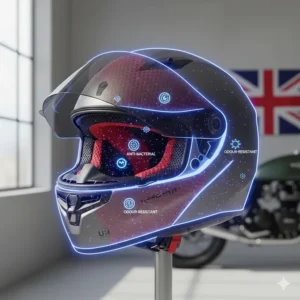
Silver-threaded fabrics, copper-infused padding, or antimicrobial coatings prevent bacterial growth. Essential for preventing that distinctive “old helmet” smell. These treatments typically last 50-100 wash cycles before requiring replacement liners.
Emergency Quick-Release Systems
The latest ECE 22.06 standard encourages emergency cheek pad removal systems. Paramedics can safely remove your helmet without exacerbating neck injuries. Bonus: makes cleaning easier too.
Hypoallergenic Materials
Sweat + friction + synthetic materials = potential skin irritation. Hypoallergenic liners use materials less likely to cause reactions. Crucial if you ride daily or have sensitive skin.
Maintenance Tips for Moisture-Wicking Liners
Regular Cleaning Schedule
Daily riders: Remove and air-dry liner weekly; wash monthly
Weekend riders: Air-dry after each ride; wash every 2-3 months
Occasional riders: Wash before and after storage periods
Proper Washing Technique
- Remove all liner components completely
- Hand wash in lukewarm water (under 30°C) with mild detergent
- Never use bleach or fabric softener—destroys wicking properties
- Rinse thoroughly until water runs clear
- Air dry only—tumble dryers damage technical fabrics
- Don’t reinstall until completely dry
Storage Best Practices
Store your helmet in a cool, dry, ventilated area. Avoid direct sunlight (degrades materials) and damp garages (encourages mould). A breathable helmet bag beats plastic every time. Remove the liner periodically during long-term storage to air out both components.
When to Replace Liners
Even the best antibacterial helmet padding degrades over time. Replace liners when:
- Wicking performance noticeably decreases
- Unpleasant odours persist after washing
- Visible deterioration or compression (loses shape)
- Manufacturer recommends (typically 2-3 years)
Most manufacturers sell replacement liner kits for £30-£60, extending your helmet’s comfortable life significantly.
UK-Specific Considerations for Moisture Management
Dealing with British Weather Variables
Our island climate throws everything at riders—morning frost, midday sun, evening drizzle. The best moisture management helmets for UK conditions must handle both heat buildup and rain ingress. Look for:
- Breath deflectors that prevent visor fogging in cold, humid conditions
- Adjustable vents you can close against rain yet open for airflow
- Water-resistant (not waterproof) liner materials that breathe whilst resisting external moisture
Commuting Considerations
British commuters face unique challenges: sweating during the ride, then standing around in gear waiting for the train. Quick-dry properties become essential. Some riders keep a second liner set, swapping them out mid-journey for ultimate freshness.
Legal Requirements and Standards
All helmets sold in the UK must display proper safety markings. Look for the ECE mark (a circle with “E” and country code) plus the “22.06” designation. The UK government’s official helmet regulations are clear: non-compliant helmets are illegal, regardless of comfort features. As of 2026, all new helmets must meet ECE 22.06 standards, though ECE 22.05 helmets remain legal to use if purchased before January 2024.
Seasonal Adaptation
Spring/Autumn: Moderate temperatures, high humidity—prioritise moisture management
Summer: Heat buildup—maximise ventilation, consider skull cap liners
Winter: Cold weather reduces sweating, but breath moisture becomes the enemy—focus on breath deflectors
UK Seasonal Helmet Requirements
| Season | Temperature Range | Key Challenge | Recommended Features | Ideal Helmet Type |
|---|---|---|---|---|
| Spring | 8-15°C | Variable weather, rain | All-weather liner, good ventilation control | Full-face with adjustable vents |
| Summer | 15-25°C | Heat buildup, sweating | Maximum wicking, open vents | Full-face or modular with superior airflow |
| Autumn | 5-15°C | Damp, fog, drizzle | Quick-dry liner, breath deflector | Full-face with Pinlock visor |
| Winter | 0-10°C | Breath condensation, cold | Moisture-resistant liner, sealed vents | Full-face with winter-specific features |
Common Mistakes to Avoid
Choosing Style Over Safety
That retro open-face might look brilliant with your café racer, but if it lacks proper moisture management, you’ll be miserable on anything longer than a coffee run. Aesthetics matter, but comfort and safety come first.
Ignoring Fit for Features
A helmet with NASA-grade moisture-wicking technology won’t help if it doesn’t fit your head properly. Poor fit causes pressure points, which cause sweating, which overwhelms any liner’s capacity. Get professionally fitted at a UK retailer.
Neglecting Replacement Schedules
Helmets should be replaced every 5 years regardless of condition (materials degrade), or immediately after any impact. Don’t assume your 2019 helmet’s liner is still performing optimally in 2026.
Overlooking Visor Integration
The best liner in the world can’t compensate for a visor that fogs up. Ensure your helmet’s moisture management extends to the visor system—Pinlock inserts, anti-fog coatings, and breath deflectors all play a role.
Buying Without Testing
Amazon reviews are helpful, but nothing beats trying on a helmet. Visit a UK retailer, wear the helmet for 10-15 minutes, simulate chin strap tightening, turn your head vigorously. Discomfort in the shop means misery on the road.
Benefits vs Traditional Helmet Liners
| Feature | Traditional Foam Liner | Moisture-Wicking Liner |
|---|---|---|
| Sweat Absorption | Absorbs and holds moisture | Pulls moisture away from skin |
| Drying Time | 12-24 hours | 2-4 hours |
| Odour Resistance | Minimal—bacteria thrive | Antibacterial treatments resist odour |
| Longevity | Degrades quickly with sweat exposure | Engineered to handle moisture repeatedly |
| Comfort | Becomes clammy when wet | Stays relatively dry |
| Maintenance | Often non-removable | Typically removable and washable |
| Cost | Lower initial cost | Higher upfront, better long-term value |
Price Range & Value Analysis
Budget Tier (£50-£120)
Helmets like the Shox Command Cyber-X prove you don’t need to break the bank. ECE 22.06 certification plus basic moisture-wicking liners offer excellent value. Expect:
- Removable, washable liners
- Basic antibacterial treatments
- Standard ventilation systems
- Adequate for commuters and occasional riders
Mid-Range (£120-£250)
The sweet spot for most UK riders. Models like the HJC V10 and LS2 FF353 Rapid deliver:
- Advanced quick-dry liner systems
- Superior ventilation integration
- Longer-lasting antibacterial treatments
- Better build quality and warranty support
Premium (£250-£600+)
Top-tier brands (Arai, Shoei, AGV) justify higher costs with:
- Medical-grade moisture management fabrics
- Customisable fit systems
- Exceptional build quality
- Lifetime support and replacement parts availability
The best value proposition? Mid-range helmets offer 80-90% of premium performance at 40-50% of the cost. Unless you’re riding professionally or have very specific needs, £150-£250 is the sensible investment range.
Frequently Asked Questions
❓ How often should I wash my moisture-wicking helmet liner?
❓ Do moisture-wicking liners work in UK winter conditions?
❓ Are antibacterial treatments safe for sensitive skin?
❓ Can I retrofit moisture-wicking liners into my existing helmet?
❓ How do I know if my helmet's moisture-wicking liner has stopped working?
Conclusion: Investing in Comfort and Safety
After analysing the top motorcycle helmets with moisture wicking liner available to UK riders in 2026, one thing becomes crystal clear: you don’t have to choose between comfort and protection. The latest ECE 22.06-certified helmets prove that advanced moisture management technology has become standard across all price points.
Whether you opt for the budget-friendly Shox Command Cyber-X at under £120, the mid-range excellence of the HJC V10, or supplement your existing helmet with a Tough Headwear skull cap, the investment in proper moisture management pays dividends in comfort, hygiene, and long-term satisfaction.
For British riders facing our temperamental climate, helmets with effective sweat evaporation technology aren’t a luxury—they’re a necessity. The difference between arriving at your destination fresh or feeling like you’ve been wearing a portable sauna affects not just your comfort, but your safety and concentration on the road.
Remember: the best helmet is the one you’ll wear consistently and comfortably. Modern moisture-wicking technology makes every ride more enjoyable, from daily commutes through drizzly mornings to summer weekend tours across sunlit countryside. Invest wisely, maintain properly, and ride comfortably.
Recommended for You
- 7 Most Comfortable Motorcycle Helmets UK 2026
- 7 Quietest Motorcycle Helmets UK 2026 – Reduce Wind Noise
- 7 Lightest Motorcycle Helmets UK 2026 – Pain-Free Riding Guide
Disclaimer: This article contains affiliate links. If you purchase products through these links, we may earn a small commission at no additional cost to you. Prices shown are approximate and may vary.
✨ Found this helpful? Share it with your mates! 💬🤗
