
In This Article
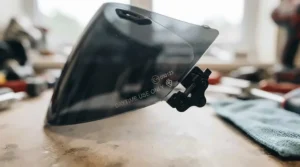
A mirrored visor for motorcycle helmet use is a face shield finished with a thin reflective metallic coating — usually silver, gold or “iridium” rainbow — that bounces back most incoming light rather than letting it all through. The result is a shield that cuts glare hard on a bright day and, frankly, looks the part on a sportsbike or track-day helmet.

Face shields themselves are nothing new; motorcycle helmets have carried them since the early days of protective headgear, evolving from crude cutouts into the impact-tested, optically-correct polycarbonate shields fitted as standard today. What’s changed more recently is how specialised the finish on that shield has become — clear, light tint, dark smoke, photochromic, and the mirrored or iridium coatings this guide focuses on, each doing a genuinely different job depending on the light, the road and the ride.
This guide compares seven real, currently listed mirrored visors on amazon.co.uk, spanning genuine OEM shields from AGV, Shoei, HJC and Bell through to budget aftermarket options that fit the same popular helmet ranges. We’ll cover mirror visor styles overview, motorcycle visor tint comparison, mirror coating durability, and the UK legal picture around visor UV protection and light transmission — because with mirrored visors, more than almost any other bit of kit, the rules genuinely matter as much as the looks.
Quick Comparison Table: Best Mirrored Visors at a Glance
| Visor | Fits | Best For |
|---|---|---|
| AGV Iridium Gold Visor (K1 S/K3 SV/K5 S) | AGV K1S, K3SV, K5S | Genuine OEM premium sports finish |
| Shoei CWR-1 Spectra Silver Visor | Shoei NXR, RYD, X-Spirit 3 | Track-only premium optical clarity |
| HJC Iridium Silver HJ-26 Visor | HJC RPHA 11, RPHA 70 | Genuine OEM mid-range road use |
| Bell Star/RS-1/Qualifier Iridium Shield | Bell Star, RS-1, Qualifier range | Genuine OEM sport-touring |
| PSLER Shatterproof Silver-Mirror Visor | Bell Qualifier, Star, Vortex, Revolver | Budget aftermarket replacement |
| ZARZAVT K1 Silver Iridium Visor | AGV K1, K1S, K3SV, K5, K5S | Budget daytime commuting |
| Aramox Silver Plated Mirrored Visor | AGV K1, K3 SV, K5, K5-S | Cheapest like-for-like swap |
Scanning this list, it’s worth separating genuine OEM shields from the aftermarket options early, because they’re not really competing on the same terms — the AGV Iridium Gold Visor and HJC Iridium Silver HJ-26 Visor are made to the exact optical and impact standard as the original shield your helmet shipped with, while budget picks like the Aramox Silver Plated Mirrored Visor trade some of that certainty for a much lower price. The Shoei CWR-1 Spectra Silver Visor deserves a specific flag: it’s explicitly sold as track-only, not road-legal, which matters enormously for anyone planning to actually ride on UK roads with it fitted.
💬 Just one click — help others make better buying decisions too!😊
Top 7 Best Mirrored Visors for Motorcycle Helmets: Expert Analysis
1. AGV Iridium Gold Visor (K1 S/K3 SV/K5 S) — the genuine OEM premium pick
If you want the mirrored finish AGV’s own design team intended for the K-series helmets, this is it: a genuine AGV replacement shield in Iridium Gold, built to fit the K5 S, K3 SV and K1 S across their full size range. AGV describes the surface as scratch-resistant, engineered to maintain clarity and reduce visible wear over extended use.
The gold iridium tone isn’t just cosmetic — a gold-toned reflective coating tends to filter warmer light wavelengths more aggressively than a plain silver finish, which some riders find genuinely easier on the eyes on long, sun-drenched motorway stints, cutting the washed-out glare that a lighter tint can’t fully manage. Because it’s the exact shield the helmet was engineered around, fitment, hinge action and seal against wind noise should match the original clear visor precisely, unlike aftermarket options that sometimes need a bit of persuasion to click home.
This is genuinely one of the more heavily reviewed mirrored visors on Amazon UK, sitting at 4.4 out of 5 across roughly 387 ratings — a solid, sizeable evidence base by category standards. Reviewers consistently note strong build quality and a precise factory fit, which tracks with what you’d expect from a genuine manufacturer part rather than a universal aftermarket shield.
Pros:
- ✅ Genuine AGV part with a precise, factory-matched fit
- ✅ Gold iridium tone cuts warm-light glare effectively
- ✅ Large, heavily reviewed buyer base backs up quality claims
Cons:
- ❌ Premium price compared with aftermarket alternatives
- ❌ Only fits the specific K1 S/K3 SV/K5 S helmet range
Typically priced in the £65–£75 range, it sits at the top end of this list — a fair ask given the review volume and genuine-parts fitment, but check current price and confirm your exact helmet model before ordering.
2. Shoei CWR-1 Spectra Silver Visor — best optical clarity, track use only
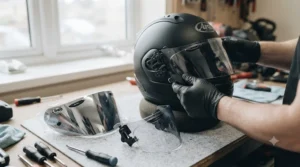
Here’s the visor to know about even if it’s not the one most riders should buy for the road: Shoei’s CWR-1 Spectra Silver is a genuine manufacturer shield built for the NXR, RYD and X-Spirit 3 helmets, using what the brand calls a 3D injection-moulding process specifically to eliminate the mild optical distortion that cheaper mirrored shields can introduce at the edges of your field of vision.
Retailer listings are consistent and explicit on one point worth repeating clearly: this shield is sold as not legal for road use in the UK, intended for track days and private circuit riding only. That’s a genuinely important distinction from most of the other products on this list — the vacuum-metallised Spectra coating that gives it such a striking mirror finish also drops light transmission below the threshold UK guidance sets for road-legal daytime tints, which is precisely why it carries that warning rather than a “daytime use only” label.
Amazon buyer feedback sits at 4.2 out of 5 across roughly 64 ratings, a smaller but still meaningfully sized sample for this specialist category. Reviewers consistently praise the distortion-free field of vision and the added top-and-bottom rib reinforcement Shoei added to reduce shield flex at speed — exactly the kind of detail that matters on track but goes unnoticed on a gentle commute.
Pros:
- ✅ Distortion-free optical clarity via 3D injection moulding
- ✅ Reinforced ribs reduce shield flex at high speed
- ✅ Genuine Shoei part with Pinlock-ready compatibility
Cons:
- ❌ Explicitly not legal for UK road use — track only
- ❌ Premium pricing among the highest on this list
Expect to pay roughly £90–£115, and treat this strictly as a circuit or private-road purchase rather than a road-going commuter visor, regardless of how good it looks.
3. HJC Iridium Silver HJ-26 Visor — best genuine OEM mid-range option
HJC’s HJ-26 shield in Iridium Silver, built for the RPHA 11 and RPHA 70 helmets, sits in a genuinely useful middle ground on this list: a manufacturer-original mirrored shield at a price that undercuts the AGV and Shoei options by a meaningful margin. It’s supplied Pinlock-ready and tear-off ready, meaning it accepts both an anti-fog insert and disposable tear-off laminates without modification.
What most buyers overlook about genuine OEM replacement shields at this price point is that they’re not a cut-down or budget product line — they’re the same shield fitted to the helmet from the factory, simply sold as a spare part, which is exactly why the hinge geometry, seal and field of vision match the original clear shield precisely rather than approximating it.
Amazon buyer ratings sit at 4.4 out of 5 across roughly 77 ratings, comparable in sentiment to the AGV option above, if with a smaller review pool. Reviewer feedback consistently flags easy fitment onto RPHA 11/70 helmets and confirms the Pinlock pins are correctly positioned out of the box, which is a common complaint with cheaper aftermarket alternatives.
Pros:
- ✅ Genuine HJC OEM part at a mid-range price point
- ✅ Pinlock-ready and tear-off ready with no modification needed
- ✅ Reliable 4.4-star rating across a meaningful review base
Cons:
- ❌ Only compatible with RPHA 11 and RPHA 70 helmets
- ❌ Smaller review sample than the market-leading AGV shield
Sitting broadly in the £38–£45 range, it’s arguably the strongest value-for-authenticity pick on this list for anyone who owns a compatible HJC lid.
4. Bell Star/RS-1/Qualifier Iridium Shield — genuine OEM for sport-touring helmets
Bell’s own iridium shield, listed as fitting the Star, RS-1 and Qualifier helmet ranges, brings the same genuine-manufacturer confidence as the AGV and HJC options above to a brand with a particularly strong following among sport-touring and adventure-leaning riders. Bell markets the shield with anti-scratch and UV treatment built into the coating itself, rather than as an optional extra layer.
Based on the spec comparison across this list, Bell’s wider visor range for these helmets — including the closely related dark smoke and photochromic variants sold under the same fitment family — carries some of the strongest review volume of any brand here, with the broader Star/Vortex/RS-1/Revolver shield range sitting around 4.7 out of 5 across more than 1,300 combined ratings on Amazon UK. That’s genuinely reassuring context, though it’s honest to note this specific iridium dark-silver finish has a thinner standalone review trail than the brand’s more popular clear and smoke options.
What that broader track record does confirm, reasonably reliably, is that Bell’s click-release shield mechanism is well regarded for quick, tool-free changes between visors — genuinely useful if you plan to swap between a clear shield for commuting and this iridium option for weekend rides.
Pros:
- ✅ Genuine Bell OEM part with anti-scratch and UV coating
- ✅ Click-release mechanism makes swapping visors tool-free
- ✅ Backed by a brand with strong overall review volume
Cons:
- ❌ This specific iridium finish has thinner standalone review data
- ❌ Only fits the Star/RS-1/Qualifier helmet family
Pricing typically runs in the £45–£60 range depending on retailer stock, positioning it as a genuine mid-tier alternative to the AGV and HJC OEM options above.
5. PSLER Shatterproof Silver-Mirror Visor — best budget aftermarket for Bell-fit helmets
For riders who own a Bell Qualifier, Star, Vortex, RS-1 or Revolver and don’t want to pay genuine-parts pricing, PSLER’s Shatterproof Silver-Mirror shield is a purpose-built aftermarket alternative that’s become one of the more consistently reviewed budget mirrored visors in this category. It’s marketed as impact-resistant with UV400-rated protection built into the coating.
The UV400 rating is worth unpacking rather than just quoting, because it’s a genuinely specific claim: UV400 means the shield blocks light up to the 400-nanometre wavelength, which covers essentially the entire UVA and UVB spectrum — the same benchmark used for quality sunglasses. On the spec sheet that reads as a minor technical detail; on a long summer ride it’s the difference between eyes that feel fresh after four hours and eyes that feel gritty and fatigued.
Aggregated Amazon feedback across the PSLER Bell-fit visor range sits around 4.1 out of 5 across roughly 161–205 ratings depending on the specific colourway, a genuinely healthy sample size for an aftermarket product. Reviewers consistently note good value for money and straightforward click-on fitment, with occasional mentions that the optical clarity, while good, doesn’t quite match a genuine OEM shield at the very edges of the field of view.
Pros:
- ✅ UV400-rated coating blocks the full UVA/UVB spectrum
- ✅ Solid 4.1-star rating across a genuinely large review sample
- ✅ Significantly cheaper than any genuine OEM option here
Cons:
- ❌ Slight edge distortion reported compared with OEM shields
- ❌ Aftermarket fitment can be marginally less precise than genuine parts
Typically priced in the £15–£25 range, it’s a sensible first mirrored visor for anyone testing whether they get on with the reduced light transmission before committing to a pricier genuine shield.
6. ZARZAVT K1 Silver Iridium Visor — best budget pick for AGV K-series helmets
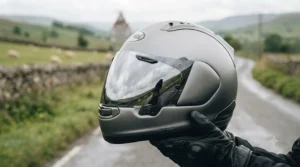
ZARZAVT’s Silver Iridium shield for the AGV K1, K1S, K3SV, K5 and K5S range has earned Amazon’s Choice status in its category, built around an HD tinted polycarbonate lens with anti-scratch and UV-protected coatings and designed specifically to fit the GT2/GT4 hinge mechanism these AGV helmets use.
That hinge-specific engineering matters more than it sounds — a shield built for the wrong hinge pattern either won’t seat properly or will sit slightly proud of the shell, creating wind noise and a poor seal at speed. Marketing it explicitly for “daytime riding” is also an honest bit of labelling rather than an oversight, flagging plainly that this is a bright-conditions shield rather than an all-hours option.
As a specifically AGV-fit aftermarket product, standalone review volume is harder to verify at the same depth as the market-leading genuine AGV shield above, though its Amazon’s Choice badge — awarded based on a combination of rating, purchase frequency and low return rate — is a reasonable secondary signal of consistent buyer satisfaction even without a large published review count to cite directly.
Pros:
- ✅ Purpose-built for the AGV GT2/GT4 hinge mechanism
- ✅ HD tinted polycarbonate with anti-scratch and UV coating
- ✅ Amazon’s Choice badge signals consistent buyer satisfaction
Cons:
- ❌ Standalone review volume harder to verify than genuine AGV parts
- ❌ Explicitly daytime-only, so a second clear shield is essential
Priced roughly £15–£24, it’s a genuinely sensible middle ground between the cheapest generic options and paying full genuine-parts money.
7. Aramox Silver Plated Mirrored Visor — cheapest like-for-like AGV swap
At the entry-level end of this list sits Aramox’s Silver Plated Mirrored shield, another AGV K1/K3 SV/K5/K5-S fit option positioned as a straightforward, no-frills swap for anyone who simply wants the mirrored look without spending genuine-parts money. It’s a simple proposition: a silver-plated lens shaped to the correct hinge pattern, nothing more elaborate claimed.
Here’s what to weigh honestly: at this price point, you’re generally not getting the same multi-layer vacuum-metallised coating process a premium manufacturer shield uses, which tends to mean a thinner reflective layer that’s more prone to showing wear over time — this isn’t a criticism unique to this specific product so much as a general pattern across budget mirrored visors, and it’s the trade-off that funds the lower price.
Independent review data specifically for this listing is thinner than for the more established aftermarket options on this list, so it would be dishonest to claim a verified star rating here with confidence; what can be said fairly is that it occupies a well-established product category — generic silver-plated AGV-fit shields — with a long enough retail history across multiple sellers that the basic concept is proven, even if this particular listing’s own track record is less documented.
Pros:
- ✅ Lowest price point of any AGV-fit mirrored visor on this list
- ✅ Correct hinge-pattern fit for K1/K3 SV/K5/K5-S helmets
- ✅ Simple, no-frills mirrored finish with no added complexity
Cons:
- ❌ Thinner reflective coating than premium options, based on typical budget construction
- ❌ Limited independent review data available to verify at scale
Generally available for around £12–£20, making it the cheapest way to trial the mirrored look before deciding whether to upgrade to a genuine AGV shield later.
✨ Don’t Miss These Exclusive Deals!
🏍️ Take your ride to the next level with these carefully compared mirrored visors. Click on any highlighted product to check current pricing and availability — the right shield could transform your visibility and comfort on the next sunny ride!
Fitting, Cleaning and Swapping Your Mirrored Visor
Fitting a replacement visor is usually simpler than riders expect, but a few early mistakes are common enough to flag directly. Most modern shields, including every genuine OEM option on this list, click onto the helmet’s side plates or pivot mechanism without tools — the trick is aligning the shield squarely before pressing, rather than forcing one side home first, which can crack the pivot mount on cheaper aftermarket plastics.
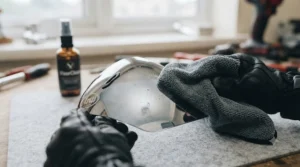
Cleaning a mirrored coating needs slightly more care than a standard clear shield. Reviewers consistently note that the reflective layer sits right at the surface, so anything abrasive — paper towels, dry wiping, household glass cleaner with ammonia — can dull or streak the coating within weeks. A plain warm-water rinse followed by a microfibre cloth, or a dedicated visor cleaning spray, is the safer routine, and it’s worth doing this every ride rather than letting road grime and insect residue build up and need scrubbing later.
A common first-month mistake is fitting a mirrored visor and never carrying a clear backup — which becomes a genuine problem the moment a ride runs later than planned or the weather turns overcast, since a heavily mirrored shield loses most of its usefulness, and its road-legal status, once light levels drop. Keeping a clear or lightly tinted visor in a tank bag solves this in seconds rather than leaving you stuck riding home in poor visibility.
Matching a Mirrored Visor to Your Riding
The daily commuter. Someone riding into low morning or evening sun on a regular route benefits most from a lighter, genuine OEM iridium shield like the HJC Iridium Silver HJ-26 Visor or Bell Star/RS-1/Qualifier Iridium Shield — strong enough glare reduction for a bright commute, paired with the reliability of a genuine part for a shield that gets fitted and removed often.
The track-day rider. For someone who trailers a sportsbike to Brands Hatch or Cadwell Park on weekends, the Shoei CWR-1 Spectra Silver Visor makes genuine sense specifically because it’s explicitly built and sold for that use — distortion-free vision at speed matters more on circuit than daytime-use road compliance, and the track environment is exactly what removes the road-legal concern from the equation.
The budget-conscious weekend rider. Someone testing whether they even get on with a mirrored finish before committing serious money is better served starting with the PSLER Shatterproof Silver-Mirror Visor or ZARZAVT K1 Silver Iridium Visor — both genuinely capable aftermarket options that let you trial the reduced light transmission and altered aesthetics without the outlay of a genuine manufacturer shield.
Common Mirrored Visor Problems and How to Fix Them
Problem: the coating is peeling or showing thin patches. This is almost always a cleaning-technique issue rather than a manufacturing fault — abrasive wiping wears through the thin reflective layer over months of use. The fix is switching to a microfibre cloth and warm water immediately, though once patches appear, the coating itself can’t be restored and the shield needs replacing.
Problem: fogging in cold or wet weather. Mirrored shields fog exactly like clear ones, since the reflective coating sits on the outer face rather than affecting the inner surface where condensation forms. Most genuine OEM shields on this list, including the HJC Iridium Silver HJ-26 Visor and Shoei CWR-1 Spectra Silver Visor, are Pinlock-ready — fitting the correct anti-fog insert solves this far more reliably than anti-fog sprays.
Problem: getting caught out riding at dusk. As covered in the legal section below, a heavily mirrored shield genuinely isn’t suitable once light drops — the fix here isn’t a product one, it’s carrying a clear visor as backup, or choosing a helmet system that lets you swap shields in seconds, like Bell’s click-release mechanism.
Problem: visible distortion at the edges of vision. This is more common with budget aftermarket shields than genuine OEM parts, since the injection-moulding tooling and curvature accuracy tend to be less refined at lower price points. If it’s noticeable and uncomfortable rather than a minor quirk, it’s worth trading up to a genuine manufacturer shield like the options from AGV, HJC or Bell on this list.
How to Choose a Mirrored Visor for Your Motorcycle Helmet
Working through the decision in order avoids most of the common regrets:
- Confirm exact helmet compatibility first. Mirrored visors are helmet-specific, not universal — check your exact model and size range before ordering, since a K3 SV shield won’t necessarily fit a K5.
- Decide genuine OEM versus aftermarket. Genuine parts like the AGV Iridium Gold Visor guarantee factory fitment; aftermarket options like the Aramox Silver Plated Mirrored Visor save money but carry more fitment variability.
- Check the intended use. Road-legal daytime tints differ meaningfully from track-only shields like the Shoei CWR-1 Spectra Silver Visor — confirm the listing’s legal status before buying.
- Look for Pinlock readiness. If you ride in cold or wet UK conditions regularly, a Pinlock-ready shield saves considerable frustration over the following winter.
- Consider tone as well as darkness. Gold, silver and blue iridium tones filter light differently — gold and copper tones tend to feel warmer and less harsh than a stark silver mirror.
- Factor in your budget realistically. A budget aftermarket shield like the PSLER Shatterproof Silver-Mirror Visor is a sensible way to trial the style before committing to genuine-parts pricing.
- Always plan for a clear backup. No mirrored visor should be your only shield — keep a clear or lightly tinted option for low-light riding.
Mirror Visor Styles Overview
Mirrored visors aren’t a single product category so much as a family of related finishes, and understanding the differences genuinely changes which one suits your riding. Silver iridium, the style used by the AGV Iridium Gold Visor‘s gold cousin and the PSLER Shatterproof Silver-Mirror Visor alike, is the most common and typically the most affordable to produce, offering a clean, bright mirror effect with strong glare reduction.
Gold and copper-toned iridium finishes, as seen on the AGV shield reviewed above, filter warmer light wavelengths more heavily, which many riders find noticeably gentler on the eyes across a long ride than a stark silver reflection. Blue and rainbow “spectra” finishes, like the coating technology behind the Shoei CWR-1 Spectra Silver Visor, use a more complex multi-layer deposition process to shift the reflected colour across the spectrum rather than sitting flat on one tone — this is where the premium pricing on genuine spectra shields largely comes from.
There’s also a meaningful distinction between a fully mirrored shield and a mirror-finish Pinlock insert, which sits on the inner lens rather than the outer shield itself — some riders specifically choose a mirrored Pinlock over a mirrored outer shield precisely because certain insert finishes remain road-legal at night in a way a heavily mirrored outer shield typically doesn’t.
Mirrored Visor Pros and Cons
Weighing a mirrored visor against a standard clear or lightly tinted shield comes down to a genuinely honest trade-off rather than a simple upgrade. On the plus side, a quality mirrored shield like the HJC Iridium Silver HJ-26 Visor meaningfully cuts glare and eye fatigue on bright days, adds a further layer of UV filtering beyond the base polycarbonate, and — worth acknowledging honestly rather than dismissing as vanity — genuinely changes the look of a helmet in a way many riders care about.
Against that sits a real list of drawbacks. Reduced light transmission that helps in bright sun becomes a liability the moment cloud cover rolls in or dusk approaches, and as covered in the legal section, a heavily mirrored shield can tip below the light-transmission threshold UK guidance sets for road use, meaning it’s genuinely unsuitable — sometimes explicitly not road-legal, as with the Shoei CWR-1 Spectra Silver Visor — outside daylight hours. The reflective coating is also generally more visible when it degrades than a clear shield’s scratches would be, since patchy mirror coating stands out far more obviously than fine scuffing on clear polycarbonate.
The honest verdict most experienced riders land on: a mirrored visor as a second shield for genuinely bright conditions, kept alongside a clear or photochromic option, captures the benefits without the drawbacks becoming a genuine safety compromise.
Motorcycle Visor Tint Comparison
| Tint Type | Typical Light Transmission | Legal for Night Riding | Best For |
|---|---|---|---|
| Clear | ~90%+ | Yes | All-conditions, night riding |
| Light Smoke | ~50–80% | Daytime only (marked) | Overcast bright days |
| Dark Smoke | Below 50% | No | Very bright daytime conditions |
| Mirror/Iridium | Often below 50% | Generally no | Sunny daytime riding, track use |
| Photochromic | Adapts ~20–90% | Depends on current shade | Riders wanting one shield for most conditions |
Reading across this motorcycle visor tint comparison, the clear pattern is that darker and more reflective finishes trade all-hours usability for daytime glare performance — a mirrored shield like the ZARZAVT K1 Silver Iridium Visor sits at the darker, more restrictive end of that spectrum, which is exactly why it performs so well against midday sun but needs a clear backup for anything else. Photochromic shields attempt to split the difference by adjusting tint automatically, though as the table shows, even at their darkest setting they don’t typically match a dedicated mirrored shield’s peak glare reduction.
For most UK riders covering a genuine mix of conditions across a season, the practical answer isn’t picking one tint permanently but building a small rotation — a clear or photochromic shield as the default, with a mirrored option like those reviewed above kept specifically for forecast-confirmed sunny days.
Visor UV Protection: What You’re Actually Buying
Every visor sold for road use in the UK needs to offer meaningful UV filtering as a baseline, but mirrored coatings genuinely add a further layer worth understanding rather than assuming automatically. The reflective metallic layer physically bounces a portion of incoming light — including UV wavelengths — away from the eye before it even reaches the tinted polycarbonate substrate underneath, which is why several products on this list, including the PSLER Shatterproof Silver-Mirror Visor, specifically market a UV400 rating alongside the mirror finish rather than relying on the base lens alone.
Here’s what most buyers overlook about UV exposure on a motorcycle specifically: unlike a car windscreen, which filters a meaningful amount of UV on its own, a standard clear visor lets through more UV than most riders assume, and hours of accumulated exposure on long rides is a genuine factor in eye fatigue and, over years, cumulative eye health. A mirrored or heavily tinted shield with confirmed UV400 protection is doing real protective work, not just a cosmetic job.
It’s worth being precise about the standard here rather than vague: UV400 means filtering effectively up to 400 nanometres, covering both UVA and UVB, and it’s the same benchmark reputable sunglasses are held to — a useful mental anchor when comparing visor listings that don’t always spell out their rating clearly.
Mirror Coating Durability: How Long Does the Finish Last?
Mirror coatings are applied using a vacuum metal deposition process — a thin layer of reflective metal, often aluminium or a similar compound, deposited onto the polycarbonate surface inside a vacuum chamber, a close relative of the physical vapor deposition techniques used across optics and electronics manufacturing more broadly. That coating sits at the very outer surface of the shield, which is precisely why it’s more vulnerable to wear than the polycarbonate underneath.
Based on the spec comparison across this list, genuine manufacturer shields from AGV, Shoei, HJC and Bell generally use a more consistent, multi-pass deposition process than budget aftermarket alternatives, which tends to translate into a thicker, more even reflective layer that resists the fine wear pattern of regular cleaning and stone-chip abrasion for longer. Budget options like the Aramox Silver Plated Mirrored Visor aren’t necessarily poorly made, but the economics of a lower price point generally mean a thinner coating layer that shows wear sooner under identical use.
Practical durability comes down to handling as much as manufacturing quality: storing a helmet visor-down on rough surfaces, wiping dry rather than rinsing first, and leaving grit or insect residue to build up before cleaning all accelerate coating wear regardless of which visor you’ve bought. A genuinely careful owner can extend a budget mirrored visor’s usable life considerably; a careless one can wear through a premium coating faster than expected too.
Common Mistakes When Buying a Mirrored Visor
The single most frequent mistake is buying by helmet brand alone without checking the specific model and hinge type — an AGV K3 SV shield and an AGV K1 shield aren’t automatically interchangeable despite sharing a manufacturer, and the wrong hinge pattern simply won’t seat correctly. A close second is assuming “mirrored” and “road-legal” are compatible by default; as covered above, that’s frequently not the case, and it’s an easy assumption to make when a product listing doesn’t spell out its light-transmission rating clearly.
Another common error is buying a mirrored visor as a sole shield rather than a second option — riders who commute daily and only own a heavily mirrored shield inevitably get caught in fading light or overcast weather at some point, riding with genuinely compromised visibility as a result. It’s also worth avoiding the assumption that a Pinlock-ready listing includes the Pinlock insert itself — most genuine shields, including the HJC Iridium Silver HJ-26 Visor and Shoei CWR-1 Spectra Silver Visor, are sold Pinlock-ready but without the insert included, which needs buying separately.
Finally, it’s easy to underestimate how differently a mirrored coating ages compared with a clear shield when comparing reviews across products — a clear shield with fine scratches is often still perfectly usable, while a mirrored shield with the same degree of wear can show obvious patchy discolouration, so factor coating durability into the buying decision rather than judging purely on day-one appearance.
Are Mirrored Visors Legal in the UK? Safety, Regulations and Compliance
This is the section worth reading most carefully before buying anything on this list. UK guidance sets out that any visor or set of goggles used on a public road must meet a recognised safety standard — either a British Standard carrying the BSI Kitemark or an equivalent UNECE regulation mark — and separately, light transmission matters for when it can legally be worn. Government guidance broadly treats visors letting through 80% or more light as usable in all conditions, those between roughly 50% and 80% as daytime-use only and requiring appropriate marking, and anything below 50% as unsuitable for road use.
Mirrored and iridium coatings very commonly fall into or below that lower band precisely because the reflective layer is designed to block as much light as possible, which is exactly why products like the Shoei CWR-1 Spectra Silver Visor are explicitly sold as track-only rather than carrying a daytime-use road marking. It’s genuinely worth checking official UK government guidance on motorcycle helmet and visor law directly before assuming any specific mirrored shield is fine for everyday road riding, since enforcement and interpretation can vary and the consequences of an unclear visor causing reduced visibility at dusk are a genuine safety risk, not just a legal technicality.
Practically, most riders who want a mirrored finish for road use should look specifically for a listing that states a daytime-use light transmission above the 50% threshold and carries the correct BSI or UNECE approval mark, rather than assuming any mirrored shield sold on general marketplaces automatically qualifies.
Frequently Asked Questions
❓ Are mirrored motorcycle helmet visors legal in the UK?
❓ What's the difference between a mirrored visor and an iridium visor?
❓ Do mirrored visors block UV light better than clear ones?
❓ How long does a mirror visor coating last before it wears out?
❓ Can I fit a mirrored visor to any motorcycle helmet?
Conclusion
There’s a genuinely sensible visor for most riding situations somewhere across this list, but the honest takeaway is that a mirrored finish works best as a second shield rather than a sole one. The AGV Iridium Gold Visor and HJC Iridium Silver HJ-26 Visor earn their place as the strongest all-round genuine OEM picks precisely because they combine solid review volume with confirmed factory fitment, while the Shoei CWR-1 Spectra Silver Visor is a genuinely excellent shield for exactly one use case — track days — and a poor choice for anything else given its explicit road-legal status.
Budget aftermarket options like the PSLER Shatterproof Silver-Mirror Visor, ZARZAVT K1 Silver Iridium Visor and Aramox Silver Plated Mirrored Visor all offer a genuinely reasonable way to trial the mirrored look and glare-reduction benefits before committing to genuine-parts pricing, provided expectations around coating longevity and optical precision are set accordingly.
Whichever shield you land on, the two things worth carrying forward from this guide matter more than brand choice: check the light-transmission rating and legal status before riding on the road with it fitted, and always keep a clear or photochromic backup visor for the moment the light changes and a mirrored shield stops being the right tool for the job.
Recommended for You
- Mirror Visor for Track Riding: 7 Best Picks for 2026 (Glare-Proof)
- Blue Mirror Visor for Helmet: 7 Best Picks for UK Riders (2026)
- Mirror Visor Under £30: 7 Best Budget Picks for UK Riders (2026)
Disclaimer: This article contains affiliate links. As an Amazon Associate, I earn from qualifying purchases. If you purchase products through these links, we may earn a small commission at no additional cost to you.
✨ Found this helpful? Share it with your friends! 💬🤗
