In This Article
Here’s an uncomfortable truth about motorcycle helmets: the eye-wateringly expensive ones aren’t automatically the safest. A sport helmet under £250 can sit on a SHARP five-star podium right alongside lids costing twice as much, and if you’ve spent any time scrolling through forums at 11pm trying to decide between a fibreglass shell and “just getting the cheap one”, you’ll know how noisy that research rabbit hole gets. This guide cuts through it.
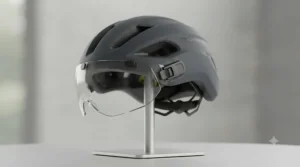
What is a sport helmet? In motorcycling terms, it’s a full-face lid built primarily for aerodynamics and stability at speed, with an aggressive shell shape, a large eyeport for track visibility, and (usually) a rear spoiler to reduce lift on faired and naked bikes alike. Sport helmets prioritise a slippery, tucked-in riding position over the plush, drop-everything comfort of a pure touring lid.
Below, we’ve dug into seven real, currently available sport helmets that all sit under £250, checked their independent SHARP safety data at SHARP, and weighed up where fibreglass shells genuinely earn their keep versus where a well-made polycarbonate lid does the job just as well for less. We’ve also looked hard at where premium fibreglass options like the Shoei NXR2 fit into the conversation, even though that particular helmet sits above this budget. Every price mentioned is a range rather than a fixed figure, because retailer pricing shifts constantly — always check current pricing before you buy.
Quick Comparison Table
Short on time? Here’s the fast version before we go deep on all seven.
| Helmet | Shell | SHARP Rating | Price Range | Best For |
|---|---|---|---|---|
| Caberg Drift Evo | Composite fibre | 4-star | £190-£230 | All-round sportsbike lid |
| LS2 FF323 Arrow | Fibreglass (HPFC) | 4-star | £180-£220 | Trackday value |
| HJC RPHA 70 | Fibreglass | 3-star | £220-£230 | Entry into a premium range |
| Shark D-Skwal 3 | Polycarbonate | 4-star (lineage) | £200-£215 | Sports-touring comfort |
| Bell Qualifier DLX MIPS | Polycarbonate | 3-star | £150-£210 | Rotational protection on a budget |
| Nolan N60-6 | Polycarbonate | 4-star (lineage) | £150-£190 | Race-replica styling for less |
| MT Targo S | Thermoplastic | 3-star (lineage) | £90-£125 | Tightest possible budget |
Looking at this spread, the pattern that jumps out is that shell material alone doesn’t dictate the SHARP score — the Bell Qualifier DLX MIPS and HJC RPHA 70 both landed lower star counts than cheaper polycarbonate rivals like the Shark D-Skwal 3, which is a useful reminder that a fibreglass badge isn’t a safety guarantee on its own. If your priority is outright value with genuine track pedigree, the LS2 FF323 Arrow punches well above its price bracket, while the MT Targo S exists purely to get a legal, ECE-certified lid on your head for the smallest possible outlay.
💬 Just one click — help others make better buying decisions too!😊
Top 7 Sport Helmets Under £250: Expert Analysis
1. Caberg Drift Evo — best all-round sportsbike shape for the money
The Caberg Drift Evo earns its spot at the top thanks to a genuinely track-inspired shell that doesn’t demand track-day money. Its composite fibre construction — a blend that Caberg build up from fibreglass, Kevlar and resin layers — brings the weight down to a competitive 1.35kg while keeping the shell rigid enough to hold its shape under load. Based on the spec comparison with rivals in this bracket, that weight figure sits comfortably below the SHARP-tested average of 1.48kg across all full-face helmets, which matters more than most riders realise on longer rides.
Reviewers consistently note that the double-D ring fastener and integrated sun visor make the Drift Evo feel more expensive than its price tag suggests, and the Pinlock-ready visor with a locking mechanism is a genuine track-day feature rarely seen this low down the price ladder. What most buyers overlook about this model is that Caberg offers a full carbon fibre version for barely more money, so if outright weight-saving matters to you, it’s worth checking that variant before committing to composite.
This is the pick for riders who want a sportsbike-shaped lid that doesn’t look or feel like a budget compromise, whether that’s for spirited road riding or the occasional trackday.
Pros:
- ✅ Composite fibre shell keeps weight below average
- ✅ Double-D ring fastener with Pinlock-ready visor included
- ✅ Integrated sun visor is rare at this price point
Cons:
- ❌ Tilting visor mechanism frustrates some daily commuters
- ❌ Single shell size below M limits fine-tuned fit
Priced around £190-£230 depending on colourway, the Caberg Drift Evo represents strong value for a genuinely sporty helmet with track-relevant features baked in.
2. LS2 FF323 Arrow — best for trackday value on a tight budget
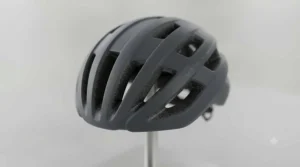
The LS2 FF323 Arrow was co-developed with Moto2 and MotoGP riders, and while marketing claims like that deserve healthy scepticism, the spec sheet backs it up here. Its High Performance Fiberglass Composite shell weighs a genuinely light 1.35kg in a medium size — matching the pricier Caberg above it — and comes in three outer shell sizes, which is unusually generous for a helmet in this bracket.
Here’s what to weigh up: the extra-tall, extra-wide eyeport genuinely improves peripheral vision when you’re tucked in behind a screen, and the visor’s crack-open venting position (via the central lock release) is a small but clever touch you don’t often see below £250. Reviewers consistently note the FF323 Arrow’s stability at speed and good build quality, though one recurring gripe is that the visor ratchet only has two positions rather than a smooth range, so fine-tuning airflow mid-ride takes some getting used to.
The FF323 Arrow is even FIM-approved in medium sizing for circuit racing, which tells you everything about how seriously LS2 built this budget-bracket helmet.
Pros:
- ✅ Fibreglass composite shell at just 1.35kg
- ✅ Three outer shell sizes for a genuinely tailored fit
- ✅ FIM-approved sizing option for circuit racing
Cons:
- ❌ Visor ratchet only has two crack-open positions
- ❌ Double-D ring fastener feels fiddly for quick removal
At around £180-£220, the LS2 FF323 Arrow is arguably the strongest pound-for-pound trackday proposition on this list.
3. HJC RPHA 70 — best entry point into a genuinely premium fibreglass range
The HJC RPHA 70 is the outgoing but still widely available fibreglass sibling of HJC’s flagship sport-touring family, and it’s the clearest example on this list of what “fibreglass sport helmet lightweight” actually means in practice. HJC’s fibreglass shell construction shaves noticeable weight over their polycarbonate range while adding rigidity, and the result is a helmet that feels genuinely premium in the hand despite sitting well under £250.
What most buyers overlook about this model is that it shares its shell DNA with HJC’s much pricier RPHA 71, just without the newer carbon-aramid blend and internal sun visor mechanism refinements. Reviewers consistently note that the RPHA 70’s ventilation and finish quality punch above its price, though the 3-star SHARP result is worth sitting with honestly — it’s a reminder that fibreglass construction alone doesn’t automatically translate into a top safety score, and buyers prioritising outright SHARP performance may prefer the Caberg or LS2 above.
If your priority is stepping into a proper sport-touring shell shape from a brand with serious MotoGP pedigree, without paying premium RPHA 71 money, this is the sensible route in.
Pros:
- ✅ Genuine fibreglass shell at a sub-£250 price
- ✅ Shares design language with HJC’s flagship range
- ✅ Double-D ring retention for secure, track-legal fastening
Cons:
- ❌ 3-star SHARP rating trails several cheaper rivals here
- ❌ No internal sun visor on this generation
At around £220-£230, the HJC RPHA 70 suits riders who want fibreglass construction and RPHA styling without RPHA 71 pricing.
4. Shark D-Skwal 3 — best for sports-touring comfort with a sun visor
Shark’s D-Skwal line takes the aggressive Skwal silhouette and strips out the LED lighting gimmick of the flashier i3 model, landing at a noticeably lower price while keeping the parts that actually matter for day-to-day riding. The polycarbonate shell uses Shark’s “Smart Fit” development process — built from 3D scans of a large sample of real heads — and reviewers consistently note that this translates into an unusually snug, well-balanced fit straight out of the box, without the “giant fishbowl” feeling some budget polycarbonate lids suffer from.
Here’s what to weigh up: this isn’t a fibreglass helmet, so it won’t match the outright rigidity of the Caberg or LS2 above, but the trade-off is a genuinely plush interior using five different fabric types for moisture-wicking comfort, plus an integrated drop-down sun visor operated by a simple crown-mounted slider. The quick-release visor system is one of the easier ones to use one-handed while riding, and a Pinlock insert ships in the box as standard.
For riders who value comfort and a proper sun visor over ultimate lightness, the D-Skwal 3 is a smart sports-touring alternative to the purer race-replica options here.
Pros:
- ✅ Integrated drop-down sun visor as standard
- ✅ 3D-scanned fit data delivers a genuinely snug shape
- ✅ Pinlock anti-fog insert included in the box
Cons:
- ❌ Polycarbonate shell trails fibreglass rivals on rigidity
- ❌ Ventilation controls are fiddly with gloved hands
Around £200-£215 gets you the Shark D-Skwal 3, a strong sports-touring pick when comfort features matter as much as outright track focus.
5. Bell Qualifier DLX MIPS — best for rotational impact protection on a budget
The Bell Qualifier DLX MIPS stands out here for one specific reason: it was one of the first budget-bracket helmets SHARP independently tested with a MIPS (Multi-directional Impact Protection System) liner fitted, bringing rotational-impact technology that’s typically reserved for pricier lids down into sub-£250 territory. Based on the spec comparison, that alone makes it worth a look for riders who’ve read up on rotational brain injury risk and want that layer of protection without stretching the budget.
Honest analysis here matters: the MIPS version scored the same 3-star SHARP result as the non-MIPS Qualifier DLX, which on the surface looks disappointing given the added technology. What the spec sheet won’t tell you, but SHARP’s own testing notes suggest, is that the single oblique-impact test SHARP runs may not fully capture what MIPS is designed to mitigate across a wider range of impact angles — so the star rating alone doesn’t tell the whole safety story here. Reviewers consistently flag the DLX as noisier than average, likely down to the vented shell design and thinner-than-average interior padding.
It also ships with a genuinely useful light-reactive Transitions visor as standard, which is a feature you’d usually pay considerably more to get elsewhere.
Pros:
- ✅ MIPS rotational protection rare at this price
- ✅ Transitions photochromic visor included as standard
- ✅ Three outer shell sizes for proportional fit
Cons:
- ❌ 3-star SHARP result despite the added MIPS layer
- ❌ Noticeably noisier than quieter rivals on this list
Priced from around £150 up to £210 depending on the MIPS and colourway option chosen, the Bell Qualifier DLX MIPS is worth serious consideration if rotational protection tops your priority list.
6. Nolan N60-6 — best race-replica styling without race-helmet pricing
If you like the idea of riding under Petrucci or Stoner-inspired graphics without paying premium-brand prices for the privilege, the Nolan N60-6 delivers exactly that. Its Lexan polycarbonate shell isn’t going to out-perform the fibreglass options above on outright rigidity, but Nolan’s polycarbonate helmets have an unusually consistent safety record — every one SHARP has independently tested from this Italian manufacturer has scored 4 stars, whether full-face or modular, though it’s worth noting SHARP hasn’t yet published independent results for this exact N60-6 generation, so that consistency is based on the wider Nolan polycarbonate lineage rather than this specific model.
What most buyers overlook here is the Airboost ventilation system, which distributes airflow more evenly through the shell than a simple chin-and-crown vent arrangement, plus an extra-wide visor that genuinely improves peripheral field of view. Reviewers consistently note the N60-6’s build quality feels a cut above other helmets at this price, with a quick-disconnect chin strap fastener rather than the fiddlier double-D ring some riders find awkward with winter gloves.
For everyday sporty road riding and weekend blasts where you want to look the part without the RRP that usually comes with it, this is a genuinely sensible pick.
Pros:
- ✅ Extra-wide visor improves peripheral vision
- ✅ Airboost ventilation spreads airflow evenly
- ✅ Consistent 4-star track record across Nolan’s polycarbonate range
Cons:
- ❌ Only two outer shell sizes available
- ❌ Quick-disconnect fastener feels less reassuring than double-D
Typically found in the £150-£190 range, the Nolan N60-6 is a smart budget-conscious way into race-replica sport styling.
7. MT Targo S — best for the absolute tightest sport helmet budget
Sometimes the honest answer to “what’s the best helmet under £250” is “you don’t need to spend anywhere near that much” — and the MT Targo S is the proof. This entry-level, sport-styled full-face helmet from the Spanish manufacturer delivers ECE 22.06 certification, a rapid-release anti-scratch visor, and a Max Vision Pinlock-ready shield at a genuine bargain-basement price. Reviewers consistently note it looks and feels like it’s worth considerably more than its actual cost, with a matt finish and contoured shell that doesn’t scream “budget” the way some sub-£100 helmets do.
Honest analysis: the outgoing MT Targo scored a respectable 3 stars in SHARP testing, and while the current Targo S generation hasn’t been independently published on SHARP at the time of writing, it shares the same thermoplastic shell philosophy and ECE 22.06 certification as its predecessor. What most buyers overlook about entry-level helmets like this is that a single shell size across a wide range of head sizes (up to XXL) means larger heads get a proportionally bulkier-looking lid — a minor cosmetic trade-off rather than a safety concern, but worth knowing before you buy.
This is the pick for a first helmet, an occasional pillion lid, or anyone who genuinely just wants a certified, comfortable helmet without spending anywhere near £250.
Pros:
- ✅ ECE 22.06 certified at a genuine bargain price
- ✅ Rapid-release visor mechanism is easy to master
- ✅ Removable, washable interior lining
Cons:
- ❌ Single shell size across all head sizes
- ❌ No drop-down sun visor included
At around £90-£125, the MT Targo S proves you can get a legal, comfortable sport-styled lid without going anywhere near this article’s £250 ceiling.
Your First 30 Days: Setup, Break-In and Maintenance
Getting a new sport helmet under £250 dialled in properly during the first month makes a genuine difference to comfort and longevity. Start by wearing it around the house for 20-30 minutes before your first ride — this lets you catch pressure points early while you can still return it, rather than discovering a hot spot 40 miles into a Sunday blast. Most cheek pads on helmets like the Caberg Drift Evo or LS2 FF323 Arrow will compress and soften slightly over the first few weeks of use, so a fit that feels snug-to-firm on day one often settles into “just right” by week three.
A common mistake in the first 30 days is over-tightening the retention system to compensate for a helmet that’s genuinely the wrong size — if you need the strap cinched uncomfortably tight to stop the helmet rocking, size down or try a different shell shape rather than fighting the fastener. Clean the visor with only water and a microfibre cloth during this period; household glass cleaners can degrade the anti-scratch and Pinlock-compatible coatings on helmets like the HJC RPHA 70 surprisingly quickly. Finally, fit any included Pinlock insert correctly from day one — a poorly seated insert (gaps at the edges) will fog just as badly as no insert at all, defeating the point of paying for a Pinlock-ready visor in the first place.
Real-World Scenarios: Which Sport Helmet Fits Your Riding
If you’re a university student commuting six miles into the city daily on a budget 125cc, the MT Targo S or Nolan N60-6 make more financial sense than a premium fibreglass shell — you’ll get certified protection and sporty looks without tying up cash better spent on fuel, insurance, or a decent chain and sprocket set. Budget matters as much as riding style here, and reviewers consistently note that both hold up well to daily short-hop use.
For the weekend trackday regular who takes their 600cc sportsbike to Cadwell or Brands Hatch a handful of times a season, the LS2 FF323 Arrow or Caberg Drift Evo earn their place through genuinely lighter fibreglass shells, ACU Gold-track-legal fastening systems, and eyeport shapes designed for a tucked riding position — features a touring-focused lid simply won’t prioritise in the same way.
If you’re commuting year-round through mixed weather on a naked or adventure-styled bike and want comfort plus a sun visor for that unpredictable British sun, the Shark D-Skwal 3 matches that use case closely, while riders who’ve specifically researched rotational impact protection and want it on a budget should look hard at the Bell Qualifier DLX MIPS.
How to Choose a Sport Helmet Under £250
Choosing the right sport helmet under £250 comes down to working through these criteria in order:
- Check the SHARP rating first, not the shell material. As this guide has shown, fibreglass doesn’t automatically outscore polycarbonate — verify the actual independent test result via BikeSocial’s helmet buying guide before assuming.
- Confirm ECE 22.06 certification. Since January 2024, this is the current UK standard, and it’s a materially tougher test than the outgoing 22.05.
- Try it on for at least 20 minutes before committing. Head shape (round, intermediate oval, or long oval) matters more to comfort than any spec on paper.
- Match the shell weight to your riding frequency. Occasional riders can live with a heavier polycarbonate lid; daily commuters and trackday regulars benefit more from lighter fibreglass.
- Decide if you need a sun visor or Pinlock insert included. Both add genuine value but aren’t universal across every model here.
- Factor in comms compatibility if you use an intercom. Most helmets on this list are pre-shaped for popular Bluetooth units, but check specific model compatibility first.
- Set your actual budget within the range, not just under the £250 ceiling. A £120 MT Targo S and a £230 HJC RPHA 70 both qualify as “under £250” but serve very different riders.
Sport Helmet Fibreglass vs Carbon: What Actually Matters
The fibreglass versus carbon debate gets more airtime than it deserves in helmet forums, so let’s separate genuine performance differences from marketing gloss. Fibreglass, sometimes called glass-reinforced plastic, is woven glass strands set in a resin matrix. It flexes and spreads impact energy effectively, resists cracking under stress, and — critically for this price bracket — costs considerably less to manufacture than carbon fibre. Carbon fibre shells, by contrast, shave meaningful weight (typically 100-150g on a comparable helmet) at a proportionally much higher price premium, often adding £150-£250 to the cost of an equivalent fibreglass model, as seen with the Caberg Drift Evo’s carbon version costing roughly £70-100 more than its composite sibling.
Here’s what to weigh up in practice: at a sub-£250 budget, you’re realistically choosing between well-executed polycarbonate (like the Shark D-Skwal 3 or Bell Qualifier DLX MIPS) and genuine fibreglass composite (like the Caberg Drift Evo or LS2 FF323 Arrow) — carbon simply isn’t available in this bracket without pushing well past £250. Reviewers consistently note that the weight difference between a good polycarbonate shell and a fibreglass one, while real, is often smaller in daily use than the marketing suggests; the SHARP-tested average across all full-face helmets sits at 1.48kg, and several polycarbonate helmets on this list land close to that figure regardless of material.
| Shell Material | Typical Weight | Typical Price Premium | Best Suited To |
|---|---|---|---|
| Polycarbonate | 1.45-1.60kg | Baseline | Budget-conscious, occasional riders |
| Fibreglass composite | 1.30-1.40kg | +£30-£80 vs polycarbonate | Daily riders, trackday regulars |
| Carbon fibre | 1.25-1.35kg | +£150-£250 vs fibreglass | Weight-obsessed, premium buyers |
The table above makes the value case clear: fibreglass delivers most of the weight-saving benefit of carbon at a fraction of the cost jump, which is exactly why it dominates this “under £250” bracket while genuine carbon shells remain largely out of reach here.
Common Mistakes When Buying a Sport Helmet Under £250
The single most common mistake is buying by brand reputation alone rather than checking the specific model’s SHARP result — a big name doesn’t guarantee every helmet in its range scores well, as the HJC RPHA 70’s 3-star result versus the cheaper LS2 FF323 Arrow’s 4-star result demonstrates clearly. A close second is skipping the try-on stage entirely when buying online; head shape variance between brands is significant enough that an “L” in one manufacturer’s range can fit completely differently to an “L” in another’s, and a helmet that doesn’t fit properly protects you less regardless of its rating.
Buyers also frequently underestimate ongoing costs — a Pinlock insert, replacement visor, or comms unit can add £30-£80 on top of the helmet’s own price, so factor that into your actual budget rather than treating £250 as a hard ceiling that includes nothing else. Finally, a genuinely common and costly mistake is buying secondhand to save money on a “premium” fibreglass shell; you can never verify a used helmet’s impact history, and even invisible shell damage compromises the EPS liner’s ability to protect you in a real crash.
Fibreglass Sport Helmets: Why Lightweight Shells Matter
Weight matters more than most new riders assume, and it’s worth being specific about why rather than just repeating “lighter is better.” A heavier helmet increases rotational inertia around your neck, meaning your neck muscles work harder to control head movement during acceleration, braking, and cornering — precisely the moments that define sport riding. Over a long ride, or repeated laps at a trackday, that extra strain compounds into genuine fatigue, and fatigue measurably slows reaction time.
Reviewers consistently note that riders who’ve switched from a heavier polycarbonate helmet to a fibreglass shell in a similar category — such as moving from the Bell Qualifier DLX MIPS to the LS2 FF323 Arrow — report a noticeably calmer feeling at speed, with less perceived buffeting on faired sportsbikes and naked bikes alike. What the spec sheet won’t tell you, but aerodynamicists studying helmet design note, is that a lighter shell also allows manufacturers to build a more compact overall profile without compromising EPS liner thickness, which is part of why fibreglass sport helmets often look sleeker than their polycarbonate counterparts even at similar price points.
Shoei Fibreglass Helmets and the Value-Performance Ceiling
No honest conversation about fibreglass sport helmets is complete without mentioning Shoei, and it would be misleading to pretend otherwise just because the brand’s helmets sit above this article’s £250 budget. The Shoei NXR2 — the fibreglass-based successor to Shoei’s sales-topping NXR — uses what Shoei calls AIM construction, a multi-composite blend of organic fibres and fibreglass, and it currently retails at around £400-£450 depending on colourway, which puts it firmly outside the “under £250” bracket this guide focuses on.
So why mention Shoei NXR fibreglass construction here at all? Because it’s the benchmark that helps explain what you’re trading away, and what you’re not, when you buy fibreglass at a lower price point. On paper, this means the NXR2’s shell construction technique is philosophically similar to what Caberg and LS2 are doing in their sub-£250 composite shells — glass fibre reinforcement in a resin matrix — but Shoei’s manufacturing tolerances, hand-finishing process, and five-year warranty reflect a genuinely different production standard that the price difference pays for. The NXR2 achieved a 5-star SHARP rating, and reviewers consistently praise its visor seal quality and emergency quick-release cheek pad system, features that trickle down conceptually but not always in execution to cheaper fibreglass helmets.
The honest verdict: if your budget genuinely caps at £250, the Caberg Drift Evo and LS2 FF323 Arrow deliver a meaningfully similar riding experience for a fraction of the outlay, and reviewers consistently note these budget fibreglass options hold their own on the road. But if you can stretch your saving by a few months, the Shoei NXR2 represents where fibreglass technology tops out at a genuinely accessible (if not budget) price within Shoei’s own range — worth knowing even if it’s not this month’s purchase.
Safety, Regulations and SHARP Ratings Explained
Every helmet legally sold for road use in the UK must meet either the older ECE 22.05 standard or the current ECE 22.06 standard, and since production of 22.05-certified helmets ceased, every genuinely new helmet you buy today should carry 22.06 certification — a noticeably tougher testing regime that includes oblique impact testing the older standard didn’t require. Beyond that legal minimum, SHARP’s full ratings database provides an independent, government-backed star rating from one to five stars, based on 32 impact tests run across seven helmets of each model purchased directly from UK retail outlets — which matters, because it means SHARP isn’t testing manufacturer-supplied samples that could be cherry-picked.
It’s worth being clear-eyed about what SHARP doesn’t cover too: participation and publication timing varies, meaning newer helmets like the current-generation Shark D-Skwal 3 or MT Targo S may not have independently published results yet even though their predecessor models scored well, which is why this guide has been explicit about which ratings apply to a direct model test versus a documented lineage. Separately, the ACU (Auto Cycle Union) awards Gold or Silver stickers to helmets approved for UK motorcycle sport and track use — a Gold sticker is typically required for road racing, while Silver covers off-road competition, and it’s not the same thing as a SHARP star rating, so check for both if track use is on your radar.
Long-Term Cost and Maintenance: The Real Value Picture
A sport helmet under £250 isn’t a one-off purchase if you ride regularly — factor in a genuine total cost of ownership rather than just the sticker price. Most manufacturers recommend replacing a helmet every five years regardless of visible damage, since EPS foam and shell resin degrade gradually from UV exposure, sweat, and temperature cycling, even without a crash. Spread across five years, a £220 HJC RPHA 70 works out to roughly £44 a year, while a £110 MT Targo S comes in under £25 a year — both genuinely reasonable, but worth knowing before you assume the pricier option is automatically the worse value.
Replacement visors typically run £20-£50, Pinlock inserts £10-£25, and a full interior lining replacement (where available) another £25-£40 — costs that apply regardless of which helmet you choose, so they shouldn’t swing your decision between models on this list. What genuinely does affect long-term value is how a helmet is stored and cleaned: leaving any helmet on a hot dashboard or in direct sunlight accelerates shell and EPS degradation regardless of whether it’s fibreglass or polycarbonate, so a simple helmet bag is a worthwhile few pounds spent to protect your investment either way.
Frequently Asked Questions
❓ Is a fibreglass helmet always safer than a polycarbonate one?
❓ What's the best value sport helmet under £250 for a beginner?
❓ How much should I budget beyond the helmet's price?
❓ Do I need an ACU Gold sticker for a sport helmet?
❓ Is the Shoei NXR2 worth the extra money over budget fibreglass options?
Conclusion
Choosing a sport helmet under £250 doesn’t mean compromising on genuine safety performance or sporty styling — as this comparison shows, several of the seven helmets here score just as well independently as helmets costing considerably more. The right pick genuinely depends on your specific priorities: the LS2 FF323 Arrow and Caberg Drift Evo for riders chasing the lightest, most track-relevant fibreglass shells; the Shark D-Skwal 3 for those who want comfort and a sun visor without sacrificing sporty looks; the Bell Qualifier DLX MIPS for anyone who’s specifically researched rotational impact protection; and the MT Targo S or Nolan N60-6 for riders who want a certified, genuinely sporty-looking lid without spending anywhere near the full £250.
Whichever you choose, don’t skip the fundamentals — verify current ECE 22.06 certification, check the specific model’s SHARP result rather than assuming by brand, and always try before you buy where possible. A £250 budget genuinely stretches a long way in this category today, and the honest verdict across all seven is that value and safety aren’t mutually exclusive here.
Recommended for You
- Fibreglass Sport Motorcycle Helmet UK: 7 Best Picks for 2026
- Fibreglass vs Polycarbonate Helmet: 7 Best Picks for 2026
- Fibreglass Motorcycle Helmet 2026: 7 Lids Worth Your Money
Disclaimer: This article contains affiliate links. As an Amazon Associate, I earn from qualifying purchases. If you purchase products through these links, we may earn a small commission at no additional cost to you.
✨ Found this helpful? Share it with your friends! 💬🤗
